In the world of construction, the design of structures plays a vital role in ensuring the safety, durability, and efficiency of a building. Among the many materials used in the construction industry, concrete and steel stand out as the primary choices for structural design. Whether constructing a residential building, a commercial complex, or an industrial facility, the structural design process determines the stability and longevity of the project. In this article, we will explore the design principles behind concrete and steel structures and how Integra, a leading engineering and design company, excels in these fields.
Understanding Concrete Structures
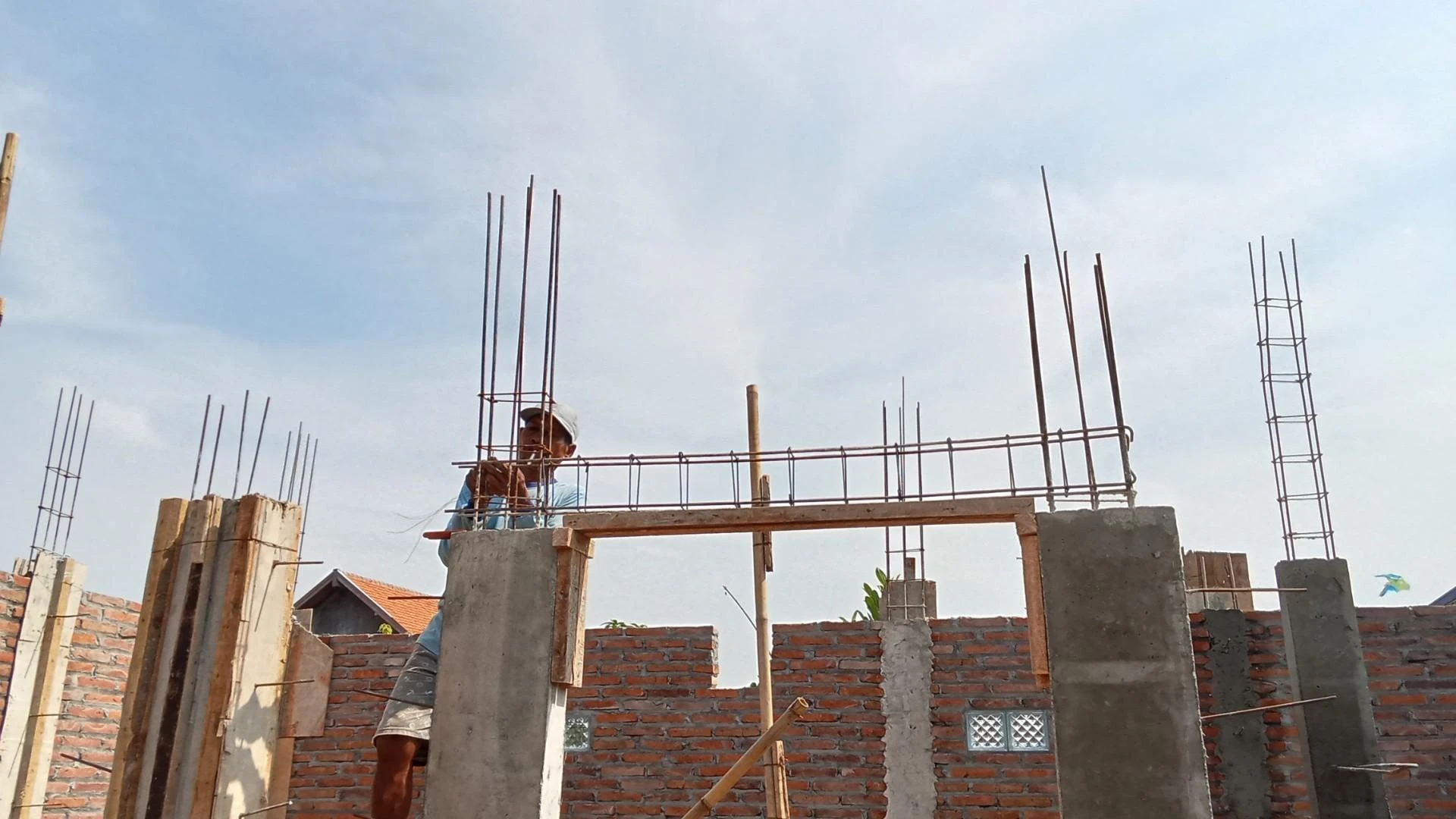
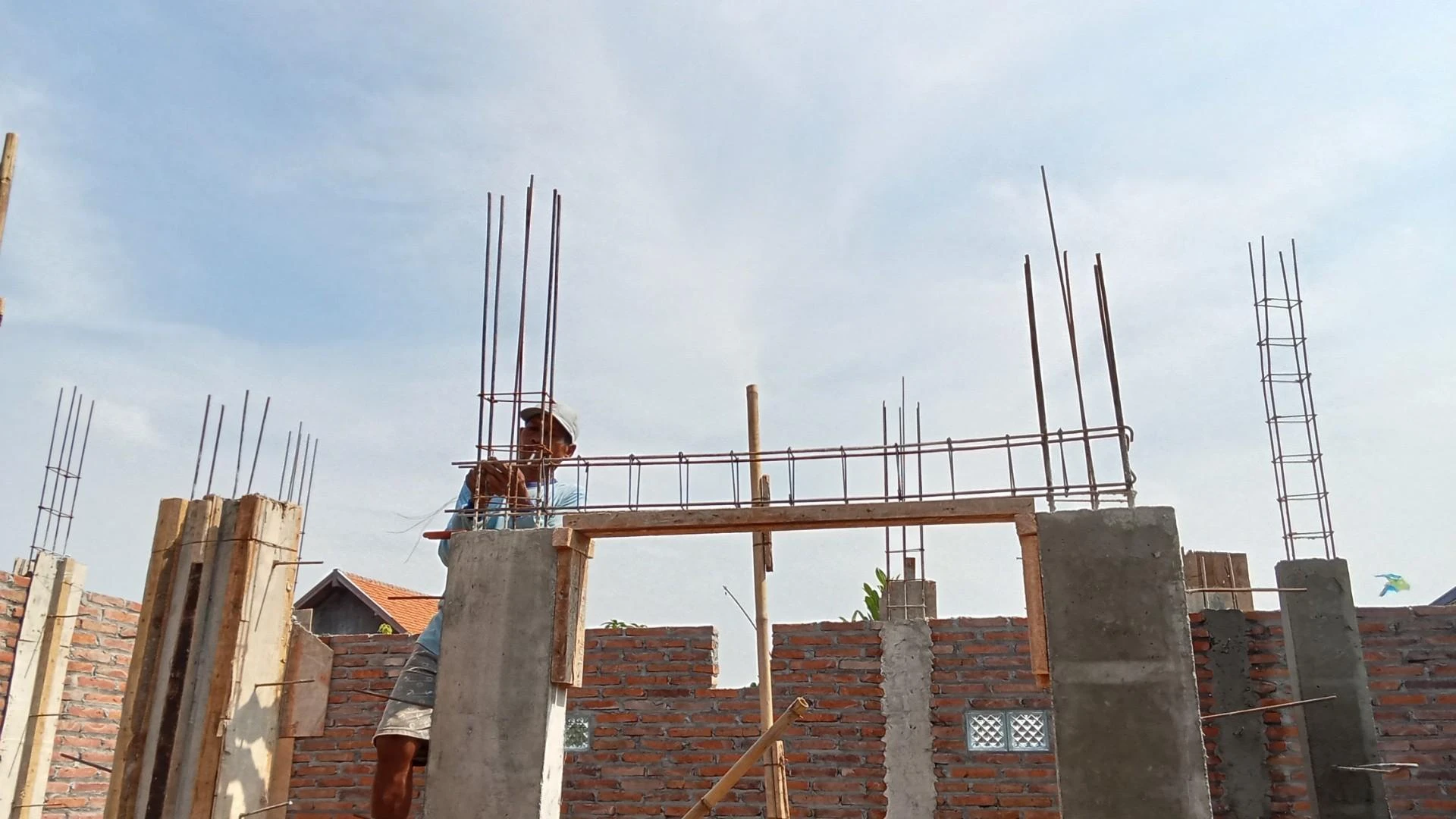
Concrete has been the backbone of construction for centuries. It is a versatile and durable material that can be molded into a variety of shapes, making it ideal for different types of structures. The Design of concrete structures focuses on the material's unique properties and its ability to withstand immense loads, resist weathering, and endure over long periods. The process of designing concrete structures requires an understanding of both material science and structural engineering.
Concrete structures are commonly used for foundations, slabs, beams, and columns, and their applications extend to bridges, dams, and even high-rise buildings. The design of concrete structures must consider factors such as:
- Load-Bearing Capacity: Concrete is known for its ability to bear heavy loads. The design process ensures that the structure can carry the weight it is intended to support without failing.
- Durability: Concrete must be designed to resist environmental factors such as moisture, temperature changes, and chemical exposure. Proper mix design and reinforcement techniques ensure that concrete structures last for decades without deterioration.
- Flexural Strength: Concrete is strong in compression but relatively weak in tension. Reinforcement with steel bars, also known as rebar, is necessary to give the concrete structure the ability to resist bending forces.
- Economy: While concrete structures are known for their durability, designing them efficiently is crucial for cost-effectiveness. The right mix of materials and reinforcement ensures a balance between strength and cost.
Integra excels in the design of concrete structures, providing clients with customized solutions that prioritize safety, longevity, and economic efficiency. By utilizing cutting-edge technology and adhering to international standards, Integra ensures that every concrete structure is designed to withstand the test of time.
The Role of Steel Structures in Modern Construction
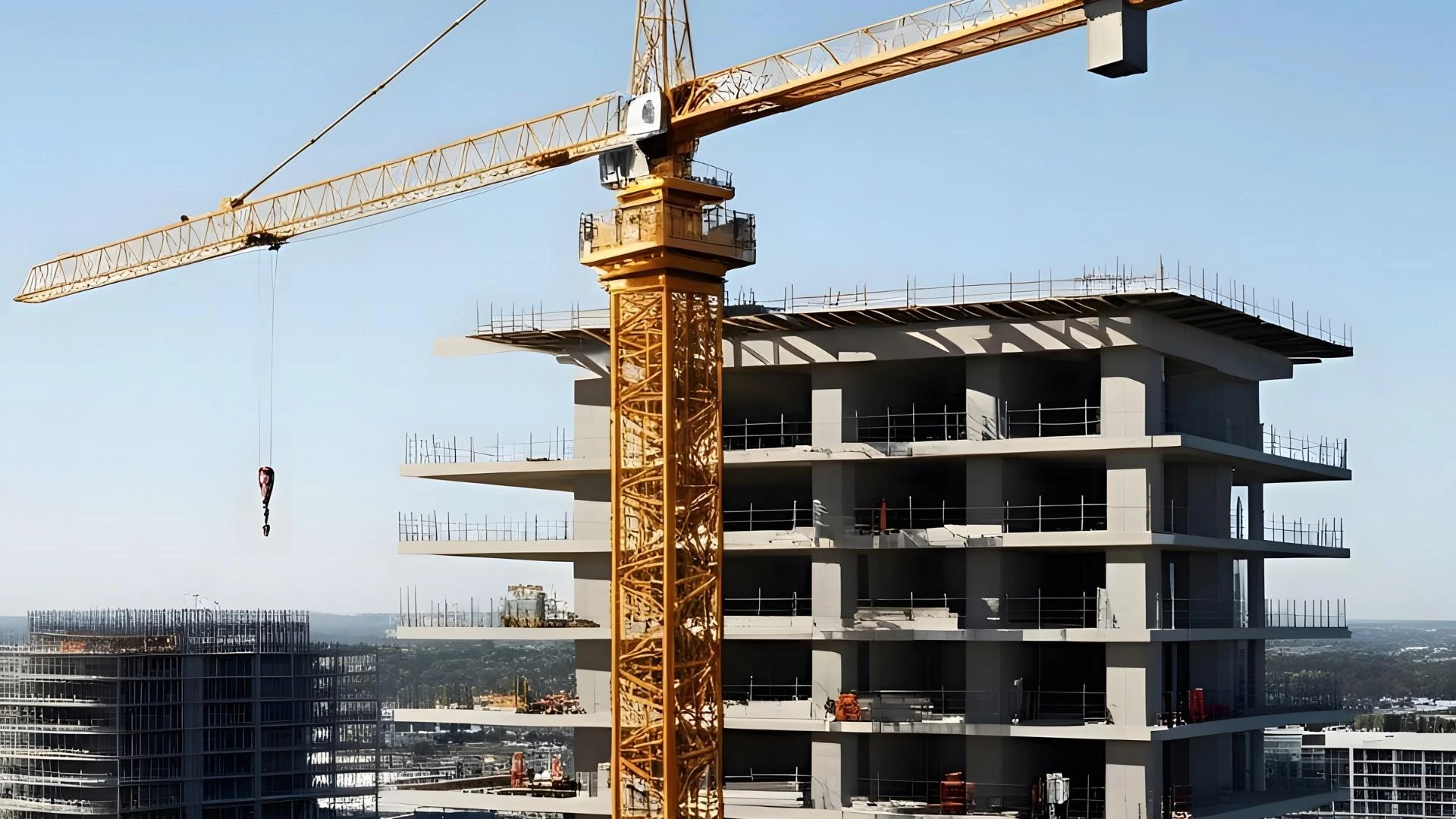
Steel structures are widely recognized for their strength, flexibility, and ease of construction. Steel has become a material of choice for high-rise buildings, bridges, and industrial facilities due to its superior load-bearing capacity and resilience. The design of steel structures involves analyzing various factors like material strength, load distribution, and environmental impact to ensure the structure's integrity and functionality.
Steel structures are composed of various components, including beams, columns, braces, and connections. One of the key benefits of using steel is its high tensile strength, allowing for the construction of tall buildings and bridges that would otherwise be impossible with other materials. Additionally, steel is highly flexible, which means that it can absorb energy during events such as earthquakes or strong winds, making it an excellent choice for structures in seismic zones.
Here are some key aspects involved in the design of steel structures:
- Structural Integrity: Steel is extremely strong in tension and compression, making it ideal for supporting heavy loads. Proper design ensures that the structure can withstand both vertical and lateral forces, such as wind or seismic loads.
- Versatility and Adaptability: Steel can be shaped and fabricated in a variety of ways, allowing for creative and flexible design. The material's adaptability makes it suitable for a wide range of architectural styles, from modern skyscrapers to traditional buildings.
- Speed of Construction: Steel structures are prefabricated in controlled environments, which speeds up the construction process. Once on-site, they can be assembled quickly, reducing labor costs and time on the project.
- Sustainability: Steel is a highly sustainable material due to its recyclability. Steel structures can be disassembled and reused, contributing to eco-friendly construction practices.
Integra is renowned for its expertise in the design of steel structures, helping clients achieve their goals by creating safe, functional, and aesthetically pleasing buildings. Through detailed planning and innovative engineering, Integra delivers steel structures that not only meet but exceed industry standards, offering robust solutions for a variety of construction needs.
Why Choose Integra for Your Structural Design Needs?
Integra's proficiency in the design of both concrete and steel structures sets the company apart in the engineering and construction industry. With a team of experienced professionals and state-of-the-art tools, Integra approaches every project with a deep understanding of material science and structural integrity.
- Comprehensive Services: Integra offers a full range of design services, from the initial concept phase to detailed construction drawings and site supervision. The company’s engineers ensure that the structure is optimized for safety, cost, and performance.
- Expert Engineering Team: Integra’s team includes structural engineers, architects, and material scientists who work collaboratively to create the best solutions for your project, whether it involves concrete or steel.
- Cutting-Edge Technology: Integra uses the latest design software and technologies, such as BIM (Building Information Modeling), to create accurate and efficient structural designs. This allows for better visualization and coordination across all project stages.
- Commitment to Sustainability: Integra is dedicated to using sustainable materials and designing energy-efficient structures. The company aims to reduce the environmental impact of construction projects by incorporating eco-friendly design principles.
- Timely Delivery and Cost-Effectiveness: Integra understands the importance of delivering projects on time and within budget. By efficiently managing resources and providing value-engineering solutions, Integra ensures that clients receive high-quality results without unnecessary delays or expenses.
The Benefits of Concrete Structures in Modern Architecture
The design of concrete structures has evolved to accommodate the needs of modern architecture. Concrete is now used not only for traditional buildings but also for innovative, futuristic designs. Its flexibility in shaping, combined with its durability, makes concrete ideal for everything from residential homes to massive infrastructure projects like tunnels, dams, and highways. The concrete design process takes into account modern building codes and cutting-edge reinforcement techniques to ensure the structures are as efficient and strong as possible.
- Strength and Resilience: Concrete structures can endure the heaviest of loads, making them ideal for buildings with large spans, such as bridges and multi-story skyscrapers.
- Aesthetic Flexibility: Concrete can be molded into various shapes, making it a versatile material for architects. It can be used to create visually striking designs that remain practical and durable.
- Fire and Weather Resistance: Concrete is highly resistant to fire, water, and other environmental factors. This makes it an excellent choice for structures in areas with extreme weather conditions.
Why Steel Structures Are Essential for Modern Construction
Steel has a prominent role in the design of modern buildings and structures. It offers unparalleled strength, flexibility, and adaptability, which makes it suitable for a wide range of applications. Steel structures can be used for everything from small residential buildings to massive industrial complexes, offering incredible load-bearing capacity while maintaining a relatively lightweight profile.
- Fast and Efficient Construction: Steel components are prefabricated in factories, which means they can be quickly assembled on-site, reducing construction time and labor costs.
- Design Freedom: Steel structures allow architects to experiment with unique designs, from vast open spaces in interior layouts to visually striking facades.
- Safety and Longevity: Steel’s strength allows it to withstand extreme forces such as earthquakes, strong winds, and heavy loads. Moreover, steel’s resistance to corrosion and rust makes it an ideal choice for structures that need to last for generations.
Conclusion
Both concrete and steel have their unique advantages, and their selection for a project largely depends on the design requirements, load-bearing needs, and environmental conditions. Whether you’re considering the design of concrete structures or steel structures, Integra provides the expertise to ensure that your project is built to last. With a commitment to innovation, sustainability, and efficiency, Integra is the go-to company for structural design in the modern construction world.
Choose Integra for your next project, and experience the perfect blend of safety, performance, and aesthetic value in concrete and steel structures.

























Sign in to leave a comment.