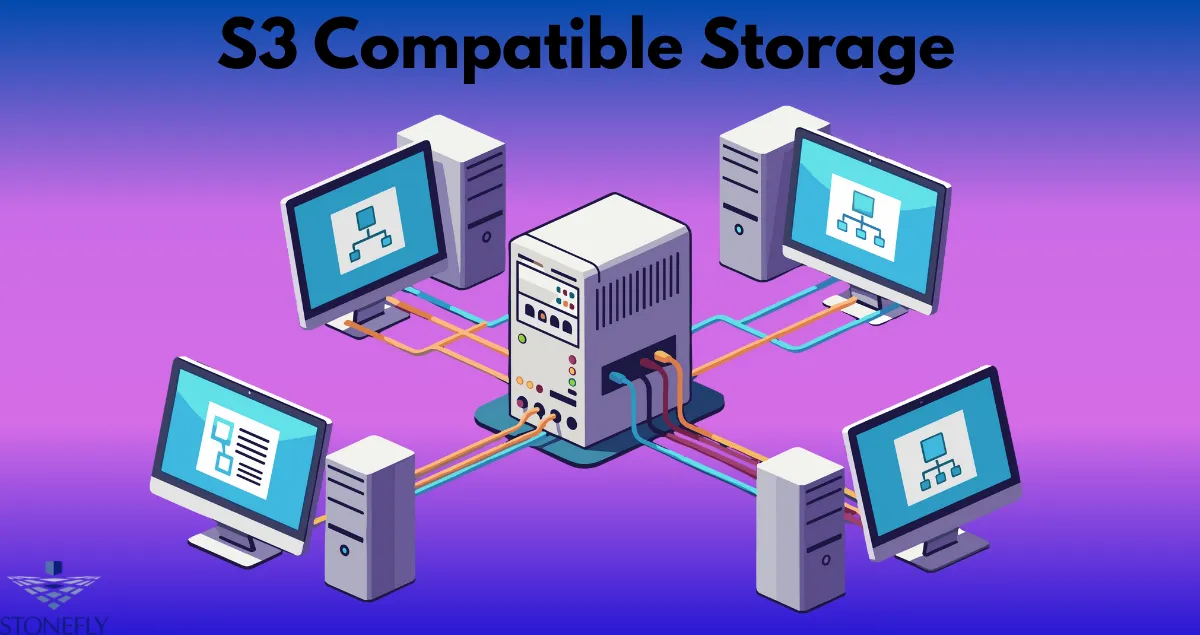

Designing a Future-Ready Data Platform for Enterprise Growth
As organizations continue to generate larger volumes of digital information, choosing the right storage architecture becomes a critical business decision. Modern applications require storage that is scalable, secure, and capable of handling billions of files without sacrificing performance. S3 Compatible Storage enables businesses to build flexible storage environments that support growing workloads while maintaining complete control over their infrastructure. With the right storage strategy, organizations can improve operational efficiency, strengthen data protection, and prepare for future expansion.
Why Modern Businesses Need Scalable Storage
Every department within an organization generates valuable data. Customer records, application files, multimedia assets, analytics, system logs, and business documents all contribute to rapidly increasing storage requirements.
Traditional storage environments often encounter problems such as:
- Limited expansion capabilities
- Complex administration
- Performance bottlenecks
- Higher maintenance costs
- Difficult long-term planning
A scalable storage architecture helps organizations overcome these challenges while supporting digital transformation initiatives.
Understanding Modern Storage Architecture
Modern object-based storage stores information as independent objects instead of traditional folders and directories.
Each object includes:
- Data content
- A unique identifier
- Metadata describing the object
This structure simplifies management while allowing organizations to store and retrieve massive amounts of information efficiently.
Key Characteristics
- High scalability
- Flexible deployment
- Simplified administration
- Reliable data durability
- Efficient metadata management
These capabilities allow businesses to support growing workloads without frequent infrastructure redesigns.
Benefits of Private Storage Infrastructure
Implementing S3 Compatible Storage provides organizations with numerous operational and security advantages.
Greater Infrastructure Control
Organizations retain complete ownership of their storage environment and security policies.
Better Performance
Dedicated infrastructure delivers predictable performance for business-critical applications.
Stronger Security
Businesses control authentication, encryption, and administrative access according to internal requirements.
Simplified Expansion
Storage capacity can increase alongside organizational growth.
Improved Cost Management
Organizations can expand storage strategically based on operational needs instead of replacing entire infrastructures.
Business Workloads Supported by Modern Storage
Object-based storage supports a wide variety of enterprise applications.
Business Applications
Modern software platforms require reliable storage for application assets and user-generated content.
Backup Repositories
Organizations maintain secure recovery copies for disaster recovery planning.
Long-Term Data Archives
Historical business records remain accessible for compliance and future reference.
Media Asset Libraries
Large collections of images, videos, engineering files, and design resources can be stored efficiently.
Analytics and Reporting
Large datasets remain available for business intelligence and operational analysis.
These diverse workloads demonstrate the flexibility of modern storage platforms.
Essential Features to Evaluate
Choosing the right storage platform requires careful assessment of business needs.
Scalability
Storage infrastructure should support continuous business growth.
Reliability
Redundant architecture helps maintain availability during hardware failures.
Performance
Fast object retrieval supports demanding business applications.
Security
Strong access controls and encryption protect sensitive organizational information.
Ease of Administration
User-friendly management tools reduce operational workload for IT teams.
Selecting infrastructure with these capabilities improves long-term operational success.
Best Practices for Successful Deployment
Careful planning ensures organizations maximize storage performance and reliability.
Analyze Storage Requirements
Understand current usage patterns and future capacity expectations.
Develop Consistent Naming Standards
Logical object organization simplifies future management.
Implement Access Controls
Role-based permissions reduce unauthorized administrative access.
Monitor Infrastructure Continuously
Performance monitoring helps identify issues before users experience disruption.
Validate Recovery Procedures
Routine testing ensures stored information remains recoverable.
These practices contribute to a stable and efficient storage environment.
Common Deployment Mistakes
Organizations should avoid several common implementation errors.
Underestimating Future Growth
Storage demand often increases faster than expected.
Weak Security Policies
Insufficient authentication and authorization increase organizational risk.
Poor Metadata Management
Inconsistent metadata makes searching and organizing information more difficult.
Ignoring Capacity Monitoring
Storage utilization should be reviewed regularly to avoid unexpected shortages.
Delaying Infrastructure Updates
Routine maintenance improves reliability, security, and overall performance.
Avoiding these mistakes supports long-term infrastructure stability.
Strengthening Storage Security
Protecting enterprise information requires multiple security layers.
Encrypt Sensitive Data
Encryption safeguards business information during storage and retrieval.
Restrict Administrative Access
Only authorized personnel should manage storage infrastructure.
Maintain Activity Logs
Detailed logging supports compliance and security investigations.
Perform Regular Security Reviews
Periodic assessments help identify potential vulnerabilities.
Educate IT Teams
Ongoing training improves operational consistency and reduces configuration errors.
Security should remain a continuous organizational priority.
Emerging Trends in Enterprise Storage
Storage technology continues evolving to support modern business requirements.
Intelligent Automation
Automation simplifies repetitive administrative tasks.
AI-Assisted Optimization
Artificial intelligence improves capacity planning and workload balancing.
Smarter Metadata Services
Advanced metadata enhances information discovery and governance.
Enhanced Monitoring
Modern analytics provide deeper insight into storage performance.
Flexible Infrastructure Expansion
Organizations can adapt storage capacity with minimal operational disruption.
Businesses adopting these innovations position themselves for long-term success.
Building a Long-Term Storage Strategy
Successful organizations align storage planning with broader business objectives.
An effective strategy includes:
- Capacity forecasting
- Security governance
- Performance optimization
- Backup planning
- Compliance management
- Continuous infrastructure improvement
Combining these elements creates a resilient storage environment capable of supporting future business growth.
Conclusion
Modern organizations require storage infrastructure that delivers scalability, security, and operational simplicity. S3 Compatible Storage enables businesses to manage expanding data volumes while maintaining greater control over performance, security, and long-term infrastructure planning. By combining modern storage architecture with strong governance and best practices, organizations can build reliable platforms that support innovation, improve productivity, and prepare for the increasing demands of tomorrow's digital landscape.
FAQs
1. What types of businesses benefit from modern object storage?
Organizations in healthcare, finance, education, manufacturing, technology, media, and government commonly use object storage to manage growing data volumes.
2. Why is scalability important for enterprise storage?
Scalable storage allows businesses to expand capacity without disrupting existing operations or replacing their infrastructure.
3. How does metadata improve storage management?
Metadata helps organize, classify, search, and automate the management of stored information.
4. What security features should enterprise storage include?
Strong authentication, encryption, access controls, activity logging, and continuous monitoring are essential for protecting business data.
5. How should organizations prepare for future storage growth?
Businesses should forecast capacity needs, monitor utilization, implement scalable infrastructure, and review storage strategies regularly to accommodate long-term expansion.






















Sign in to leave a comment.