
In the brutal world of heavy industry—on board a mining crusher, inside a high-speed locomotive, or attached to a wind turbine nacelle—vibration is the invisible killer. Constant shaking doesn't just loosen bolts; it destroys electrical connections. Standard cables are rigid; under vibration, their copper cores work-harden and snap, or their insulation rubs away, causing shorts. Designing cables for heavy vibration environments requires a specialized approach that prioritizes flexibility, shock absorption, and mechanical fatigue resistance. Sourcing materials from certified quality cable suppliers in uae is critical, as the purity of the copper and the elasticity of the polymer determine if the cable survives the shake.
The Mechanism of Failure: Metal Fatigue
Imagine bending a paperclip back and forth. Eventually, it snaps. This is "work hardening." Vibration does the same thing to solid or coarse-stranded copper wires.
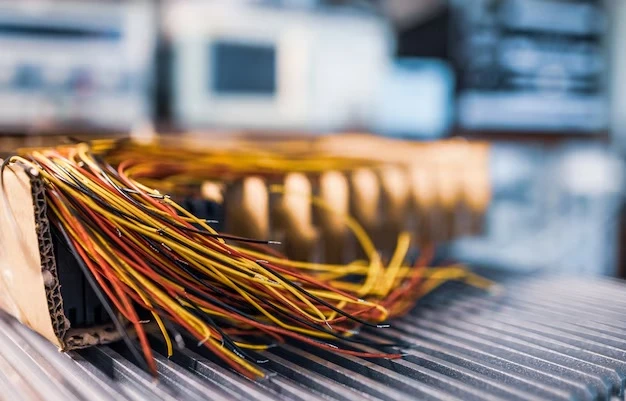
- The Solution: Fine Stranding (Class 5 or 6). Instead of 7 thick strands, a vibration-resistant cable uses hundreds of hair-thin copper filaments twisted together. This rope-like structure allows the cable to flex and absorb vibration energy without focusing stress on a single point.
Absorbing the Shock: Insulation and Bedding
The internal components of a cable can rattle against each other, causing "internal abrasion."
- Tough Insulation: Materials like Cross-Linked Polyethylene (XLPE) or Ethylene Propylene Rubber (EPR) are used because they are mechanically tough and resist wearing down when rubbed.
- Bedding and Fillers: High-quality vibration cables use extensive fillers (like non-woven fleece or extruded rubber) between the cores. These act as a shock absorber, holding the cores firmly in place so they move as a single unit rather than banging against each other.
The Outer Shell: Resisting Abrasion
Vibration often means the cable is rubbing against a tray or machine part.
- Sheathing: Polyurethane (PUR) or heavy-duty Rubber jackets are preferred. They have a high "coefficient of friction" and extreme abrasion resistance, acting as a durable skin that won't wear through even after millions of cycles of rubbing.
Secure Terminations
A vibration-proof cable is useless if it falls out of the terminal.
- Compression Lugs: Connectors must be hydraulically crimped, not soldered (solder creates a brittle point that snaps under vibration).
- Strain Relief: Proper glands that grip the cable jacket tightly are essential to transfer the vibration energy to the housing, rather than the delicate copper connection.
Conclusion: Engineering for Motion
Designing for vibration is about managing energy. You cannot stop the machine from shaking, but you can build a cable that moves with it. By using fine-stranded conductors, shock-absorbing fillers, and tough outer jackets, cable manufacturers in uae create solutions that ensure reliability in the most dynamic environments on Earth.
Your Vibration Cable Questions Answered (FAQs)
- Why do solid wires fail in vibrating environments?
Solid wires are rigid. Vibration concentrates stress at the connection point, causing the metal to crystallize and become brittle (work-harden), leading to a clean snap. - What is the best conductor type for vibration?
Class 5 or Class 6 flexible conductors. These consist of many fine strands of copper bundled together, which allows them to absorb movement and vibration without fatigue. - Does the cable jacket matter for vibration?
Yes. If the cable vibrates against a surface, a standard PVC jacket will wear through quickly. Tougher materials like Polyurethane (PUR) or Rubber are needed to resist this abrasion. - How should I secure cables in a high-vibration area?
Use cable cleats or clamps with rubber liners. These grip the cable securely but provide a small amount of damping to absorb the shock, preventing the cable from whiplash damage. - What is "fretting corrosion"?
It is a type of corrosion caused by vibration. Micro-movements between electrical contacts wear away the plating, exposing the base metal to oxidation. This increases resistance and causes heat. Vibration-proof connectors prevent this.























Sign in to leave a comment.