

A thoughtfully designed garden is more than an attractive outdoor area. It is a living environment where plants, wildlife, and people can exist together in balance. Modern landscape design focuses on creating spaces that are not only visually appealing but also environmentally responsible and naturally resilient. Beautyberry Gardens specializes in developing sustainable landscapes that combine creative design, expert horticulture, and native plant knowledge to transform outdoor areas into thriving ecosystems. By focusing on native species and responsible gardening methods, homeowners can enjoy beautiful functional habitats that enhance their surroundings while supporting local nature.
Sustainable Gardening Practices for Healthy Landscapes
Sustainable gardening begins with making choices that work with the natural environment rather than against it. Traditional landscaping methods often require excessive watering, chemical treatments, and frequent replacements of plants that are not suited to local conditions. A sustainable approach reduces these challenges by selecting plants that naturally adapt to the area’s climate, soil, and seasonal changes.
Native plants play an essential role in environmentally friendly garden development. Because they have evolved within local ecosystems, native species typically require fewer resources to remain healthy. They are better prepared to handle regional weather patterns, support beneficial insects, and provide important resources for birds and other wildlife. Incorporating native plants into landscape designs creates outdoor spaces that are easier to maintain while contributing positively to the surrounding environment.
Another important part of sustainable gardening is improving soil health. Healthy soil supports stronger plant growth, reduces water waste, and helps gardens remain productive over time. Organic materials, composting methods, and careful plant placement can improve soil structure while encouraging natural processes. Instead of relying heavily on artificial solutions, sustainable landscapes focus on creating conditions where plants can naturally thrive.
Water conservation is also a key consideration in responsible landscape planning. Choosing drought-tolerant plants, designing efficient irrigation systems, and grouping plants with similar water needs can significantly reduce unnecessary consumption. These strategies allow gardens to remain beautiful throughout changing seasons while using resources more efficiently.
Creating Harmony Between Plants and Outdoor Spaces
A successful landscape design is created by understanding the relationship between plants and their environment. Every garden has unique characteristics, including sunlight exposure, soil conditions, drainage patterns, and existing vegetation. Careful planning ensures that each plant is placed where it can grow successfully and contribute to the overall health of the landscape.
Plant diversity is one of the most important elements of a strong ecosystem. A garden with a variety of native trees, shrubs, flowers, and ground covers provides different benefits throughout the year. Some plants may offer shelter for wildlife, while others provide seasonal blooms, seeds, or berries. This variety creates a balanced environment that supports pollinators and encourages natural biodiversity.
Beautyberry Gardens focuses on thoughtful plant selection to create landscapes that feel connected to their surroundings. With extensive horticultural knowledge and access to a native plant nursery, the company carefully chooses plants that complement each property’s character. This approach helps homeowners develop outdoor spaces that are both functional and visually engaging.
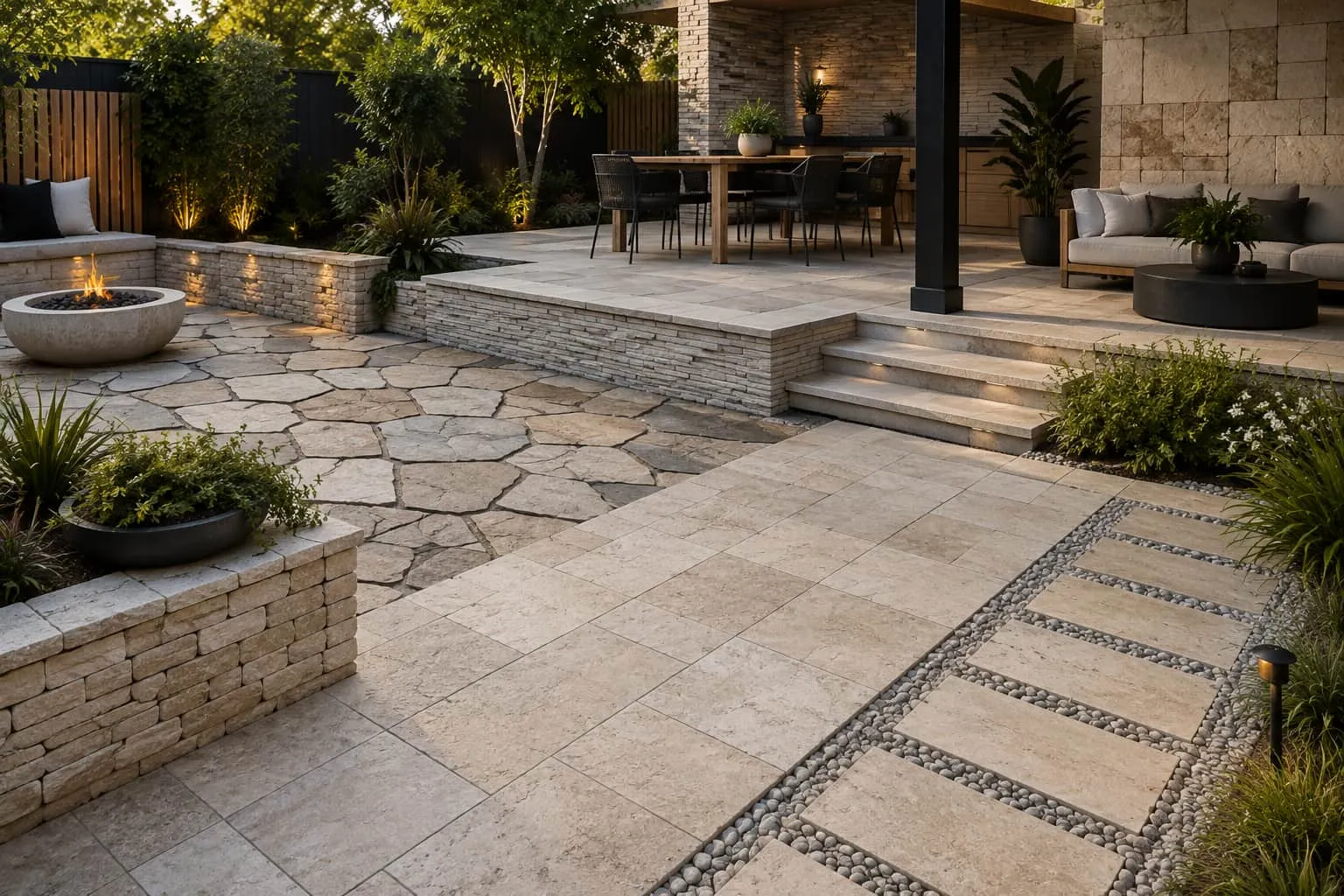
Creating beautiful functional habitats requires more than simply adding plants to a space. It involves designing areas where people can relax, connect with nature, and enjoy outdoor living while maintaining ecological value. Pathways, seating areas, garden structures, and planting arrangements can all be integrated to create a seamless connection between human needs and natural systems.
A well-designed garden can also improve the overall appearance and value of a property. Thoughtful landscaping enhances curb appeal while providing long-term benefits. When plants are selected based on their natural growing conditions, the landscape becomes more sustainable, reducing the need for frequent replacements and intensive maintenance.
Maintaining a Landscape That Grows Naturally
Sustainable landscapes continue to evolve after installation. Ongoing care plays an important role in preserving plant health, maintaining visual appeal, and ensuring that the garden remains a thriving environment. Regular observation and seasonal maintenance help identify changes in plant growth, soil conditions, and environmental needs.
Maintenance practices for sustainable gardens often focus on supporting natural growth patterns rather than controlling every aspect of the landscape. Proper pruning, responsible watering, mulching, and seasonal plant care help maintain healthy gardens without disrupting natural processes. Understanding when and how to care for different plant species allows landscapes to develop strength over time.
Seasonal maintenance is especially important for native gardens. Different plants have unique growth cycles, and their needs can change throughout the year. Spring may require preparation and new planting, while summer care may focus on water management and monitoring plant health. Fall can provide opportunities for pruning and preparing gardens for colder conditions, while winter planning allows homeowners to consider future improvements.
Another benefit of sustainable landscape maintenance is reducing unnecessary environmental impact. Avoiding excessive chemical treatments and encouraging natural pest management methods helps protect beneficial insects, soil organisms, and surrounding ecosystems. A healthy garden often develops its own natural balance when plants and wildlife are properly supported.
Beautyberry Gardens helps homeowners maintain landscapes that continue to grow beautifully over time. Through careful planning, plant knowledge, and environmentally responsible practices, gardens can become lasting spaces that provide enjoyment while supporting nature.
Designing Outdoor Spaces That Benefit People and Nature
Landscape design has the ability to create meaningful connections between people and the natural world. A garden can become a peaceful retreat, a gathering place, and a habitat that supports local ecosystems. Sustainable design considers both beauty and purpose, ensuring that outdoor spaces remain valuable for years to come.
The most successful landscapes are those that work naturally with their surroundings. By using native plants, improving soil health, conserving resources, and encouraging biodiversity, homeowners can create gardens that require less intervention while offering greater ecological benefits.
Beautiful functional habitats represent a new approach to outdoor living where design and sustainability come together. These spaces provide homeowners with attractive landscapes while creating opportunities for wildlife, pollinators, and native plants to flourish. A carefully planned garden is not just an addition to a property; it is a living environment that continues to develop and improve with time.
Conclusion
Sustainable landscape design allows homeowners to enjoy outdoor spaces that are both beautiful and beneficial. By incorporating native plants, responsible gardening techniques, and thoughtful maintenance practices, landscapes can remain healthy while supporting local ecosystems. Beautyberry Gardens creates customized gardens that combine creativity, horticultural expertise, and environmental responsibility. The result is a lasting outdoor space where nature and people can thrive together through carefully designed beautiful functional habitats.

























Sign in to leave a comment.