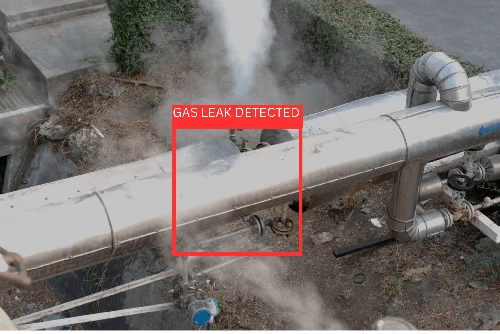

Technological advancements have been pivotal in enhancing workplace safety across industries in recent years. Among these advancements, Vision AI technology has emerged as a game-changer in the field of workplace safety. Vision AI utilizes sophisticated AI and deep learning algorithms to identify potential hazards and safety breaches in industrial environments with unparalleled precision. This article explores how Vision AI is making strides in revolutionizing industrial safety, particularly in the timely detection of gas leaks, and emphasizes the importance of adopting this cutting-edge technology to ensure enhanced workplace safety.
The Role of Vision AI in Hazard Identification
Vision AI is a subset of artificial intelligence that enables systems to interpret and understand visual information from images and videos. In the context of workplace safety, it involves the deployment of advanced cameras and sensors that continuously monitor the premises for potential hazards, such as gas leaks. By employing deep learning algorithms, Vision AI systems can analyze vast amounts of visual data in real-time, allowing them to detect even subtle signs of gas leakage that may go unnoticed by human operators.
Importance of Timely Gas Leak Detection
Gas leaks can pose significant risks to both human life and the environment, making their early detection and prompt action crucial. Traditional gas leak detection methods have often proven to be time-consuming, expensive, and limited in their precision. However, Vision AI is tremendously revolutionizing gas leak detection processes and making a substantial difference for safety officers providing them with accurate, real-time insights to enhance safety protocols and prevent potential disasters.
Gas leaks pose significant risks to both employees and the environment. Inhaling toxic gasses can lead to severe health issues, while the presence of flammable gasses can result in explosive incidents, causing substantial damage to property and infrastructure. Therefore, timely detection of gas leaks is of utmost importance to prevent accidents and minimize potential losses.
Traditional gas leak detection methods rely on manual inspections and periodic monitoring, which can be time-consuming, labor-intensive, and often prone to human errors. For example, conventional methods like optical gas imaging (OGO) are time-consuming and rely primarily on human operators for interpreting results.
On the other hand, Vision AI technology uses convolutional neural networks (CNN), and by training these networks with thousands of gas leakage images, automatic detection capabilities can be achieved, reducing the need for labor-intensive procedures and enabling efficient and reliable gas leak detection without human intervention.
This, in turn, offers a proactive and continuous monitoring solution that can significantly improve response times in critical situations, ultimately saving lives and protecting assets.
How Vision AI Enables Early Detection of Gas Leakages
Real-Time Monitoring: Vision AI systems are capable of 24/7 real-time monitoring, eliminating the limitations of manual inspections. This constant vigilance ensures that gas leaks are detected as soon as they occur, enabling immediate corrective actions to be taken.
Image Recognition: Vision AI algorithms can be trained to recognize the visual signatures of different types of gasses, allowing for early detection even when leaks can't be observed with the naked eye. By analyzing thermal patterns and gas dispersion, these systems can identify potential leaks well before they become hazardous.
Advanced Alerting Mechanisms: Vision AI systems can automatically trigger alerts to safety personnel and management when a gas leak is detected. These alerts are shared through different channels, including mobile devices and control room displays, ensuring that the appropriate response measures are initiated promptly.
Integration with Safety Systems: Vision AI technology can be seamlessly integrated with existing camera surveillance systems and emergency shutdown mechanisms. This integration allows for a more comprehensive safety approach, where multiple hazards can be addressed simultaneously.
Advantages of Vision AI in Gas Leak Detection
Vision AI offers several key advantages that address the limitations of traditional gas leak detection methods:
Enhanced Accuracy: Vision AI systems boast high accuracy rates, reducing false positives and minimizing the risk of overlooking actual gas leaks.
Real-time Monitoring: Safety personnel receive real-time alerts, enabling them to respond swiftly and implement appropriate safety protocols.
Increased Coverage: Vision AI can cover vast areas with a network of cameras, ensuring comprehensive gas leak detection without human limitations.
Cost-Effectiveness: While the initial setup may require investment, the long-term cost savings of Vision AI make it a financially viable and sustainable solution for organizations.
Proactive Maintenance: By continuously monitoring for gas leaks, Vision AI allows organizations to identify potential issues before they escalate, leading to proactive maintenance and risk reduction.
Industries Benefiting from Vision AI for Gas Leak Detection
Vision AI technology finds applications in various industries where gas leaks are a concern. Some of the key sectors that can benefit from adopting this advanced safety measure include:
Oil and Gas: Oil refineries, gas processing plants, and drilling sites are high-risk environments where gas leaks can have catastrophic consequences. Vision AI provides continuous monitoring to ensure the safety of personnel and prevent environmental disasters.
Chemical Manufacturing: Chemical plants handle hazardous substances, making them vulnerable to gas leaks. Vision AI can help detect leaks early, preventing chemical accidents and potential harm to nearby communities.
Power Generation: Gas leaks in power plants can lead to equipment failures and endanger the workforce. Vision AI technology ensures early detection, reducing downtime and preventing accidents.
Warehousing and Logistics: Facilities dealing with compressed gasses and fuel storage must prioritize gas leak detection. Vision AI assists in maintaining safe working environments and mitigating the risk of accidents during handling and storage.
Manufacturing: Various manufacturing processes involve the use of gasses, and leaks can lead to production delays and safety hazards. Vision AI aids in maintaining a secure manufacturing environment.
Conclusion
In the realm of workplace safety, Vision AI technology has emerged as a groundbreaking tool for gas leak detection, offering unparalleled accuracy and early detection capabilities. Its ability to provide real-time monitoring, advanced image recognition, and seamless integration with safety systems makes it an indispensable asset for industries dealing with hazardous gasses.
It is important to note that adopting technology is not merely an option today; it is an imperative step toward enhancing workplace safety and mitigating potential risks. By investing in this cutting-edge technology, organizations can exhibit their commitment to the well-being of their employees, the protection of assets, and the preservation of the environment. Embracing Vision AI for gas leak detection is a proactive measure that sets a new standard for safety in the industrial landscape, ensuring a secure and sustainable future for all.

























Sign in to leave a comment.