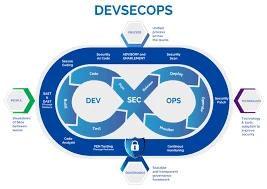

DevSecOps services have become a foundational requirement for organizations building modern software at scale. As businesses accelerate digital transformation, development cycles are becoming shorter, infrastructures more complex, and cyber threats more advanced. In this environment, treating security as a final step is no longer sustainable. Instead, security must be embedded directly into the software development lifecycle, working alongside development and operations rather than against them.
By adopting devsecops services, organizations can integrate security controls, testing, and compliance into every phase of application development. This approach enables faster releases, reduced vulnerabilities, and stronger alignment between technical teams and business goals. DevSecOps is not just a technical shift—it represents a cultural and operational evolution toward building secure, reliable, and scalable software.
Understanding DevSecOps Services
DevSecOps services refer to a set of practices, tools, and frameworks that integrate security into DevOps processes. Rather than isolating security responsibilities within a separate team, DevSecOps makes security a shared responsibility across development, operations, and security teams.
The goal of devsecops services is to identify and address security risks as early as possible in the development lifecycle. By automating security checks and embedding them into workflows, organizations can detect vulnerabilities during coding, testing, and deployment instead of after an application is already live.
Why DevSecOps Services Are Essential Today
Modern applications are built using cloud platforms, microservices, APIs, and third-party components. While these technologies increase flexibility and speed, they also expand the attack surface. Traditional security approaches struggle to keep up with continuous integration and continuous delivery pipelines.
DevSecOps services address this challenge by ensuring that security evolves at the same pace as development. Automated scans, policy enforcement, and continuous monitoring allow teams to release software quickly without compromising protection. In highly regulated and competitive industries, this balance is critical for long-term success.
Evolution from DevOps to DevSecOps
DevOps emerged to break down silos between development and operations, enabling faster and more reliable software delivery. However, as development speed increased, security often became a bottleneck or was postponed until late in the process.
DevSecOps services evolved to close this gap by embedding security directly into DevOps workflows. Instead of slowing teams down, security becomes an enabler of speed and quality. This evolution reflects the growing recognition that secure software is essential for trust, compliance, and business continuity.
Core Principles of DevSecOps Services
At the heart of DevSecOps services are several key principles, including automation, collaboration, and continuous improvement. Automation ensures that security checks are repeatable, consistent, and scalable across environments.
Collaboration encourages teams to work together from the earliest stages of development. With devsecops services, developers, security professionals, and operations teams share accountability for protecting applications, reducing friction and improving outcomes.
Integrating Security into the Software Development Lifecycle
One of the defining characteristics of DevSecOps services is the integration of security throughout the entire software development lifecycle. From planning and design to deployment and maintenance, security is considered at every stage.
By adopting devsecops services, organizations implement secure coding practices, automated vulnerability scanning, and configuration management early in development. This “shift-left” approach reduces remediation costs and prevents critical issues from reaching production.
Role of Automation in DevSecOps Services
Automation is the backbone of effective DevSecOps services. Manual security processes are too slow and error-prone for modern development environments. Automated tools can analyze code, dependencies, and infrastructure configurations in real time.
With devsecops services, automation enables continuous security testing without disrupting development velocity. Developers receive immediate feedback, allowing them to fix issues quickly and maintain momentum throughout the delivery pipeline.
DevSecOps Services in CI/CD Pipelines
Continuous integration and continuous delivery pipelines are central to modern software development. Integrating security into these pipelines ensures that every code change is evaluated for potential risks.
DevSecOps services embed security checks such as static code analysis, dependency scanning, and configuration validation directly into CI/CD workflows. This approach ensures that vulnerabilities are detected before deployment, supporting rapid and secure releases.
Securing Cloud and Container Environments
Cloud-native architectures introduce unique security challenges, including dynamic scaling, ephemeral workloads, and shared responsibility models. DevSecOps services are designed to address these complexities.
By implementing devsecops services, organizations can secure containers, Kubernetes clusters, and cloud resources through automated policies and monitoring. This ensures consistent protection across hybrid and multi-cloud environments while supporting scalability and flexibility.
DevSecOps Services and Compliance Management
Regulatory compliance is a major concern for organizations operating in industries such as finance, healthcare, and e-commerce. Manual compliance processes are time-consuming and often fail to keep up with frequent changes.
DevSecOps services streamline compliance by automating policy enforcement and audit reporting. Continuous monitoring ensures that applications remain compliant throughout their lifecycle, reducing the risk of penalties and reputational damage.
Risk Identification and Mitigation Through DevSecOps
Effective risk management is a key benefit of DevSecOps services. By continuously scanning applications and infrastructure, teams gain visibility into vulnerabilities and misconfigurations.
Organizations using devsecops services can prioritize risks based on severity and potential impact. This proactive approach enables faster remediation and strengthens overall security posture, even as systems grow more complex.
Building a Security-First Culture
Technology alone cannot guarantee secure software. DevSecOps services also emphasize cultural change by promoting shared responsibility and accountability.
When teams embrace devsecops services, security becomes part of everyday decision-making rather than an afterthought. Training, collaboration, and transparent communication help create a culture where security supports innovation instead of hindering it.
Enhancing Collaboration Across Teams
Silos between development, security, and operations teams often lead to miscommunication and delays. DevSecOps services break down these barriers by aligning teams around common objectives.
Through shared tools and workflows, devsecops services improve visibility and coordination. This collaboration reduces friction, accelerates development, and ensures that security requirements are understood and addressed early.
DevSecOps Services for Faster Incident Response
Despite preventive measures, security incidents can still occur. DevSecOps services enhance incident response by providing real-time monitoring and actionable insights.
By leveraging devsecops services, organizations can detect anomalies quickly, isolate affected components, and deploy fixes with minimal disruption. Faster response times reduce damage and support business continuity.
Measuring the Success of DevSecOps Services
Measuring performance is essential for continuous improvement. Metrics such as vulnerability resolution time, deployment frequency, and incident response speed provide valuable insights.
DevSecOps services offer dashboards and analytics that track both security and development performance. These metrics help organizations refine processes and demonstrate the value of integrated security practices.
Challenges in Implementing DevSecOps Services
While DevSecOps offers significant benefits, implementation can present challenges. Legacy systems, skill gaps, and resistance to change may slow adoption.
Organizations adopting devsecops services must invest in training, tool integration, and change management. A phased approach allows teams to gradually build capabilities while minimizing disruption.
Best Practices for Successful DevSecOps Adoption
Successful DevSecOps services begin with leadership support and clear objectives. Defining security requirements early and selecting the right tools are critical steps.
Regular testing, feedback loops, and continuous learning ensure long-term success. By following best practices, organizations can maximize the impact of devsecops services and build resilient development pipelines.
Business Benefits of DevSecOps Services
From a business perspective, DevSecOps services deliver tangible value. Reduced security incidents, faster time-to-market, and improved compliance contribute to cost savings and competitive advantage.
Organizations that implement devsecops services also build stronger trust with customers and partners. Secure and reliable software enhances brand reputation and supports sustainable growth.
DevSecOps Services in Digital Transformation
Digital transformation initiatives often involve migrating to the cloud, modernizing applications, and adopting agile practices. Security must evolve alongside these changes.
DevSecOps services provide the flexibility and scalability needed to secure modern digital ecosystems. By embedding security into transformation efforts, organizations reduce risk and accelerate innovation.
Future Trends in DevSecOps Services
The future of DevSecOps services is closely tied to advancements in automation, artificial intelligence, and threat intelligence. AI-driven tools will enable predictive security and faster threat detection.
As development environments continue to evolve, devsecops services will become more intelligent, adaptive, and integrated. Continuous innovation will shape the next generation of secure software delivery.
DevSecOps Services and Long-Term Resilience
Resilience is a critical goal for modern organizations. DevSecOps services support resilience by enabling continuous monitoring, rapid recovery, and proactive risk management.
By adopting devsecops services, businesses can build systems that withstand evolving threats and adapt to changing requirements. This resilience is essential for long-term success in an increasingly digital world.
Conclusion
DevSecOps services represent a fundamental shift in how organizations approach software security. By integrating security into every stage of development, businesses can achieve faster releases, stronger protection, and improved compliance.
As cyber threats continue to grow and digital transformation accelerates, devsecops services will remain a critical strategy for building secure, scalable, and reliable software. Organizations that embrace DevSecOps today will be better prepared to meet the challenges of tomorrow while delivering value with confidence.



























Sign in to leave a comment.