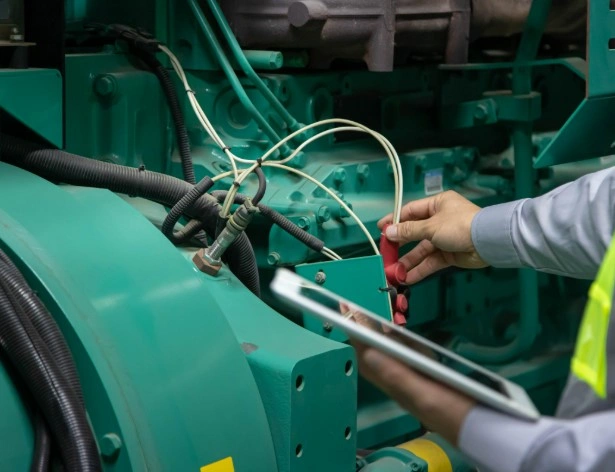

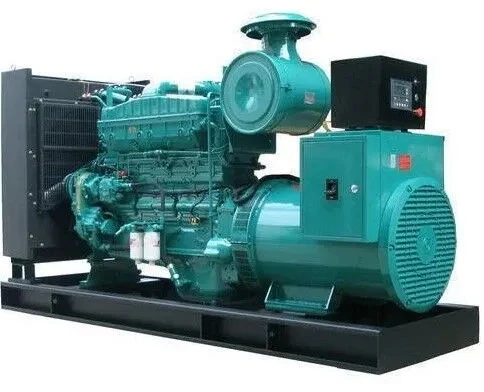
Diesel generators serve as essential primary or backup power sources for communication base stations, mining operations, data centers, hotels, and other critical facilities. They play a vital role in guaranteeing uninterrupted power supply, and their stable operation directly impacts the performance of key electrical and mechanical equipment. Among the various faults encountered in daily operation, frequency instability is one of the most common and potentially harmful issues. This article provides an in-depth analysis of the root causes of frequency instability and presents a systematic troubleshooting guide to help users quickly identify and resolve such problems.
Basic Principle of Frequency Instability
To understand frequency instability, it is critical to clarify the relationship between frequency and engine speed. The output frequency of a diesel generator is determined by engine rotational speed, as expressed in the formula:F = P × N / 60where:
- F = output frequency (Hz)
- P = number of pole pairs
- N = engine speed (rpm)
This formula shows that frequency instability fundamentally originates from engine speed fluctuations. Since the number of pole pairs is a fixed generator parameter, any frequency variation is almost always related to the engine speed governing system or other factors affecting rotational stability.
Frequency instability typically presents in three forms:
- Oscillating needle on the frequency meter
- Noticeable flickering of lighting systems
- Abnormal operation or automatic shutdown of connected equipment
These issues not only degrade power quality but may also damage precision instruments and electronic devices.
Diesel Generator Routine Inspection & Preliminary Fault Assessment
Before detailed troubleshooting, observing fault characteristics helps narrow down the diagnostic scope.
Key Preliminary Checks
- Load condition analysis: Determine whether instability occurs under no-load, full-load, or both. No-load instability often points to internal generator issues, while load-related fluctuation may relate to load characteristics or insufficient capacity.
- Fluctuation pattern: Identify whether frequency fluctuation is periodic and regular or completely random. Regular oscillation usually indicates mechanical wear or component failure.
- Fluctuation range: Evaluate whether variation is minor (within ±1 Hz) or severe (exceeding ±5 Hz).
- Associated symptoms: Check for black smoke, reduced power output, abnormal noise, or excessive vibration.
These observations provide important clues for targeted troubleshooting.
Fuel System Fault Diagnosis
Fuel system problems account for more than 40% of frequency instability cases, making them the most common cause.
1. Fuel Quality Issues
Diesel contaminated with water, air, impurities, or gum can directly disrupt fuel delivery. Water reduces combustion efficiency; impurities clog fuel lines; and gum deposits interfere with precision components.Recommendations:
- Regularly drain water from the fuel tank bottom.
- Use clean, standard-compliant diesel fuel.
- Avoid using fuel that has been stored for an extended period.
2. Clogged Filters
Generators are usually equipped with a two-stage filtration system (coarse filter + fine filter). Long-term use without replacement leads to clogging and insufficient fuel supply — a frequently overlooked yet low-cost maintenance item.Recommendation: Replace both filters after 500 operating hours or six months of use.
3. Air Entering the Fuel Lines
Air in the fuel system is a typical cause of speed fluctuation. Since air is compressible, bubbles create intermittent fuel injection and unstable engine speed.Check the entire fuel path from the tank to the transfer pump, filters, and injection pump for loose connections or leaks.Bleed the system using the hand pump until fuel flows without bubbles, ensuring complete air removal.
4. Insufficient Fuel Supply Pressure
Worn or faulty transfer pumps cannot deliver adequate pressure to the injection pump. Measure outlet pressure and compare it with the manufacturer’s standard. Repair or replace the transfer pump if pressure is insufficient.
5. Internal Wear of the Injection Pump
Worn plunger assemblies and delivery valves cause internal leakage, uneven fuel pressure, and inconsistent cylinder delivery. This often appears as gradual, regular speed fluctuation and requires professional calibration on a specialized test bench.
Governor System Fault Analysis
The governor is the core component controlling engine speed, making it another major source of frequency instability.
1. Mechanical Governor Failure
Traditional engines use centrifugal mechanical governors that rely on flyweights, springs, and linkage mechanisms. Common issues include:
- Flyweight wear leading to inaccurate centrifugal response
- Fatigued springs causing incorrect restoring force
- Sticking linkage due to carbon deposits, corrosion, or wear
- Calibration drift requiring periodic readjustment
Such faults often result in steady off-frequency operation (e.g., stabilizing at 48 Hz or 52 Hz) or periodic oscillation.
2. Electronic Governor & ECU Failure
Modern generators use electronic governors or engine control units (ECUs), with more complex failure modes:
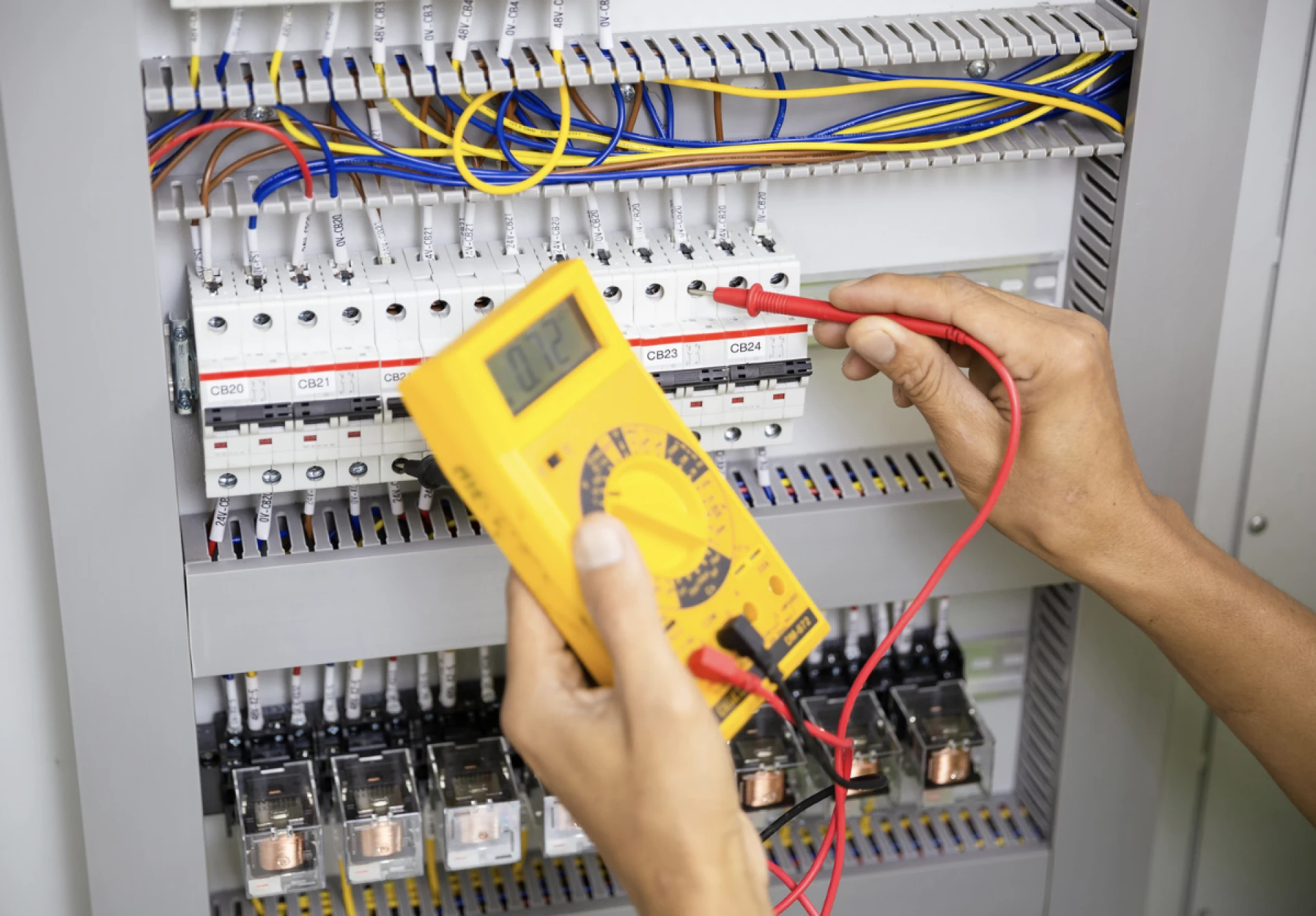
- Speed sensor faults: improper gap, damaged magnetic head, or broken wiring
- Actuator failures: coil burnout, valve sticking, or hydraulic leakage
- Control module errors: circuit damage, software faults, or incorrect parameters
- Poor wiring connections: loose plugs, aging cables, or insufficient shielding
These typically require professional diagnostic tools.
Fuel Injection System Problems
Injector faults directly cause unstable combustion:
- Poor atomization, fuel dripping, or clogged nozzles lead to incomplete burning
- Unequal injection pressure between cylinders causes inconsistent power output
A cylinder cut-out test can identify weak cylinders. If cutting out one cylinder results in little to no speed change, that cylinder is underperforming due to injector failure or low compression.
Mechanical issues such as valve leakage, improper valve clearance, worn piston rings or liners, blown head gaskets, worn camshafts, or misaligned timing gears also reduce compression and combustion stability.
Intake and Exhaust System Faults
- Clogged air filter: Restricts airflow, weakens combustion, and causes speed fluctuation. A temporary test removal can confirm the issue.
- Turbocharger malfunction: Worn bearings, damaged impellers, or faulty wastegates create unstable boost pressure.
- Excessive exhaust backpressure: Caused by blocked mufflers, exhaust piping, or after-treatment devices, which hinder gas exchange and reduce performance.
Load Factor Evaluation
Not all frequency instability stems from generator faults — load conditions are equally important.
- Excessive load fluctuation: Frequent starting of high-power motors, welders, or cranes creates surges beyond the governor’s response capacity.
- Capacity mismatch: Load near or exceeding rated power reduces regulation margin.
Test method: Run the generator at no-load. If frequency stabilizes, the issue is load-related. If fluctuation continues, the fault lies within the generator set.
Hazards of Frequency Instability
- Effects on electrical equipment: Alters motor speed, disrupts precision electronics, and triggers inverter alarms or shutdowns.
- Effects on the generator itself: Low speed reduces cooling fan performance; increased excitation may overheat windings; mechanical resonance can damage components.
- Effects on the power system: Lower frequency reduces voltage stability and may trigger network-wide issues.
Conclusion
Frequency instability in diesel generators is a complex issue involving multiple subsystems — fuel quality, governor performance, air intake, and mechanical condition all influence speed stability.
By following a systematic troubleshooting sequence — starting with simple fuel system checks and progressing to governors and internal mechanics — most faults can be efficiently identified and resolved.
Establishing standardized maintenance procedures, using qualified parts and consumables, and conducting regular inspections are the most effective ways to prevent frequency instability. For complex faults, professional technical support is strongly recommended to avoid further damage.China manufacturer offers high-quality industrial products with competitive pricing and advanced production capabilities.
















Sign in to leave a comment.