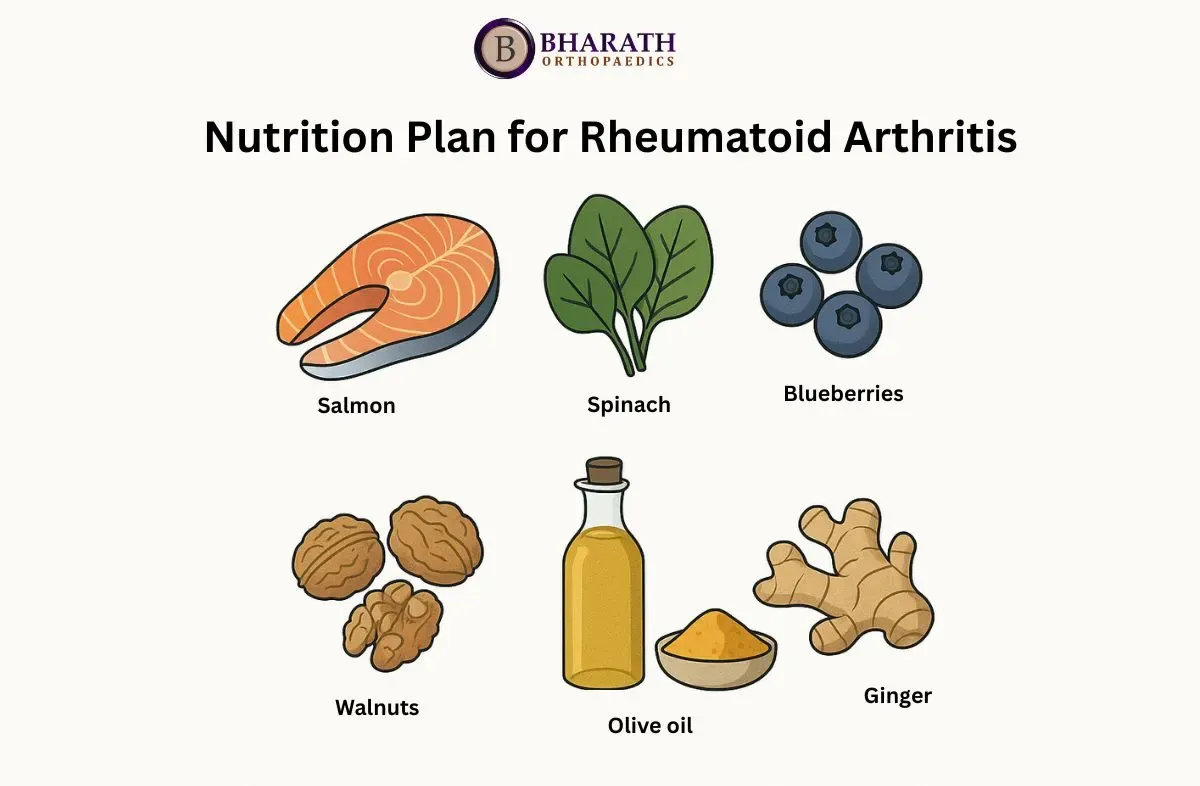

Rheumatoid arthritis is a long-term autoimmune condition that causes joint pain, stiffness, swelling, and fatigue. While medicines and physiotherapy are essential parts of treatment, following the right Diet for Rheumatoid Arthritis in India may also help reduce inflammation, improve energy levels, and support overall joint health.
Indian diets are diverse and naturally include many anti-inflammatory foods such as spices, lentils, vegetables, and healthy fats. However, certain eating habits may worsen inflammation and weight gain, both of which can increase pressure on painful joints. A balanced and practical approach to nutrition can help patients manage symptoms more comfortably alongside medical care.
Why Diet Matters in Rheumatoid Arthritis
Rheumatoid arthritis (RA) develops when the immune system mistakenly attacks the joints. This leads to chronic inflammation that may affect the knees, wrists, fingers, shoulders, and other joints.
Although food alone cannot cure RA, the right diet may help by:
- Reducing inflammation
- Supporting immune health
- Maintaining a healthy body weight
- Improving bone strength
- Reducing fatigue
- Supporting heart health, which is important because RA increases cardiovascular risk
Patients often notice that certain foods improve their symptoms while others trigger stiffness or swelling. Keeping a food diary may help identify individual triggers.
Foods That May Help Reduce Inflammation
Fatty Fish
Fish rich in omega-3 fatty acids are among the most studied foods for inflammatory arthritis.
Good options include:
- Salmon
- Sardines
- Mackerel
- Indian salmon (Rawas)
- Tuna
Omega-3 fats may help reduce joint pain and morning stiffness.
Aim for:
- 2 servings per week
For vegetarians:
- Flaxseeds
- Chia seeds
- Walnuts
can provide plant-based omega-3 fats.
Turmeric
Turmeric is widely used in Indian cooking and contains curcumin, a compound known for its anti-inflammatory properties.
Ways to include turmeric:
- Add to curries and dals
- Turmeric milk
- Vegetable stir-fries
- Soups
Combining turmeric with black pepper may improve absorption.
Fresh Fruits and Vegetables
Colourful fruits and vegetables contain antioxidants that help protect cells from inflammation.
Good choices include:
- Spinach
- Carrots
- Beetroot
- Tomatoes
- Broccoli
- Bell peppers
- Berries
- Oranges
- Papaya
- Pomegranate
Try to include:
- 4–5 servings daily
A variety of colours usually means a wider range of nutrients.
Whole Grains
Whole grains provide fibre, which supports digestion and may help lower inflammation markers.
Better choices:
- Brown rice
- Millets
- Oats
- Whole wheat
- Quinoa
- Ragi
- Bajra
These are generally healthier than refined foods such as white bread, bakery products, and maida-based snacks.
Healthy Protein Sources
Protein supports muscle strength, which is important because RA can reduce physical activity and muscle mass.
Healthy protein options:
- Dal
- Rajma
- Channa
- Paneer in moderation
- Eggs
- Fish
- Lean chicken
- Soy products
Avoid relying heavily on fried or processed meat products.
Nuts and Seeds
Almonds, walnuts, pumpkin seeds, and flaxseeds contain healthy fats and antioxidants.
Benefits include:
- Supporting heart health
- Providing healthy fats
- Helping reduce inflammation
However, portion control is important because nuts are calorie-dense.
Foods to Limit in Rheumatoid Arthritis
Certain foods may worsen inflammation or contribute to weight gain.
Processed and Fried Foods
Frequent consumption of:
- Chips
- Fried snacks
- Fast food
- Bakery items
- Instant foods
may increase inflammation due to unhealthy fats and excess salt.
Sugary Foods and Drinks
High sugar intake may worsen inflammation and contribute to obesity.
Limit:
- Soft drinks
- Sweets
- Ice creams
- Excess sugar in tea or coffee
- Packaged juices
Excess Red Meat
Large amounts of processed or fatty red meat may increase inflammatory markers in some individuals.
Limit:
- Processed meats
- Sausages
- Fatty cuts of meat
Choose leaner proteins more often.
Excess Salt
Patients taking steroids for rheumatoid arthritis may already be at risk of high blood pressure and fluid retention.
Reducing salt intake may help:
- Control blood pressure
- Reduce swelling
- Improve heart health
Avoid excessive pickles, packaged snacks, and processed foods.
Alcohol and Smoking
Smoking is strongly associated with worsening rheumatoid arthritis and poor treatment outcomes.
Alcohol may also interfere with certain RA medications, especially methotrexate.
Patients should discuss alcohol intake with their rheumatologist.
Importance of Maintaining a Healthy Weight
Extra body weight increases stress on weight-bearing joints such as the knees and ankles. Obesity is also linked with higher inflammation levels.
Weight management may help:
- Reduce joint pain
- Improve mobility
- Increase energy
- Improve treatment response
Crash diets are not recommended. Sustainable eating habits are more effective long-term.
Sample Indian Diet Plan for Rheumatoid Arthritis
Early Morning
- Warm water with flaxseeds or soaked almonds
Breakfast
- Vegetable oats
- Idli with sambar
- Millet dosa
- Vegetable poha
Mid-Morning
- Fruit such as papaya, apple, or orange
Lunch
- Brown rice or chapati
- Dal or grilled fish
- Vegetable curry
- Salad
- Curd
Evening Snack
- Green tea
- Roasted channa
- Nuts in small portions
Dinner
- Soup with vegetables
- Chapati with paneer or dal
- Stir-fried vegetables
Before Bed
- Turmeric milk with low-fat milk if tolerated
This is a general example. Dietary needs vary depending on age, diabetes, kidney disease, medication use, and activity level.
Vitamin D and Calcium for Bone Health
Patients with rheumatoid arthritis may be at increased risk of osteoporosis, especially if long-term steroids are used.
Calcium-rich foods:
- Milk
- Curd
- Paneer
- Ragi
- Sesame seeds
Vitamin D:
- Sunlight exposure
- Fortified foods
- Supplements if prescribed
Your doctor may recommend blood tests to check vitamin D levels.
Should You Try Special Diets?
Some patients explore:
- Gluten-free diets
- Vegan diets
- Mediterranean diets
- Elimination diets
While some people report symptom improvement, evidence varies. Strict diets should not be started without professional guidance because nutritional deficiencies can occur.
The Mediterranean-style diet is often considered one of the most balanced approaches because it includes:
- Vegetables
- Fruits
- Whole grains
- Fish
- Olive oil
- Nuts
while limiting processed foods.
When to Consult a Doctor or Dietitian
You should seek professional advice if:
- Joint pain is worsening
- Weight loss is unintentional
- Appetite is poor
- You are considering supplements
- You have diabetes, kidney disease, or high blood pressure
- Medications are causing stomach problems
A registered dietitian can help create a personalised meal plan that fits your medical condition and lifestyle.
Final Thoughts
A healthy diet plays an important supporting role in managing rheumatoid arthritis. While food cannot replace medications, smart dietary choices may help reduce inflammation, support joint function, and improve overall wellbeing.
Focus on:
- Fresh foods
- Balanced meals
- Healthy fats
- Adequate protein
- Weight management
At the same time, avoid excessive processed foods, sugar, smoking, and unhealthy fats. Combined with regular medical care, exercise, and physiotherapy, the right dietary habits can help many patients live more comfortably with rheumatoid arthritis.





























Sign in to leave a comment.