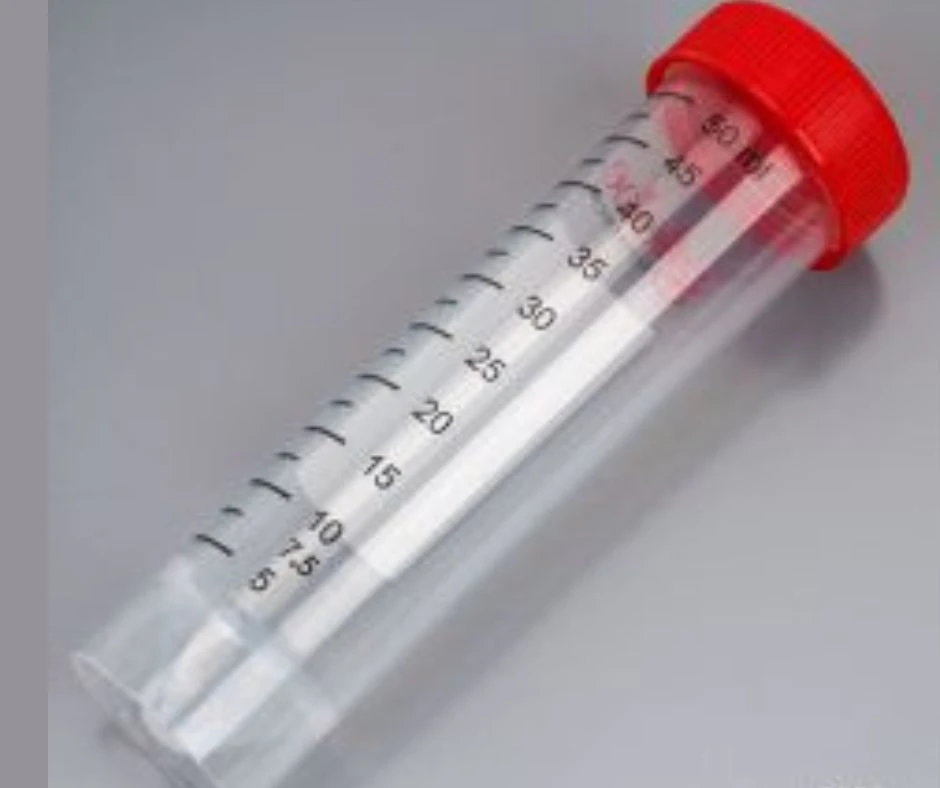

Centrifuge tubes are one of the most essential tools found in laboratories today. From clinical diagnostics and biotechnology research to pharmaceutical development and academic experiments, centrifuge tubes play a critical role in separating, storing, and handling samples safely and efficiently.
Modern labs rely heavily on plastic centrifuge tubes because of their durability, chemical resistance, and cost-effectiveness. However, not all centrifuge tubes are the same. They come in different sizes, materials, designs, and specifications — each made for specific laboratory applications.
In this detailed guide, we’ll explore the different types of centrifuge tubes and their uses in modern labs to help you choose the right option for your laboratory needs.
What Are Centrifuge Tubes?
Centrifuge tubes are cylindrical containers used to hold liquid samples while they are spun at high speeds inside a centrifuge. The spinning motion generates centrifugal force, which separates components in a sample based on density.
For example:
- Blood samples can be separated into plasma, serum, and cells.
- Chemical mixtures can be divided into different phases.
- DNA or RNA can be isolated in molecular biology labs.
Because centrifugation often involves high speeds and force, the quality and type of centrifuge tubes used are extremely important for safety and accuracy.
Why Plastic Centrifuge Tubes Are Popular in Modern Labs
Today, most laboratories prefer plastic centrifuge tubes over glass alternatives. Here’s why:
- Lightweight and shatter-resistant
- Cost-effective for disposable use
- Resistant to many chemicals
- Suitable for high-speed centrifugation
- Available in sterile and non-sterile versions
Plastic centrifuge tubes are typically made from polypropylene (PP) or polystyrene (PS), depending on the intended use.
Main Types of Centrifuge Tubes
Let’s explore the different types of centrifuge tubes commonly used in modern laboratories.
1. Conical Centrifuge Tubes
Conical centrifuge tubes are among the most widely used types in laboratories.
Features:
- Cone-shaped bottom
- Available in 15 mL and 50 mL sizes
- Usually made from polypropylene
- Screw caps for secure sealing
- Graduated markings for accurate measurement
Uses:
- Blood sample separation
- Cell culture applications
- Protein purification
- Sample storage
The conical bottom allows for easy collection of pellets after centrifugation, making them ideal for biological and clinical applications.
Most labs rely on plastic centrifuge tubes in conical designs because they can withstand high speeds and are leak-resistant.
2. Round-Bottom Centrifuge Tubes
Round-bottom centrifuge tubes have a curved base instead of a pointed cone.
Features:
- Smooth rounded bottom
- Common in larger volume tubes
- Available in both plastic and glass
Uses:
- Chemical applications
- Density gradient centrifugation
- Applications requiring even sedimentation
These centrifuge tubes are often used in research labs where uniform sample distribution is required.
3. Microcentrifuge Tubes
Microcentrifuge tubes, also called microtubes or Eppendorf tubes, are small-capacity centrifuge tubes used in molecular biology and biochemical labs.
Features:
- Small volume capacity (0.2 mL to 2 mL)
- Snap caps or screw caps
- Made primarily of polypropylene
- Clear or frosted surfaces
Uses:
- DNA extraction
- RNA isolation
- PCR preparation
- Enzyme reactions
Microcentrifuge tubes are essential in genetic research and biotechnology laboratories. Their compact design allows them to fit into specialized microcentrifuges.
High-quality plastic centrifuge tubes in micro sizes are designed to handle high-speed spins without cracking or leaking.
4. Glass Centrifuge Tubes
Although plastic options dominate modern labs, glass centrifuge tubes are still used in specific applications.
Features:
- Made from borosilicate glass
- Chemically inert
- Transparent for easy viewing
Uses:
- Organic chemistry experiments
- Applications involving strong solvents
- Heat-resistant procedures
However, glass centrifuge tubes are heavier and breakable. Due to safety concerns, many labs now prefer durable plastic centrifuge tubes unless chemical resistance requires glass.
5. Screw-Cap Centrifuge Tubes
Screw-cap centrifuge tubes provide extra security during high-speed spinning.
Features:
- Tight sealing caps
- Leak-proof design
- Available in 15 mL, 50 mL, and other sizes
Uses:
- Transporting samples
- Long-term storage
- Hazardous or infectious materials
In clinical and diagnostic laboratories, screw-cap plastic centrifuge tubes are preferred to prevent contamination and sample loss.
6. Snap-Cap Centrifuge Tubes
Snap-cap tubes are designed for quick access and easy handling.
Features:
- Hinged cap
- Easy one-hand operation
- Suitable for smaller volumes
Uses:
- Routine lab procedures
- Short-term storage
- Molecular biology work
These centrifuge tubes are commonly used in high-throughput labs where efficiency is important.
7. Graduated Centrifuge Tubes
Graduated centrifuge tubes include clear measurement markings along the body.
Features:
- Easy-to-read volume graduations
- Accurate liquid measurement
- Transparent design
Uses:
- Sample measurement
- Solution preparation
- Quantitative analysis
Most plastic centrifuge tubes are manufactured with precise graduation markings for laboratory accuracy.
8. Sterile Centrifuge Tubes
Sterile centrifuge tubes are specially treated to eliminate contamination risks.
Features:
- Pre-sterilized packaging
- Free from RNase, DNase, and pyrogens
- Individually wrapped or bulk packed
Uses:
- Cell culture
- Microbiology
- Clinical diagnostics
- Molecular biology research
Sterile plastic centrifuge tubes are crucial in maintaining sample integrity in sensitive experiments.
9. Non-Sterile Centrifuge Tubes
Non-sterile centrifuge tubes are suitable for general laboratory tasks.
Uses:
- Routine chemical analysis
- Educational labs
- Non-sensitive procedures
These tubes are cost-effective and ideal for tasks where sterility is not required.
10. High-Speed and Ultra-Centrifuge Tubes
Some centrifuge tubes are specifically designed to handle extreme speeds.
Features:
- Thick-walled construction
- High RCF (Relative Centrifugal Force) resistance
- Specialized materials
Uses:
- Protein separation
- Virus isolation
- Advanced molecular research
Choosing the right plastic centrifuge tubes for high-speed applications ensures safety and prevents tube failure.
Materials Used in Plastic Centrifuge Tubes
Most plastic centrifuge tubes are made from:
Polypropylene (PP)
- Highly chemical resistant
- Autoclavable
- Suitable for high-speed centrifugation
- Ideal for biological applications
Polystyrene (PS)
- Crystal clear
- Less chemical resistant
- Used for low-speed applications
Polypropylene plastic centrifuge tubes are the most common in modern labs due to their durability and temperature resistance.
Common Sizes of Centrifuge Tubes
Centrifuge tubes come in various sizes depending on lab needs:
- 0.2 mL
- 0.5 mL
- 1.5 mL
- 2 mL
- 5 mL
- 15 mL
- 50 mL
Selecting the correct size improves efficiency and reduces sample waste.
Key Applications of Centrifuge Tubes in Modern Labs
Centrifuge tubes are used across many industries:
1. Clinical Laboratories
- Blood separation
- Urine analysis
- Diagnostic testing
2. Biotechnology Labs
- DNA/RNA isolation
- Protein purification
- Cell harvesting
3. Pharmaceutical Industry
- Drug formulation research
- Stability testing
- Quality control
4. Academic and Research Institutions
- Experimental procedures
- Teaching demonstrations
- Scientific investigations
Modern laboratories depend on reliable plastic centrifuge tubes to maintain safety and experimental accuracy.
How to Choose the Right Centrifuge Tubes
When selecting centrifuge tubes, consider the following:
1. Speed Compatibility
Ensure the tube can withstand your centrifuge’s RCF.
2. Chemical Resistance
Choose polypropylene for harsh chemicals.
3. Sterility Requirements
Select sterile tubes for biological applications.
4. Volume Capacity
Match tube size to sample volume.
5. Cap Type
Use screw caps for transport and high-speed applications.
Choosing the right centrifuge tubes enhances lab safety, prevents sample loss, and improves overall efficiency.
Benefits of Using High-Quality Plastic Centrifuge Tubes
Investing in high-quality plastic centrifuge tubes offers many advantages:
- Reduced risk of leakage
- Improved sample integrity
- Higher durability
- Better temperature tolerance
- Accurate measurement markings
- Cost savings in bulk purchasing
Modern laboratories cannot compromise on tube quality, especially when working with sensitive samples.
Best Practices for Handling Centrifuge Tubes
To ensure safety and accuracy:
- Always balance tubes properly in the centrifuge
- Do not exceed recommended speed limits
- Inspect tubes for cracks before use
- Store tubes in clean, dry environments
- Dispose of used tubes according to laboratory safety guidelines
Proper handling extends the life of centrifuge tubes and protects lab personnel.
Conclusion
Centrifuge tubes are indispensable tools in modern laboratories. From small microcentrifuge tubes used in genetic research to large conical plastic centrifuge tubes used in clinical diagnostics, each type serves a specific purpose.
Today, plastic centrifuge tubes dominate laboratory environments due to their durability, affordability, and versatility. With options ranging from sterile and non-sterile to screw-cap and snap-cap designs, laboratories can select centrifuge tubes tailored to their precise needs.
Understanding the different types of centrifuge tubes and their uses ensures improved lab efficiency, enhanced safety, and accurate experimental results. Whether you work in a clinical lab, biotechnology facility, or research institution, choosing the right centrifuge tubes is essential for reliable and successful laboratory operations.

























Sign in to leave a comment.