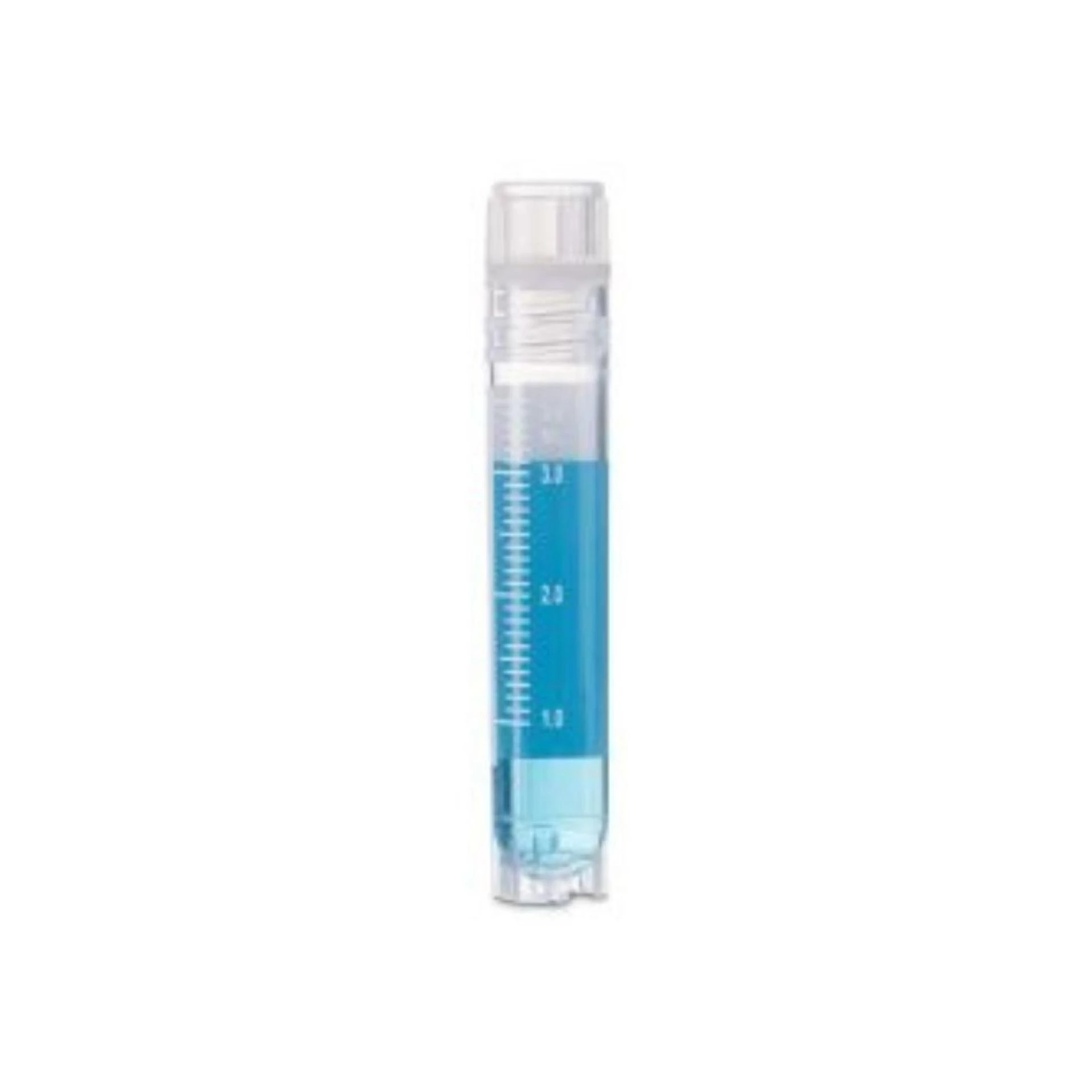

In modern laboratories, preserving biological samples at ultra-low temperatures is essential for research accuracy, medical diagnostics, and long-term storage. One of the most critical tools enabling this process is cryogenic storage tubes. These specialized containers are designed to safely store samples in extremely cold environments, often reaching temperatures as low as -196°C in liquid nitrogen.
In this comprehensive guide, we’ll explore how cryogenic storage tubes work, their key features, materials, applications, and best practices for ensuring safe and effective low-temperature storage.
What Are Cryogenic Storage Tubes?
Cryogenic storage tubes are specially designed laboratory containers used to store biological materials such as cells, tissues, DNA, RNA, and other sensitive samples at ultra-low temperatures. Unlike standard test tubes, these tubes are engineered to withstand extreme cold without cracking, leaking, or compromising sample integrity.
They are commonly used in:
- Biobanking
- Clinical laboratories
- Pharmaceutical research
- Cell culture and genetic studies
- Vaccine storage and development
Why Low-Temperature Storage Is Important
Low-temperature storage plays a crucial role in preserving the structure and function of biological samples.
Key Benefits:
- Prevents degradation: Slows down enzymatic and chemical reactions
- Maintains viability: Keeps cells and tissues alive for future use
- Ensures accuracy: Preserves original sample characteristics
- Enables long-term storage: Samples can be stored for years without damage
Without reliable cryogenic storage tubes, maintaining these conditions would be difficult and risky.
How Cryogenic Storage Tubes Are Designed to Work
The effectiveness of cryogenic storage tubes lies in their specialized design, which allows them to perform reliably under extreme conditions.
1. Durable Materials for Extreme Temperatures
Most cryogenic storage tubes are made from high-quality polypropylene (PP), a material known for:
- Excellent thermal stability
- Resistance to cracking at ultra-low temperatures
- Chemical resistance
- Durability during repeated freeze-thaw cycles
This ensures that the tubes remain intact even in liquid nitrogen environments.
2. Leak-Proof Sealing Mechanism
A key feature of cryogenic storage tubes is their secure sealing system.
Types of Caps:
- Internal thread caps: Reduce contamination risk by keeping threads inside
- External thread caps: Easier to handle with gloves
- O-ring seals: Provide an extra layer of leak protection
These sealing mechanisms prevent:
- Sample leakage
- Entry of contaminants
- Evaporation of stored material
3. Resistance to Thermal Expansion and Contraction
When exposed to rapid temperature changes, materials expand and contract. Cryogenic storage tubes are engineered to handle this stress without breaking.
This is crucial because:
- Samples are often moved between room temperature and ultra-low storage
- Sudden changes can cause standard containers to crack
The flexibility of polypropylene allows cryogenic storage tubes to adapt without structural failure.
4. Compatibility with Cryogenic Storage Systems
Cryogenic storage tubes are designed to fit seamlessly into storage systems such as:
- Liquid nitrogen tanks
- Ultra-low temperature freezers (-80°C)
- Cryoboxes and racks
Their standardized sizes ensure efficient organization and easy retrieval of samples.
5. Labeling and Identification Features
Proper sample identification is critical in laboratories. Most cryogenic storage tubes include:
- Writable surfaces
- Printed graduations
- Barcode compatibility
- Color-coded caps
These features help maintain accurate records and prevent sample mix-ups.
The Role of Cryogenic Storage Tubes in Liquid Nitrogen Storage
Liquid nitrogen storage is one of the most common uses of cryogenic storage tubes.
How It Works:
- Samples are placed inside the tubes
- Tubes are sealed tightly to prevent contamination
- They are stored in liquid nitrogen at -196°C or in the vapor phase
- The ultra-low temperature halts all biological activity
This process ensures that samples remain stable for extended periods.
Applications of Cryogenic Storage Tubes
Cryogenic storage tubes are widely used across various scientific and medical fields.
1. Biobanking
Biobanks store large volumes of biological samples for research and future use. These include:
- Blood samples
- Tissue samples
- DNA and RNA
2. Cell Culture and Cryopreservation
Cells are preserved using cryogenic storage tubes for later use in experiments or therapies.
3. Pharmaceutical Research
Drug development often requires long-term storage of compounds and biological materials.
4. Clinical Diagnostics
Hospitals and diagnostic labs use these tubes to store patient samples safely.
5. Vaccine Development
Vaccines often require storage at very low temperatures, making cryogenic storage tubes essential.
Best Practices for Using Cryogenic Storage Tubes
To maximize the effectiveness of cryogenic storage tubes, it’s important to follow proper handling and storage practices.
1. Use Proper Filling Volume
Avoid overfilling tubes, as liquids expand when frozen. Leave some space to prevent leakage or bursting.
2. Ensure Proper Sealing
Always tighten caps securely to avoid contamination and evaporation.
3. Label Clearly Before Freezing
Labeling becomes difficult at low temperatures, so always label tubes beforehand.
4. Avoid Repeated Freeze-Thaw Cycles
Frequent temperature changes can damage samples. Use aliquots to minimize this risk.
5. Follow Safety Guidelines
- Use protective gloves and eyewear
- Handle liquid nitrogen carefully
- Avoid direct contact with frozen surfaces
Common Mistakes to Avoid
Even with high-quality cryogenic storage tubes, mistakes can lead to sample loss.
Avoid These Errors:
- Using non-cryogenic tubes for ultra-low temperatures
- Over-tightening caps, which can cause cracking
- Improper labeling
- Storing incompatible chemicals
- Ignoring manufacturer guidelines
Choosing the Right Cryogenic Storage Tubes
Selecting the right cryogenic storage tubes depends on your specific needs.
Consider the Following:
- Temperature range requirements
- Type of sample
- Storage duration
- Compatibility with storage systems
- Sterility requirements
Choosing the right tubes ensures better sample protection and lab efficiency.
Future Trends in Cryogenic Storage Technology
Advancements in laboratory technology are improving the performance of cryogenic storage tubes.
Emerging Trends:
- Smart labeling with RFID and barcodes
- Improved sealing technologies
- Eco-friendly materials
- Enhanced durability for extreme conditions
These innovations are making sample storage more reliable and efficient.
Conclusion
Cryogenic storage tubes play a vital role in modern laboratories by enabling safe and effective storage of biological samples at ultra-low temperatures. Their specialized design, durable materials, and secure sealing mechanisms ensure that samples remain intact and uncontaminated over long periods.
Understanding how cryogenic storage tubes work helps laboratories maintain high standards of accuracy, safety, and efficiency. By choosing the right tubes and following best practices, you can protect valuable samples and support successful research outcomes.
Whether you are working in biobanking, clinical diagnostics, or pharmaceutical research, investing in high-quality cryogenic storage tubes is essential for reliable low-temperature storage.

























Sign in to leave a comment.