

What This Article Covers
This article explains the most common ultrasound services, including pregnancy, musculoskeletal, vascular, paediatric, and general scans, helping you understand what each type checks and when it may be recommended.
Why Different Ultrasound Scans Matter
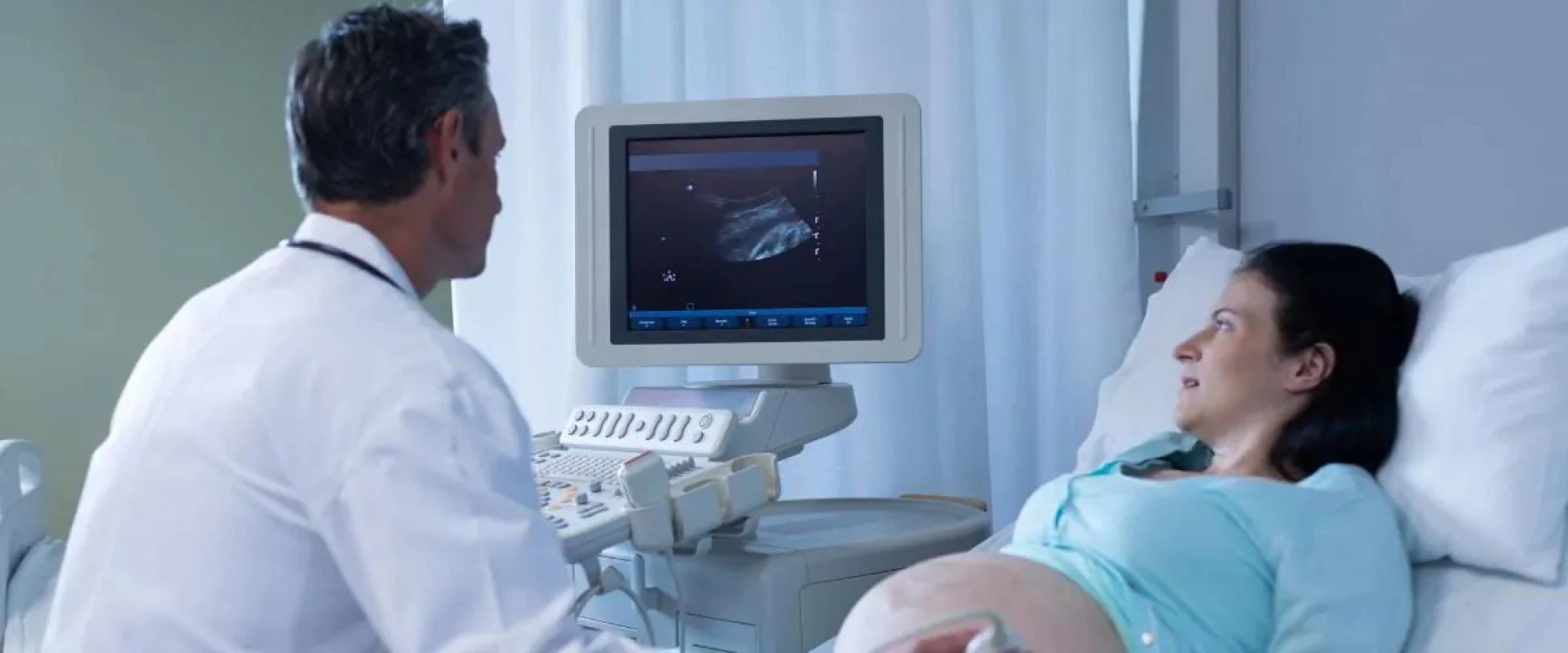
Have you ever walked into an ultrasound clinic a bit sceptical and not sure what to expect? For many of us, an ultrasound referral comes with more questions than answers. Despite being one of the most commonly used diagnostic tools in modern healthcare, ultrasound services are still largely a mystery to many. So, what exactly is an ultrasound, and what does it check? Well, ultrasound technology allows doctors to see inside the body in real time without the need for invasive procedures.
Whether it’s monitoring a pregnancy, investigating pain, or assessing internal organs, ultrasound scans provide a safe, non-invasive way to understand the cause of your symptoms and determine the treatment. Different symptoms call for different types of ultrasound scans, and knowing which is which can make all the difference. Here’s a simple guide to the different types of ultrasound scans and what each one is used for.
General Ultrasound: Checking Internal Organs
A general ultrasound is often what a doctor recommends when patients experience unexplained pain, swelling, or abnormal test results. General ultrasound scans help detect potential issues early and provide clarity on a wide range of health concerns. They include abdominal scans for the liver, pancreas, gall bladder, and spleen, pelvic scans that check the uterus and ovaries, and renal scans focused on kidney health. They may also include small parts ultrasound that covers areas such as the thyroid, breast, and testes.
Pregnancy (Obstetric) Ultrasound: Monitoring Your Baby’s Development
For expecting parents, pregnancy ultrasound scans are like a window to their child’s life inside the womb. Beyond making the parents feel connected to their baby, these scans also help monitor the baby’s growth, confirm development milestones, and provide reassurance at every stage. They include:
● Dating and viability scans in early pregnancy
● First-trimester screening, including nuchal translucency scans
● Morphology scans in the second trimester to assess development
● 3D and 4D scans for more detailed imaging
Each scan provides valuable insights while ensuring both the parent and baby are safe and well monitored.
Vascular / Doppler Ultrasound: Understanding Blood Flow
Vascular / Doppler ultrasound is used to assess heart health and blood flow in the body. Using Doppler technology, these scans help doctors evaluate circulation and detect potential issues related to blood vessels. Vascular / Doppler scans can help detect circulatory issues, evaluate the carotid arteries in the neck, examine leg veins for potential clotting, and assess blood flow in major vessels such as the abdominal aorta or renal arteries. Doctors often recommend them when there are concerns about circulation, swelling, or cardiovascular health.
Musculoskeletal Ultrasound: Assessing Joints and Soft Tissues
When you need to examine joints, muscles, and soft tissues, a musculoskeletal scan is your best option. These scans help evaluate conditions affecting the shoulder, wrist, elbow, hip, knee, ankle, and foot. They can also assist with identifying lumps, foreign bodies, or soft-tissue injuries. Doctors usually recommend these scans when pain or injury affects joint movement. They are commonly used for sports injuries, joint pain, or ongoing discomfort that needs further evaluation.
Paediatric Ultrasound: Gentle Imaging for Children
Paediatric ultrasound services are especially suitable for infants and children because they are safe, painless, and non-invasive. The focus is always on ensuring children feel comfortable and at ease during the process. They help monitor development and detect potential concerns early. These scans are used to assess areas such as the abdomen, kidneys, or hips.
Ultrasound-Guided Procedures: Precision and Accuracy
In some cases, ultrasound is used not just for diagnosis but also to guide medical procedures. With real-time ultrasound guidance, our specialists can clearly visualise the needle on screen, which improves treatment accuracy and reduces patient discomfort. It may include:
● Corticosteroid injections for targeted relief from pain and inflammation in joints, tendons, and soft tissues.
● Precise needle guidance in thyroid and breast biopsies to aid collecting sample from thyroid nodules and breast lesions.
● Ensure safe, guided removal of fluid from cysts, abscesses, or other collections.
With interventional treatments, absolute precision and minimal invasiveness are essential. Using ultrasound guidance helps make these procedures safer and more precise.
FibroScan: A Non-Invasive Liver Assessment
FibroScan is a specialised type of ultrasound used to assess liver health. It measures liver stiffness and fatty changes without the need for invasive procedures. This scan can help detect and measure the stiffness of the liver and fatty changes for early detection and grading of cirrhosis or liver scarring. It can also help manage Hepatitis, Fatty Liver Disease, or alcohol-related conditions. It offers a comfortable alternative to traditional diagnostic methods while providing reliable results.
Final Thoughts
Ultrasound scans are incredibly versatile, covering everything from pregnancy monitoring to injury assessment and organ health. The type of scan you need will depend on your symptoms and your doctor’s recommendation, but all ultrasounds share one key advantage: they are safe, non-invasive, and highly effective.
Access to bulk bill ultrasound services has also made these essential scans more affordable for many patients, reducing financial stress while ensuring timely diagnosis. If you’ve been referred for a scan, choosing a reliable ultrasound clinic, like Insight Diagnostic Imaging, that offers bulk bill ultrasound options can make the entire experience smoother and more accessible.
Frequently Asked Questions
Q. Do I need a referral for an ultrasound?
A: Most ultrasound scans require a referral from your GP or specialist. This ensures the imaging performed is appropriate for your medical needs.
Q. Are bulk bill ultrasound services available?
A: Yes. Many scans may qualify for bulk bill ultrasound services for eligible patients with a valid referral. Our team can confirm eligibility when you book your appointment.
Q. How long does an ultrasound appointment take?
A: Most ultrasound scans take around 15–30 minutes, depending on the type of imaging required.
Q. What should I bring to my appointment?
A: Please bring your referral, Medicare card, and any previous imaging reports if available.
Q. Are ultrasound scans safe?
A: Yes. Ultrasound imaging is a safe, non-invasive diagnostic technique widely used to monitor organs, tissues, and pregnancy development.






























Sign in to leave a comment.