

Accurate air-data measurements are fundamental to safe aircraft operation. Pitot-static systems supply pressure information used by critical flight instruments, including airspeed indicators, altimeters, and altitude-reporting equipment. Because even a small leak, restriction, or pressure error can affect instrument indications, reliable testing equipment is an important part of professional aircraft maintenance.
For maintenance organizations, MRO facilities, repair stations, and aviation technicians, a digital pitot static tester can provide a practical way to measure and verify pressure-system performance with greater precision and easier data interpretation.
Why Pitot-Static Testing Matters
The Federal Aviation Administration (FAA) requires specific testing of static pressure systems, altimeters, and automatic pressure altitude-reporting systems for aircraft operating under IFR in controlled airspace. Under 14 CFR §91.411, these systems generally require testing within the preceding 24 calendar months, with additional testing required after certain maintenance involving the static system or altitude-reporting equipment.
These requirements demonstrate why dependable test equipment is more than a convenience. Proper testing helps technicians identify leaks, restrictions, pressure instability, and other conditions that could compromise aircraft instrumentation.
Advantages of Digital Pitot-Static Test Equipment
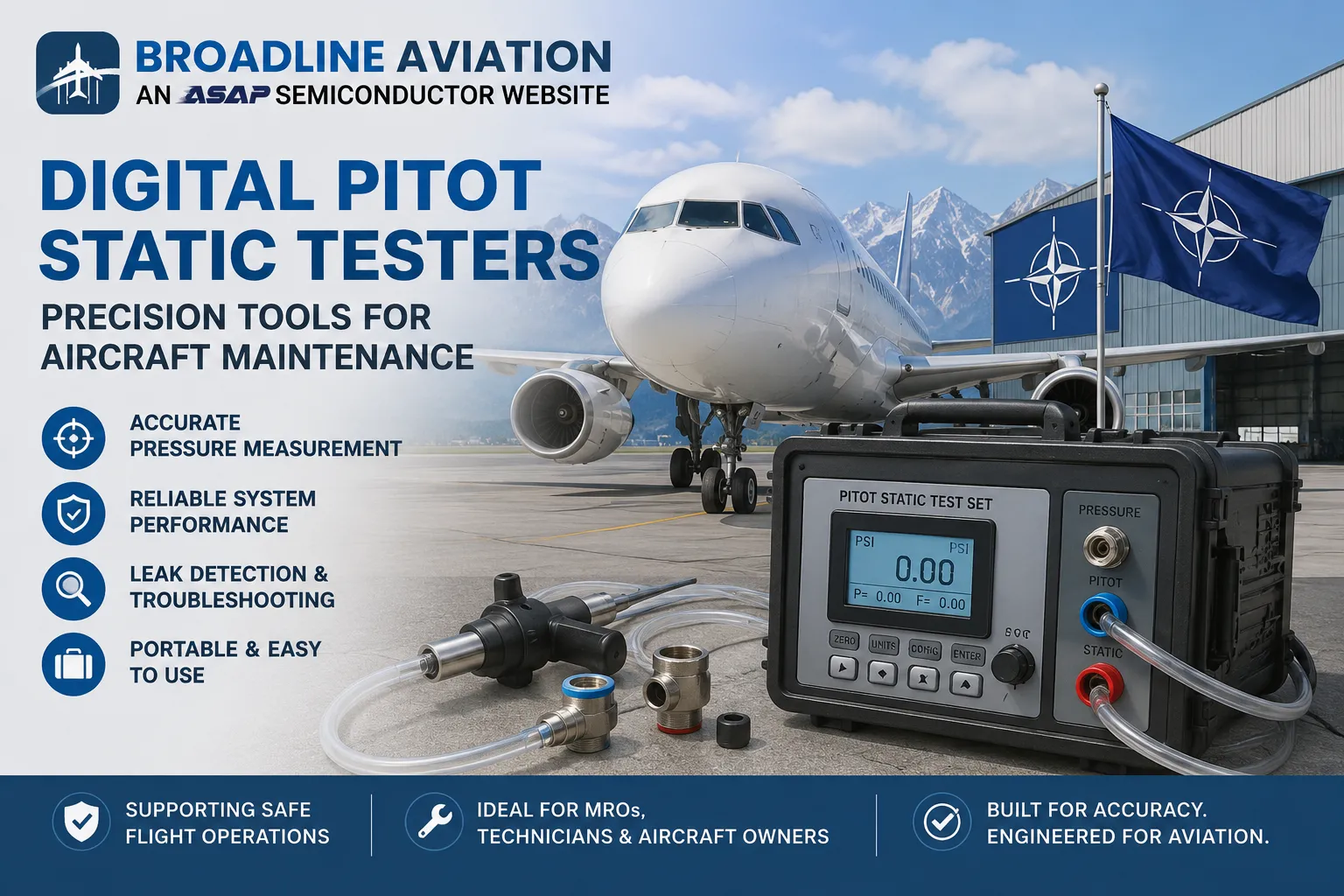
Modern digital testers can simplify pressure-system verification by providing electronic measurement and display capabilities. Depending on the equipment configuration, a digital tester may support testing of pitot pressure, static pressure, altitude, and airspeed-related parameters.
Key advantages can include:
- Precise pressure measurement: Digital instrumentation can make small pressure changes easier to observe.
- Clear readings: Electronic displays can reduce interpretation difficulties associated with analog gauges.
- Efficient troubleshooting: Technicians can monitor pressure behavior while investigating suspected leaks or system restrictions.
- Repeatable testing: Consistent measurement procedures can support maintenance quality and documentation.
- Portable operation: Certain units are designed for use in hangars, maintenance facilities, and field environments.
The FAA's airframe maintenance handbook specifically illustrates both analog and digital pitot-static test units and emphasizes that testing methods depend on the aircraft, its pitot-static configuration, and available equipment.
Selecting the Right Tester
Choosing a tester should begin with the aircraft's maintenance documentation and the intended testing requirements. Technicians should verify pressure ranges, accuracy specifications, applicable aircraft interfaces, calibration requirements, and compatibility with the aircraft's instrumentation.
FAA regulations also emphasize using the aircraft manufacturer's current maintenance instructions or acceptable methods, techniques, and practices, together with the necessary tools and test equipment.
A suitable tester should therefore be selected based on technical requirements rather than simply choosing the newest or most feature-rich device.
Maintenance and Safety Considerations
Pitot-static testing requires controlled application and release of pressure. FAA guidance warns technicians to avoid exceeding the design limits of connected instruments and recommends applying and releasing pressure slowly to prevent damage. It also stresses checking test equipment for leaks before testing the aircraft system.
Technicians should follow approved aircraft-specific procedures, use properly calibrated equipment, and maintain appropriate inspection and calibration records. Equipment condition is particularly important because an inaccurate test instrument can produce misleading maintenance results.
Choosing a Reliable Aviation Parts Source
When sourcing specialized maintenance equipment, buyers should evaluate product specifications, traceability, availability, documentation, and supplier experience. Aviation organizations can also review available Tester Pitot Static Digital equipment through Broadline Aviation when identifying suitable components for their maintenance requirements.
For procurement teams, submitting an RFQ with the required part number, quantity, aircraft application, certification requirements, and delivery expectations can help suppliers provide a more accurate quotation.
Conclusion
Digital pitot-static testers support an essential area of aircraft maintenance by helping technicians evaluate pressure systems and associated flight instrumentation. Their value comes from accurate measurement, efficient troubleshooting, and compatibility with established maintenance procedures.
For U.S. aviation organizations, the best approach is to combine appropriate test equipment with current FAA requirements, manufacturer instructions, qualified personnel, and disciplined maintenance practices. This combination helps support reliable air-data systems and continued aircraft airworthiness.



























Sign in to leave a comment.