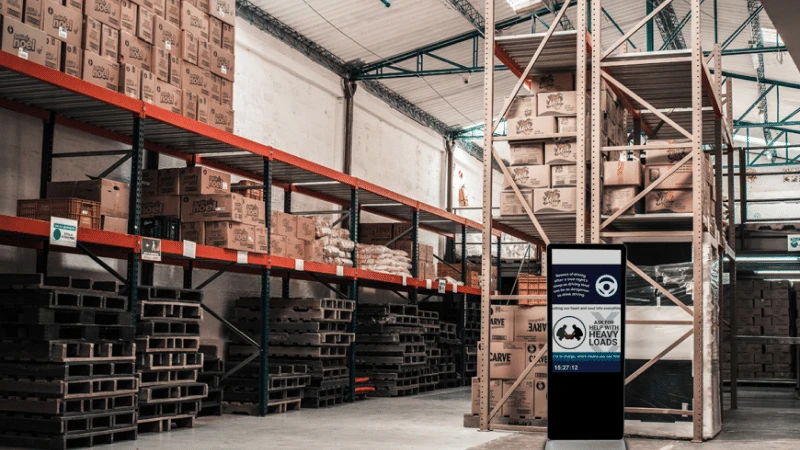

Digital signage is transforming industries by revolutionizing the way information is communicated in the workplace. In the manufacturing sector, where operational efficiency and communication are paramount, digital signage offers a powerful solution. It enhances the flow of information, improves safety, boosts productivity, and fosters a more engaged workforce. This essay explores the myriad ways digital signage optimizes operational communication in the manufacturing industry.
Enhancing Real-Time Communication
One of the primary benefits of digital signage in manufacturing is its ability to provide real-time information. Traditional communication methods, such as bulletin boards or paper notices, often fail to convey urgent updates promptly. Digital signage, however, can be updated instantly, ensuring that all employees have access to the latest information.
Production Updates: Manufacturing processes are dynamic and often subject to rapid changes. Digital signage can display real-time production metrics, such as output rates, machine performance, and inventory levels. This immediate access to data enables managers and workers to make informed decisions quickly, thereby reducing downtime and increasing efficiency.
Shift Schedules and Employee Information: Digital displays can show shift schedules, break times, and other employee-related information. This ensures that all workers are aware of their schedules and any changes, reducing confusion and improving workforce management.
Improving Safety and Compliance
Safety is a critical concern in manufacturing environments. Digital signage plays a crucial role in enhancing workplace safety by providing timely and clear safety information.
Safety Alerts and Notifications: Digital signs can be used to broadcast safety alerts, such as hazard warnings or emergency evacuation procedures. These alerts can be location-specific, ensuring that employees in affected areas receive the necessary information immediately.
Training and Compliance: Digital signage can be utilized for continuous safety training and reminders. By displaying safety tips, best practices, and compliance information, companies can foster a culture of safety and ensure that workers are always aware of the latest regulations and procedures.
Boosting Productivity and Efficiency
Digital signage contributes significantly to productivity by streamlining communication and providing actionable insights.
Performance Metrics and KPIs: Displaying key performance indicators (KPIs) and other performance metrics on digital screens helps employees stay focused on their targets. It creates a transparent environment where everyone is aware of the goals and their progress towards achieving them.
Visual Work Instructions: Digital signage can display work instructions, diagrams, and videos that guide workers through complex tasks. This reduces the likelihood of errors, speeds up the learning curve for new employees, and ensures consistency in production processes.
Enhancing Employee Engagement and Morale
A well-informed workforce is more engaged and motivated. Digital signage fosters better communication and engagement among employees.
Company News and Announcements: Keeping employees informed about company news, achievements, and events helps build a sense of community and belonging. Digital signage can be used to share updates, celebrate milestones, and recognize employee achievements.
Interactive and Social Features: Some digital signage solutions offer interactive features, such as surveys or social media integration. These features encourage employee participation and feedback, creating a more inclusive and engaged workplace culture.
Streamlining Internal Communication
Effective internal communication is vital for operational success in manufacturing. Digital signage helps streamline internal communication channels.
Centralized Communication Platform: Digital signage serves as a centralized platform for disseminating information. This ensures consistency in messaging and reduces the risk of miscommunication.
Multi-Language Support: In diverse workplaces, language barriers can hinder effective communication. Digital signage can support multiple languages, ensuring that all employees understand the messages being conveyed.
Facilitating Continuous Improvement
Continuous improvement is a cornerstone of successful manufacturing operations. Digital signage supports this by providing the tools needed for ongoing optimization.
Data Visualization and Analysis: Digital signage systems can integrate with other digital tools to visualize data trends and analytics. This helps managers identify areas for improvement and make data-driven decisions to optimize processes.
Feedback and Suggestions: Digital signage can facilitate a feedback loop by encouraging employees to submit suggestions for improvement. This fosters a culture of continuous improvement and innovation.
Case Studies and Real-World Examples
Several manufacturers have successfully implemented digital signage to enhance operational communication. For instance, Toyota's use of digital signage in their production facilities has resulted in improved efficiency and safety. By displaying real-time production data and safety alerts, Toyota ensures that its workforce is always informed and aligned with operational goals.
Another example is Ford Motor Company, which uses digital signage to provide workers with visual work instructions and performance metrics. This has led to a reduction in errors and an increase in overall productivity.
Challenges and Considerations
While digital signage offers numerous benefits, its implementation comes with challenges. These include the initial cost of installation, the need for ongoing maintenance, and the requirement for reliable network infrastructure. Manufacturers must also ensure that the content displayed is relevant and updated regularly to maintain its effectiveness.
Future Trends
The future of digital signage in manufacturing looks promising, with advancements in technology driving further innovation. The integration of artificial intelligence and machine learning can enhance the capabilities of digital signage systems, enabling predictive analytics and more personalized communication.
Moreover, the rise of the Internet of Things (IoT) will likely lead to more interconnected and intelligent digital signage solutions. These systems will be able to pull data from various sources and provide more comprehensive and actionable insights.
Conclusion
Digital signage software has revolutionized operational communication in the manufacturing industry, where safety and efficiency are paramount. By harnessing the power of real-time information, organizations can significantly enhance employee engagement, safety notifications, and training. This technology allows companies to unlock the full potential of their workforce, displaying live KPI data, promoting a safety-first culture, recognizing employee achievements, and facilitating training experiences. Digital signage solutions streamline the communication cycle within organizations, leading to a more informed and productive workforce that drives success in manufacturing companies.
As a leading development company, Nextbrain Technologies takes a proactive approach to building world-class digital signage solutions tailored for manufacturing businesses. With extensive experience serving clients globally, Nextbrain's skilled developers possess the expertise to create custom digital signage solutions that meet specific business needs. Connect with our experts to gain comprehensive insights into our digital signage solutions.























Sign in to leave a comment.