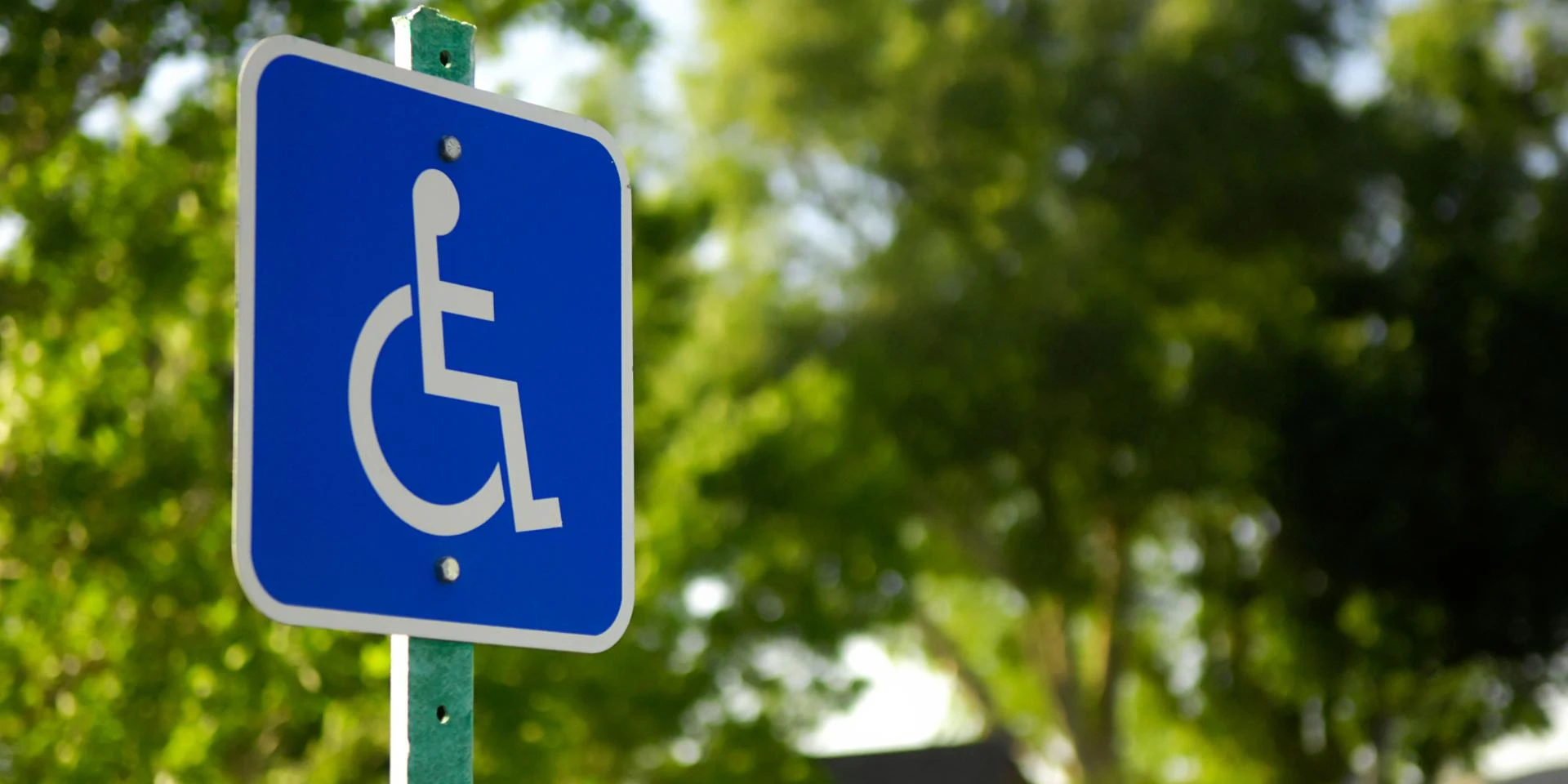

Universal disability wheelchair symbols indicate and help people navigate through spaces with confidence and dignity. In times where one must describe information verbally, these visual representations quickly convey key accessibility information without additional explanation. Handicap wheelchair signs have emerged as internationally known markers that do not depend on barriers or cultural differences. Today, accessibility is a major aspect in making the society more inclusive for all.
The Evolution and Importance of Accessibility Signage
The International Symbol of Access (ISA) has over 50 years of history in the accessibility movement. Originally, this symbol was made by Danish design student Susanne Koefoed in the 1960s. The classic design features a blue background and a white icon of a person in a wheelchair. You can find the handicapped seating sign in many locations such as parking lots, entrances, washrooms and other accessible facilities.
In recent months, the Accessible Icon Project has put forward a redesign known as the Dynamic Symbol of Access. This latest version is supposed to be a better version of the original, but many accessibility advocates note its limitations. While the wheelchair symbol is significant, it is only one type of experience. There are many people with invisible disabilities who should also be regarded and accommodated equally.
Accessible design principles include clear signage along with many others. Disability wheelchair symbols must be readily noticeable and universally understood. Furthermore, this symbol often uses Braille in order to make information more accessible to a wider listening audience.
Types and Applications of Accessibility Symbols
There are handicap wheelchair signs seen in various cases used for different purposes. Directional signs help people to walk to accessible routes, while the locational signs identify specific accessible facilities. There are informative signs informing about available services or accommodations. Together, these form an all encompassing way of navigating for people with mobility challenges. There are different approaches needed for signage for different accessible areas.
- Accessible Pathways and Entrances
Handicapped seating signs appear on entranceways and walkways to show the barrier free route. These symbols will be more visible if there is adequate lighting around them. Wheelchair users can easily maneuver on smooth surfaces with no obstacles. These pathways link into the accessible parking spaces marked with prominent disability wheelchair symbols.
- Accessible Restrooms and Facilities
The handicap wheelchair sign is on all accessible toilets. Some of the facilities are grab bars near toilets, adequate space for wheelchair transfers and fixtures at the appropriate heights. There are emergency call buttons for extra safety measures. A well constructed restroom aids in providing a sense of independence and dignity to users with mobility challenges.
- Transportation and Public Spaces
Disability wheelchair symbols are used by public transportation systems to mark designated seating areas. They help operators and other passengers recognize priority spaces. The same applies to the handicapped seating signs that are commonly seen in theaters, restaurants, and other public venues, which signal reserved places that are meant for wheelchair accessibility.
Design Standards for Accessible Environments
Beyond mere symbols, truly accessible environments incorporate comprehensive design elements. Accessible controls and lowered switches allow the wheelchair users to independently control their surroundings. There should be accessible designs of emergency exits accompanied by proper signs. Flooring materials that are smooth facilitate easier wheelchair movement through spaces.
Not only should wheelchair users benefit from it, but it is an accessible design for all. Barrier-free environments are appreciated by parents of strollers, elderly individuals, and people with temporary injuries. Moreover, most jurisdictions see inclusive design as a moral and legal duty. The implementation of disability wheelchair symbols shows commitment toward equality and respect.
Beyond the Symbol: Understanding Disability Diversity
Handicap wheelchair signs are important in signaling visually, but disability is about more than just wheelchair use. Most disabilities are invisible to casual observers. A person might not have a chronic illness, visual impairments, hearing loss, or cognitive differences, and these might not have physical markers. The reality of this shows the need for issues that go beyond conclusive physical accommodation planning.
For example, a person with a chronic illness may want a spot reserved for mobility users on public transport without those mobility aids. Others may not know they are legitimate without visible indicators such as a white cane or wheelchair. In this scenario, it is clear that symbolic representation of accessibility alone is no longer enough.
Disability is on a spectrum and is experienced individually. Two people will have identical medical diagnoses, but will need completely different accommodation. For that reason, accessible environments need flexibility and a variety of accommodation options rather than a one size fits all solution.
Universal Communication Through Symbols
Handicapped seating signs are universal communication tools that speak to all language barriers. Even with foreign languages, their recognizable design makes it easy to understand the design from one glance. Since disability wheelchair symbols are universal, they are especially useful in international contexts such as airports, tourist destinations, and global events. Handicap wheelchair signs are simple, clear, and recognized immediately. Instant communication makes life a lot easier for people with disabilities as they navigate an unfamiliar environment more confidently and independently.
Practical Applications in Public and Private Spaces
Displaying disability wheelchair symbols appropriately benefits commercial establishments. Restaurants, stores, theaters, and offices that prominently feature them show their commitment to inclusive service. These symbols are also meaningful beyond legal compliance, as they are a welcoming attitude to diverse customers.
Accessible parking spaces must be designated with prominent handicapped seating signs. They need specific dimensions to allow wheelchair accessible vehicles to enter into these spaces. Proper signage helps in preventing misuse of these designated spaces by unauthorized individuals.
Accessibility features can also be found in home environments. Wider doorways, smooth transitions between rooms, and strategically placed furniture create navigable spaces. Formal disability wheelchair symbols may not be seen on private homes, but they can put these design principles into place anyway.
Conclusion
Disability wheelchair symbols serve as powerful visual communicators in an increasingly accessible world. Handicap wheelchair signs provide essential navigational guidance for people with mobility challenges. Similarly, handicapped seating signs help reserve appropriate spaces in public venues.
Businesses and organizations looking to enhance accessibility should consider contacting We Care Symbol for professional signage solutions. Their voluntary decal program offers an affordable way to demonstrate commitment to accessibility. Remember that true accessibility extends beyond symbols to comprehensive environmental design. By implementing thoughtful accommodations and clearly marking them with appropriate disability wheelchair symbols, spaces become genuinely welcoming to everyone regardless of ability level.





























Sign in to leave a comment.