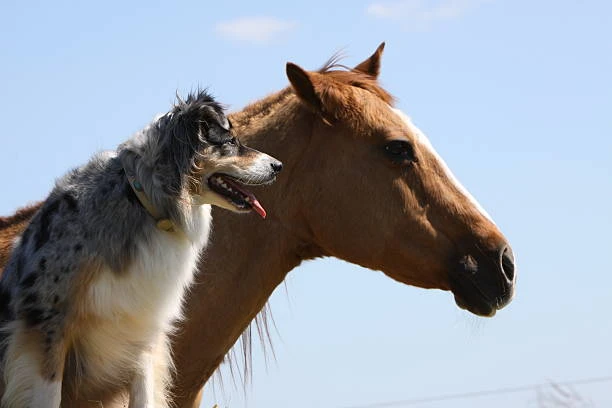

When I first heard about equine therapy, I imagined a horse wearing glasses, nodding sympathetically, and scribbling notes with its hoof. (Turns out, that’s not quite how it works. Go figure.) But after working with patients for years, especially those carrying the invisible weight of trauma, I’ve come to see equine therapy as one of the most unexpectedly effective tools in the mental health toolbox.
It’s not about riding. It’s not about performing. It’s about connection — raw, real, and sometimes a little slobbery. So saddle up (emotionally, not literally) as we explore why horses might just be the therapists you didn’t know you needed.
Horses Don't Judge – They Just Feel
Humans are complicated. We come with opinions, biases, and unfortunately, TikTok accounts. Horses? They operate entirely on energy and body language. If you’re anxious, shut down, or unsure, they’ll feel it. They won’t call you out — they’ll just react honestly, and in doing so, give you a mirror to your inner world.
One of my patients once said, “That horse read me better than my last three therapists combined.” Ouch... but fair.
Trauma Disconnects. Horses Reconnect.
Trauma, especially early or complex trauma, often creates a split between mind and body. You survive by tuning out, dissociating, numbing. Horses don’t allow that — not in a harsh way, but in a grounding way.
Simply standing near a horse, brushing it, walking beside it, can reawaken the senses. You feel warmth. You hear breathing. You smell hay and… well, let’s call it “earthy.” You’re pulled out of your head and into the now. That’s where healing begins.
Regulation Is Contagious (and Horses Have a Calm You Can Catch)
Horses are prey animals. That means they’re constantly tuned in, but they’re also masters at conserving energy. A calm horse is the ultimate example of nervous system regulation — and if you hang around long enough, your nervous system starts to mimic theirs.
I’ve watched tightly wound adults begin to breathe deeply without realizing it. Teens who live in fight-or-flight mode melt into a sense of safety, just by stroking a horse’s neck. No deep breathing apps required.
The Nonverbal Bond Speaks Volumes
Not everyone is ready to talk about their trauma. Some don’t even have the words. That’s where equine therapy shines. Horses don’t need your story — they need your presence. That’s it. They’ll meet you wherever you are.
One teenage patient spent six sessions in silence, sitting across the paddock from a horse named Lucky. On the seventh session, the horse walked over and rested his head on her shoulder. She cried — not because she was sad, but because for the first time in years, she felt safe.
Horses Teach Boundaries (and Won’t Apologize for Needing Space)
If you crowd a horse, it’ll step away. If you give too much distance, it may approach. The interaction is pure, respectful, and nonverbal. For patients with a history of abuse or boundary violations, this is revelatory.
They learn — sometimes for the first time — that their energy matters. That setting boundaries doesn’t mean rejection. That asking for space doesn’t make them unlovable. And they learn it from a 1,200-pound animal with zero emotional baggage.
Confidence Comes in Hooves
There’s something profoundly empowering about leading a horse across an arena. You don’t do it by yanking a rope — you do it by intention, energy, and trust. For someone whose trauma left them feeling powerless, it’s a game changer.
It’s not about control. It’s about relationship. And when that relationship is earned, not forced, it redefines how patients view themselves.
And Yes, There's Joy Too
Trauma robs people of joy. But horses have a way of bringing it back. Whether it’s a goofy snort, a playful toss of the mane, or the moment a horse decides your jacket is a snack, there’s laughter in the paddock.
Healing doesn’t always look like tears and breakthroughs. Sometimes, it looks like a muddy boot and a smile that hasn’t shown up in years.
Final Thoughts From the Barn
Equine therapy isn’t magic. It’s not a quick fix or a substitute for talk therapy or medication. But for trauma survivors, it offers something precious: safety, presence, and connection without expectation. And let’s be honest — who couldn’t use a little more of that?
Plus, it’s hard to stay emotionally closed off when a horse is licking your hand and staring into your soul. Trust me. I’ve seen it. I’ve lived it. And yes, I’ve got the horse hair on my pants to prove it.




























Sign in to leave a comment.