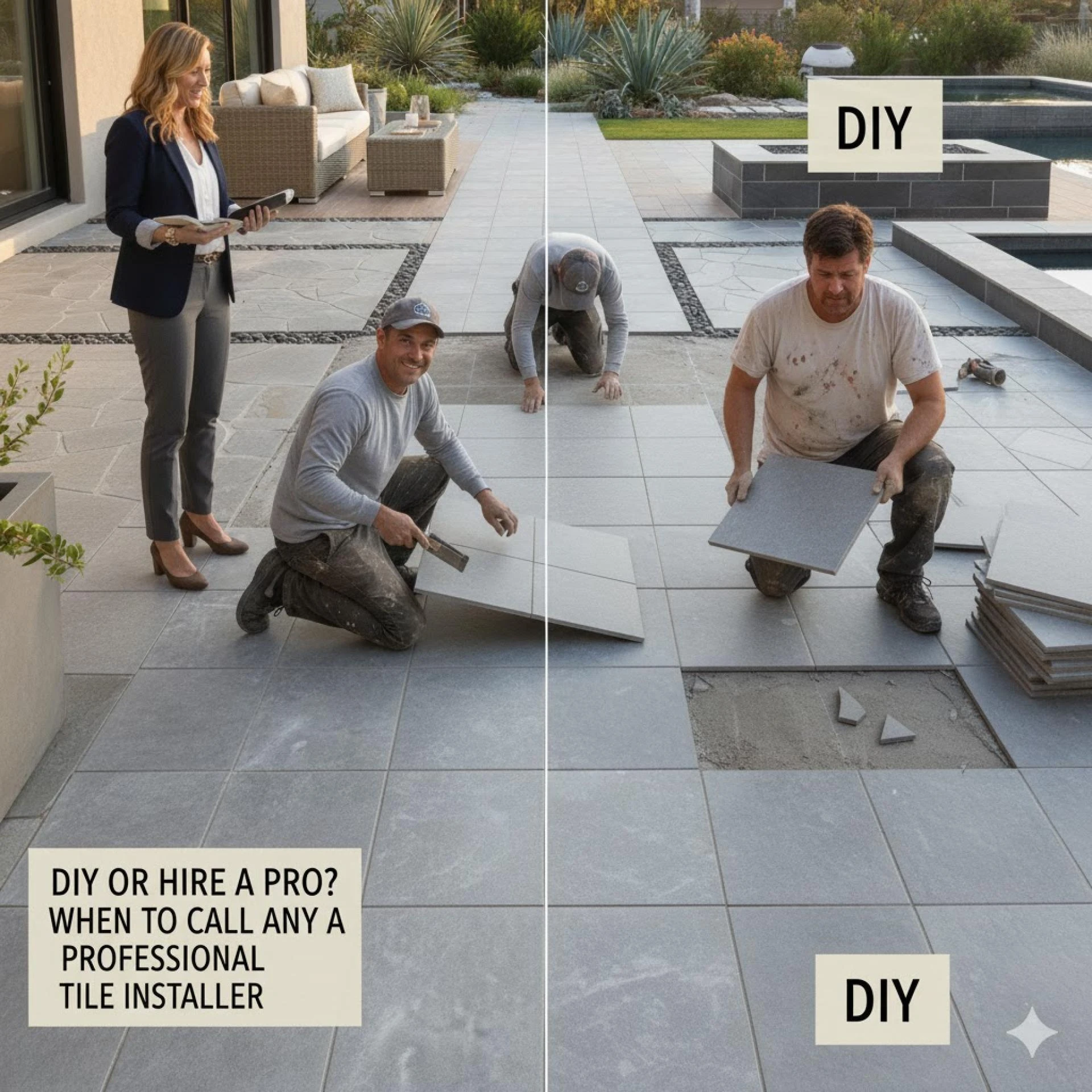

Tiling is one of those home improvement projects that looks deceptively simple — a few tiles, some grout, and you’re good to go, right? Not quite. While DIY tile installation can save you money and give you a sense of accomplishment, it’s not always the best option. Poorly laid tiles can lead to uneven surfaces, cracking, water damage, and costly repairs later.
So, how do you know whether to tackle it yourself or call a professional tile installer? The answer depends on several key factors: your experience, the complexity of the project, your budget, and the long-term results you’re after.
Let’s break it down so you can make the smartest choice for your home and your wallet.
1. The Appeal of DIY Tile Installation
There’s no denying the satisfaction that comes from completing a home project on your own. DIY tile installation offers some real advantages:
- Cost savings – You’ll avoid labor fees, which can make up a large portion of the total project cost.
- Creative control – You can choose materials, patterns, and layouts exactly how you like them.
- Learning experience – It’s a great way to develop a valuable skill and take pride in your handiwork.
For smaller, low-risk projects — like a backsplash, powder room, or laundry area — DIY might be a fun and manageable option.
However, before you grab that trowel, it’s important to understand what you’re getting into.
2. The Hidden Challenges of DIY Tiling
Tiling requires more than just patience — it requires precision, knowledge, and proper tools. Here are some of the biggest challenges DIYers face:
- Uneven surfaces – Without proper leveling and prep work, tiles can end up crooked or cracked.
- Incorrect adhesive or grout – Using the wrong materials can cause tiles to lift, shift, or stain.
- Inconsistent spacing – Even small alignment errors can ruin the overall look of your design.
- Poor waterproofing – Bathrooms, kitchens, and outdoor areas demand moisture barriers to prevent damage.
- Time commitment – Tiling takes longer than expected, especially for beginners.
If you make mistakes, the cost of redoing the job (and possibly buying more tile) can easily outweigh the initial savings.
Bottom line: DIY tiling works best when you’re confident in your skills — or willing to practice on a small, low-stakes area first.
3. When DIY Makes Sense
You don’t need to call a pro for every tiling task. Here are some situations where a DIY approach can work perfectly fine:
- Small decorative projects like accent walls or backsplashes.
- Flat, even surfaces with minimal cuts or obstacles.
- Dry areas that don’t require waterproofing (e.g., living room floors).
- Basic materials like ceramic or peel-and-stick tiles.
- Plenty of time to research, plan, and complete the project carefully.
If you’re patient, detail-oriented, and comfortable with basic tools, DIY can be a rewarding way to refresh your space without breaking the bank.
4. When It’s Time to Call a Professional Tile Installer
Certain tile projects simply demand professional expertise. A seasoned tile installer has the tools, training, and experience to ensure a durable, flawless finish. You should hire a pro when:
a. The Area Requires Waterproofing
Spaces like bathrooms, showers, and patios need proper waterproof membranes and sealants. One mistake here can lead to leaks, mold, and structural damage.
b. You’re Using Expensive or Specialty Tiles
Natural stone, marble, and large-format tiles require precision cuts and expert handling. A pro knows how to install these materials without waste or damage.
c. The Layout Is Complex
If your project involves patterns, borders, mosaics, or intricate layouts, professional alignment and centering are critical.
d. The Surface Isn’t Level
Uneven floors or walls need correction before installation. Professionals can level, patch, or reinforce substrates properly to prevent future cracking.
e. You’re Short on Time or Tools
Tiling isn’t a quick job, and buying specialized equipment can add up. Hiring a pro often saves time — and sometimes even money — in the long run.
In short: If you want a high-end, long-lasting result, a professional tile installer is worth every penny.
5. The Advantages of Hiring a Professional Tile Installer
Hiring a professional comes with several important benefits that DIY just can’t match:
- Precision and experience – Pros handle complex cuts, layouts, and finishes with ease.
- Access to proper tools and materials – They know exactly what products work best for each surface and tile type.
- Faster turnaround – Experienced installers work efficiently while maintaining high standards.
- Warranty or guarantee – Many pros offer a warranty on workmanship, giving you peace of mind.
- Flawless results – No uneven grout lines, chipped edges, or visible mistakes.
A professional installation may cost more upfront, but it ensures your tilework will look better and last longer, protecting your investment.
6. How to Choose the Right Professional Installer
If you decide to go pro, don’t just hire the first contractor you find. Look for:
- Licensing and insurance (always non-negotiable)
- Experience with your tile type and layout
- Positive reviews and references
- A detailed written estimate outlining costs and timelines
- A clear communication style
Take the time to interview a few candidates. The best installers are happy to answer your questions and show examples of past work.
7. Combining DIY and Professional Work
Here’s a smart compromise — do the prep work yourself and let the pros handle the installation. You can:
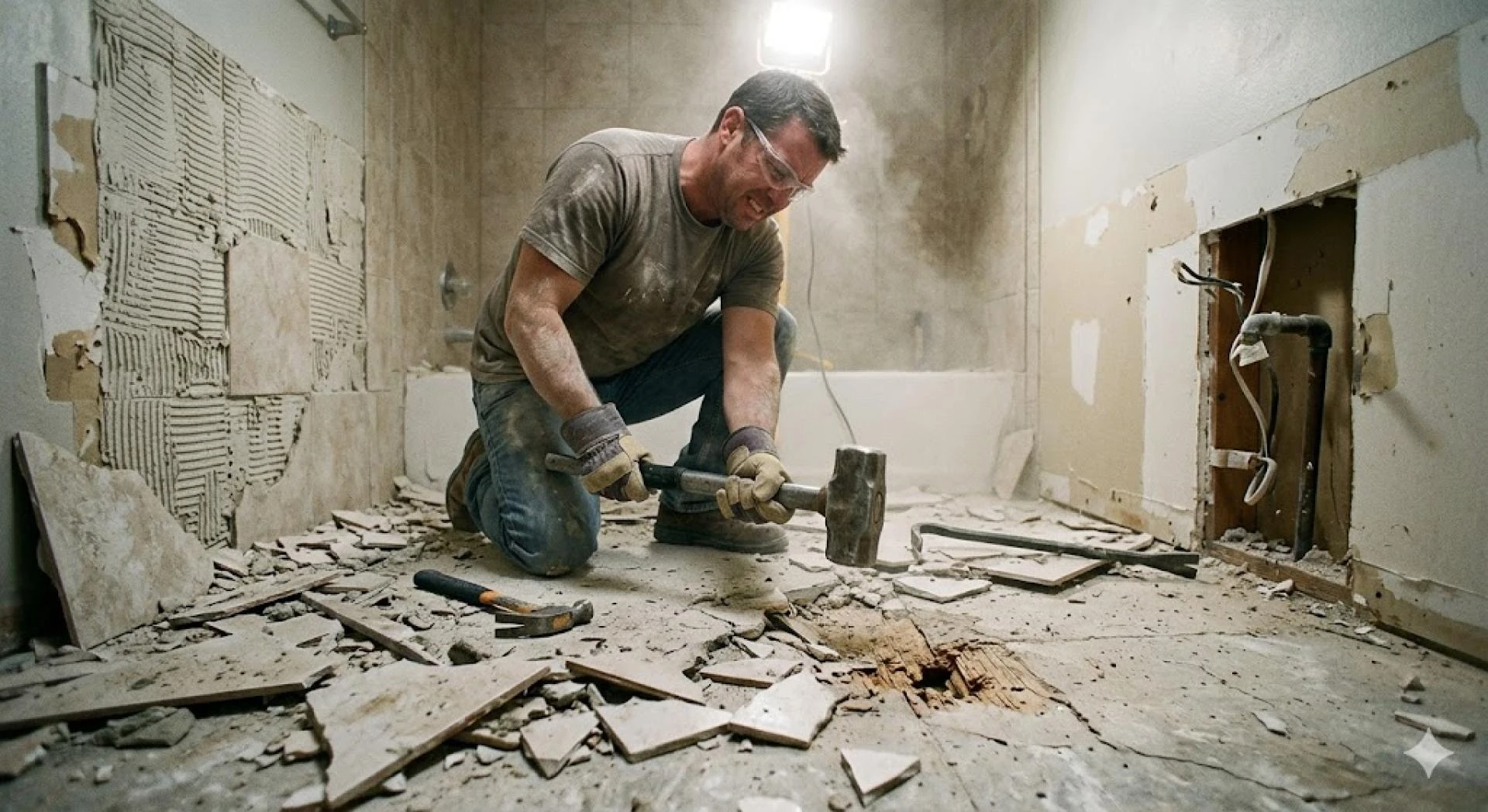
- Remove old tiles or flooring
- Clean and level the surface
- Purchase and transport the tiles
This hybrid approach saves money while still ensuring a professional-quality finish where it matters most.
8. Common Mistakes DIYers Make (and How Pros Avoid Them)
If you’re leaning toward a DIY approach, be aware of these common pitfalls:
- Not planning a centered layout, resulting in uneven edges.
- Mixing grout inconsistently or skipping sealant.
- Forgetting to leave expansion joints for movement.
- Using the wrong trowel size or adhesive type.
- Rushing the drying time before grouting.
Professional tile installers have years of experience avoiding these issues — and their results speak for themselves.
9. The Long-Term View: Quality, Durability, and Value
Think beyond the initial project. Tiles installed correctly can last 20–30 years or more, while a poor job may start showing issues within months.
Professionally installed tile increases property value, enhances aesthetics, and reduces maintenance costs over time. DIY projects, while satisfying, might not always deliver the same long-term stability — especially in high-moisture or heavy-traffic areas.
When you consider the full lifespan of your tilework, professional installation often provides the best return on investment.
Conclusion: Know When to DIY — and When to Call the Pros
Tiling can transform your home — but only if it’s done right. DIY tile installation is great for small, simple projects where you can take your time and learn as you go. But when it comes to large, intricate, or moisture-sensitive areas, hiring a professional tile installer is the smarter, safer choice.
A pro brings the expertise, precision, and peace of mind that guarantee your new tiles will look beautiful and last for years.
So before you start mixing mortar, take a moment to ask yourself: Is this a job for me — or for a professional? Sometimes, the best DIY decision is knowing when not to DIY at all. For reliable, high-quality results you can trust, visit Salem Tile Setters — where expert craftsmanship meets lasting beauty.






















Sign in to leave a comment.