
Fibroids are a common condition that can affect many women, often leading to symptoms like heavy menstrual bleeding, pelvic pain, and fatigue. While these symptoms can be manageable at first, they can sometimes lead to more serious health issues, including anemia. Understanding how fibroids and anemia are connected is important for maintaining your overall health.
For more detailed insights, Do Fibroids Cause Anemia explains how fibroids may contribute to low iron levels and what you can do to treat them.
What Is Anemia?
Anemia is a condition where the body does not have enough healthy red blood cells to carry oxygen efficiently. This is often caused by iron deficiency, which can result from continuous blood loss over time.
Common symptoms of anemia include:
- Persistent fatigue or weakness
- Dizziness or lightheadedness
- Shortness of breath
- Pale skin or low energy levels
If not addressed, anemia can impact daily activities and overall well-being.
How Fibroids Are Linked to Anemia
Fibroids can cause anemia mainly due to heavy or prolonged menstrual bleeding. Some fibroids increase the size of the uterine lining or disrupt normal uterine contractions, which leads to excessive blood loss during periods.
Over time, this repeated blood loss can lower iron levels in the body, resulting in iron-deficiency anemia. Women with larger fibroids or multiple fibroids may be at a higher risk.
Symptoms That May Indicate Anemia
If you have fibroids, it’s important to recognize signs that could indicate anemia. These include:
- Very heavy periods that last longer than usual
- Passing large blood clots
- Feeling tired even after getting enough rest
- Frequent headaches or trouble focusing
These symptoms should not be ignored and require medical evaluation.
Diagnosis and Medical Evaluation
Doctors usually begin with a blood test to check hemoglobin and iron levels. If anemia is detected, further tests may be done to identify fibroids as the cause.
Imaging Tests
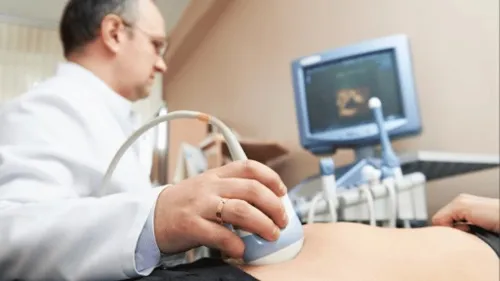
Ultrasound or MRI scans help locate fibroids and determine their size.
Physical Examination
A pelvic exam can help detect abnormalities in the uterus.
These diagnostic steps help ensure an accurate and effective treatment plan.
Treatment Options for Fibroids and Anemia
Treating anemia caused by fibroids requires addressing both the iron deficiency and the fibroids themselves.
Managing Anemia
Doctors may recommend:
- Iron supplements to restore iron levels
- A diet rich in iron, including leafy greens and proteins
- Regular monitoring of blood levels
These steps help improve energy levels and overall health.
Treating Fibroids
To prevent further blood loss, fibroids need to be treated. Options include:
- Non-surgical treatments: Uterine Fibroid Embolization (UFE), which shrinks fibroids by blocking their blood supply
- Surgical options: Myomectomy or hysterectomy in more severe cases
Non-surgical treatments are often preferred for their quicker recovery and fewer risks.
Why Early Treatment Matters
Ignoring fibroid symptoms can lead to worsening anemia and additional health complications. Early diagnosis and treatment can help prevent severe fatigue, weakness, and other related issues.
At USA Fibroid Centers, patients receive expert care focused on non-surgical fibroid treatments. Their specialists provide personalized care plans to help manage both fibroids and related conditions like anemia.
Tips to Support Your Health
Along with medical treatment, lifestyle changes can help manage symptoms and improve overall well-being:
- Include iron-rich foods in your diet
- Stay hydrated and maintain a balanced routine
- Track menstrual cycles and note any changes
These steps can support recovery and prevent future complications.
Final Thoughts
Fibroids can lead to anemia due to heavy and prolonged bleeding, but with proper care, both conditions can be effectively managed. Understanding the connection between fibroids and anemia allows you to take proactive steps toward better health.
If you are experiencing symptoms, seeking medical advice early can help you find the right treatment and improve your quality of life.

























Sign in to leave a comment.