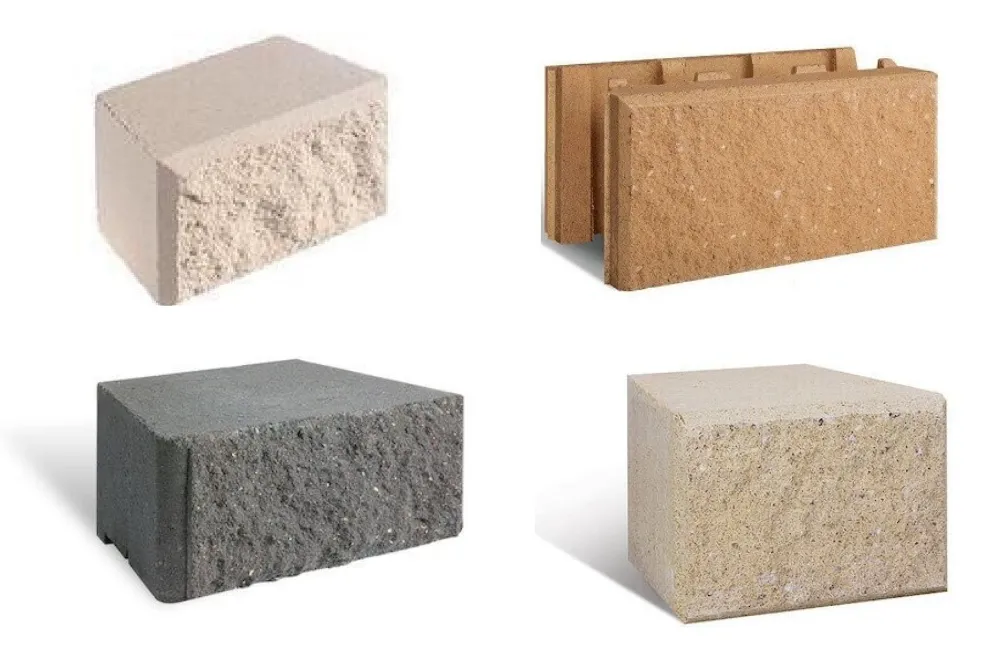
There are several reasons why any property can experience its valuation coming down unexpectedly. In most cases in the Northern Beaches, the reason is a large chunk of unusable land. With Sydney terrain using retaining wall blocks isn't just holding back and it's basically buying back the usable space. There is a difference between improving a block and simply spending money on landscaping. The main question is whether retaining wall blocks increase property value. The answer is "yes", but the value actually comes from what the wall enables and not from the concrete blocks themselves.
Where The Value Can Actually Come From?
The strongest case is usable yard creation and a steep section that is awkward to mow, unsafe for children or difficult to landscape may have limited practical appeal. Similarly, properly designed terraces can create flatter areas for entertaining, gardens, access paths, parking or other outdoor uses. The difference present here matters a lot when comparing a decorative garden wall with a structural retaining system. A low landscape wall may improve presentation, but a properly engineered system can change how much of the site is realistically usable. However, there is a catch as well because a wall that looks very impressive, but has poor drainage, inadequate foundations or an unsuitable design will very soon become a liability rather than an asset.
NSW planning guidelines require retaining wall work to meet structural and site requirements. This includes provisions relating to surface and groundwater, separation from other walls and manufacturer specifications.
The Quotable Point: A retaining wall rarely creates property value by itself. It creates value when it turns difficult land into a reliable, usable space.
What Buyers Are Likely To Notice?
When buyers inspect a sloped property, they usually aren't thinking about the wall blocks as a construction product. They are looking at the result and this means a tidy, stable terrace with sensible drainage, usable access and an obvious purpose can make a difficult yard easier to understand. A cracked wall, pooling water or awkwardly retained slope does the opposite. In this situation, choosing wall concrete blocks purely because they are cheap can be a false economy. Property owners should understand that material cost is only one part of the equation. Factors like excavation, base preparation, drainage, reinforcement, access and future maintenance can change the real project cost significantly.
What About A Retaining Wall ROI In Sydney?
There is no reliable Australian rule that says that a retaining wall blocks produces a fixed return on investment. Yes, Sydney buyers may pay more for functional outdoor space, but the value will depend heavily on suburb, land shape, house quality, execution and comparable sales. The financial equation also changes if the project requires engineering, approvals or substantial earthworks; moreover, building and construction costs also remain important material considerations. ABS data shows that house construction prices were 5.9% higher over the year to June 2026. This is a main reason why homeowners should compare the likely improvement in usability and presentation against the complete installed cost rather than the price quoted by wall block suppliers.
FAQs
Do Retaining Wall Blocks Increase Property Value?
Retaining wall blocks can support property value when they create useful, attractive and properly constructed outdoor areas. The increase is not guaranteed, and buyers may discount poorly drained or visibly damaged walls because future repairs become part of their purchasing calculation.
Do Wall Blocks Suppliers Provide Products Suitable For Every Slope?
No, wall block suppliers stock systems designed for different applications, heights and site conditions. Soil, surcharge loads, drainage, reinforcement and wall geometry all matter, so product selection should follow the proposed wall design rather than choosing blocks first.
Are Wall Concrete Blocks Suitable For Structural Retaining Walls?
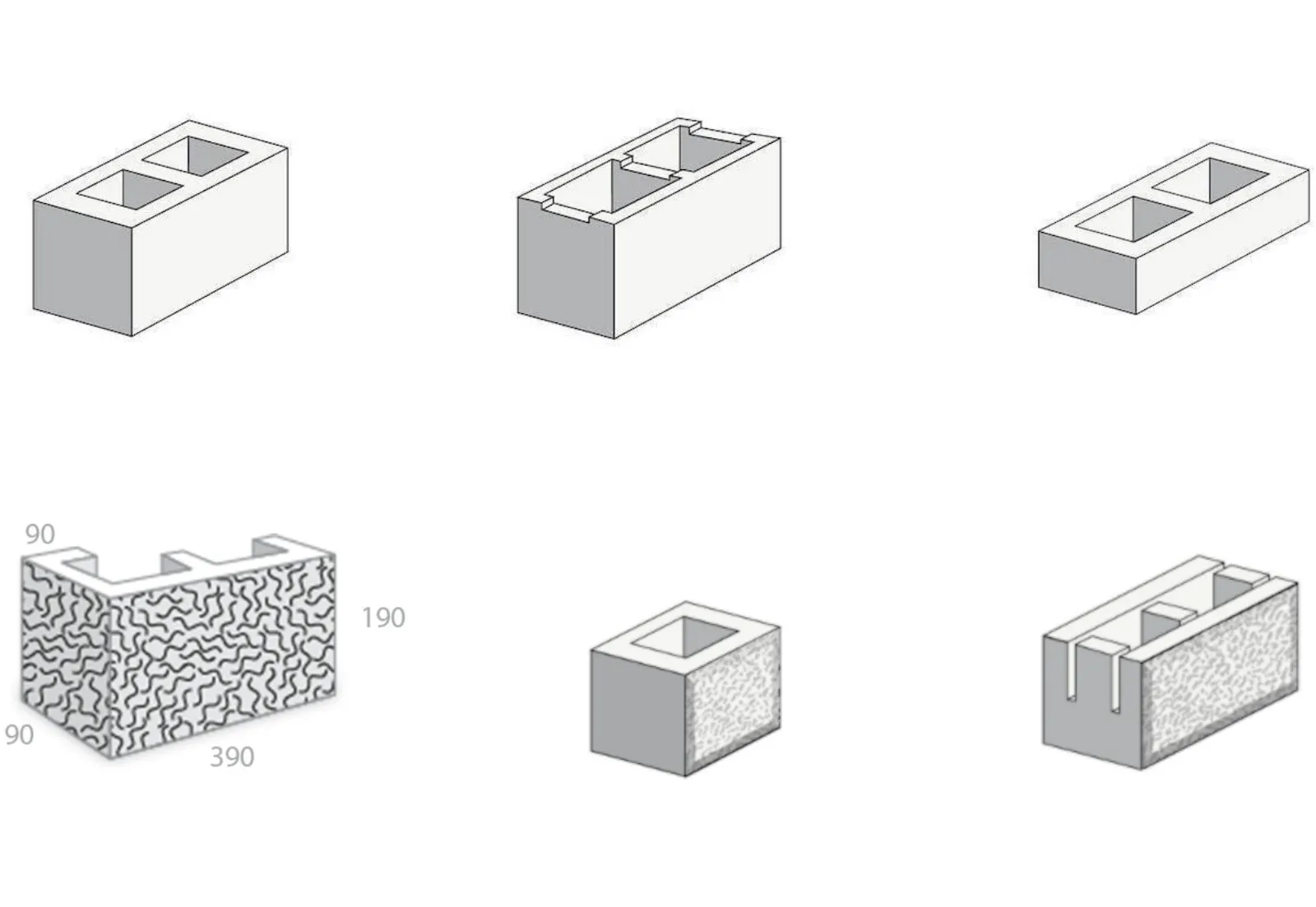
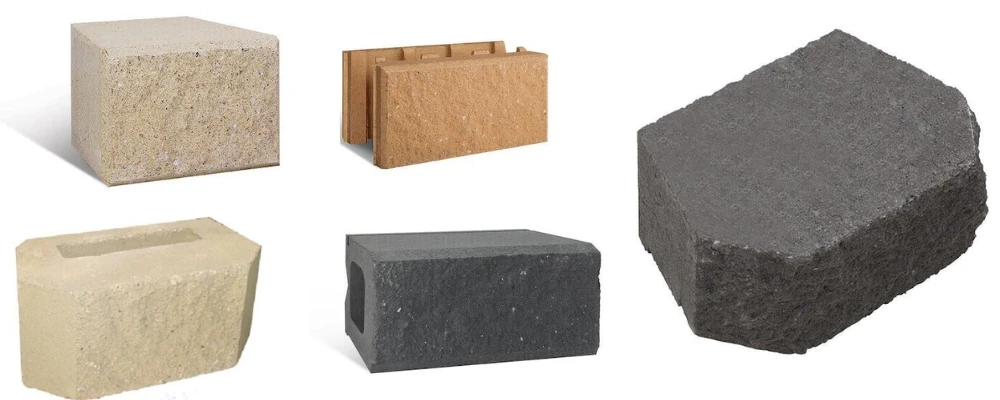
Some wall concrete blocks form engineered retaining systems, while others are intended for garden or landscape applications. The distinction matters because a structural wall may need engineering, reinforcement, drainage and compliance checks that a simple decorative garden wall does not.
Should I Build A Retaining Wall Before Selling?
Not automatically. If the slope currently limits access or usable outdoor space, a well-designed retaining solution may improve presentation and functionality. Unnecessary construction can consume money without producing an equivalent increase in sale value.
The Practical Takeaway Is Fairly Simple:
Treat retaining work as a land-use improvement, not a guaranteed property-value investment. Before committing to blocks, homeowners should price the complete system and check the relevant council and engineering requirements. This is usually where a promising improvement either stacks up — or falls apart.



















Sign in to leave a comment.