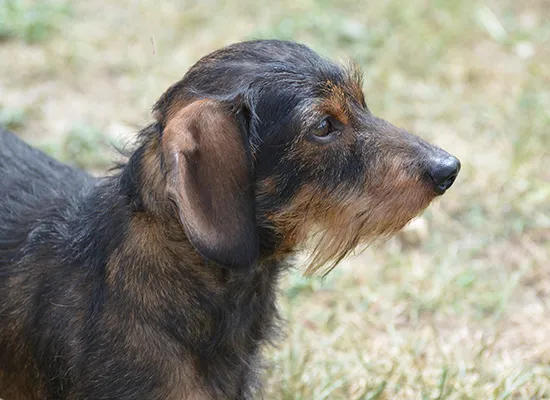

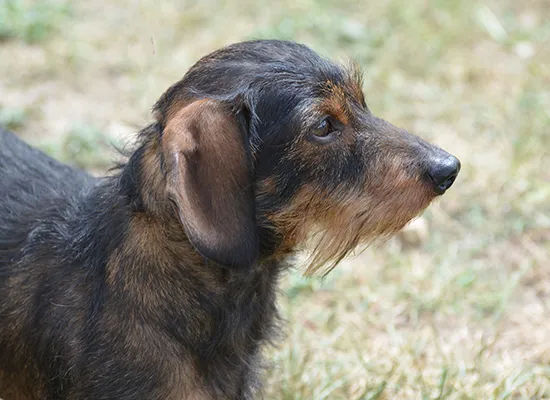
Yes, do you have to cut long haired dachshunds hair to benefit from occasional trimming, but they do not need full haircuts like some other dog breeds. Their beautiful, flowing coats are designed to protect them, so the goal of grooming is maintenance rather than drastic cutting. Regular brushing, light trimming around problem areas (such as the feet, ears, and tail), and professional grooming every few months will keep your Dachshund looking neat and healthy without damaging their natural coat.
Understanding the Do You Have to Cut Long Haired Dachshunds Hair?
The long-haired Dachshund’s coat is one of the breed’s most distinguishing features. It’s soft, slightly wavy, and longer around the ears, chest, belly, and tail—giving them that elegant, feathered look. This coat evolved to offer warmth and protection when the breed was originally used for hunting in colder environments.
However, this beauty comes with maintenance needs. Unlike short-haired Dachshunds, long-haired ones are prone to tangles, mats, and debris build-up. While their fur doesn’t require complete shaving or cutting, it does need consistent care to stay healthy and manageable.
When and Why to Trim a Long-Haired Dachshund’s Hair
You don’t have to “cut” a long-haired Dachshund’s entire coat, but trimming certain areas can improve hygiene, comfort, and appearance. Here are the main reasons and areas to focus on:
- Feet and Paw Pads:
- The fur between the toes can grow long and trap dirt, grass, and even small pebbles. Trimming these areas keeps the paws clean and prevents slipping on smooth floors.
- Ears:
- Their long, silky ears are beautiful but can easily mat or collect food, water, and dirt. A light trim along the edges keeps them tidy and reduces the risk of ear infections caused by trapped moisture.
- Tail:
- The tail, often called a “flag” due to its feathered look, can benefit from an occasional trim to prevent tangling and to enhance its natural shape.
- Underbelly and Chest:
- The fur under the chest and belly tends to collect dirt and mat easily, especially if your Dachshund enjoys outdoor adventures. Trimming these areas helps with cleanliness and makes brushing easier.
- Hygiene Areas:
- The fur around the rear and genital area should be kept short to prevent waste from sticking to the coat—commonly called a “sanitary trim.”
The Right Way to Trim Long-Haired Dachshunds
If you’re planning to trim your Dachshund at home, patience and the right tools are essential. You’ll need:
- A slicker brush or pin brush
- Thinning shears or curved scissors
- A grooming comb
- Nail clippers
- Dog-safe detangling spray
Step-by-step guide:
- Brush Thoroughly:
Always start by brushing your dog to remove tangles and mats. Brushing before cutting ensures an even trim and prevents pulling on tangled fur. - Check for Mats:
If you find mats, gently work them out with your fingers or a dematting comb. Never use scissors on a tight mat close to the skin—it’s easy to accidentally cut your Dachshund. - Trim Key Areas:
- Use thinning shears to lightly shape the fur around the ears, paws, and tail.
- Trim the feathering on the chest and belly for a clean, natural look.
- Carefully clip around the sanitary areas for hygiene.
- Check the Nails and Ears:
Finish the grooming session by trimming nails and cleaning ears with a vet-approved solution.
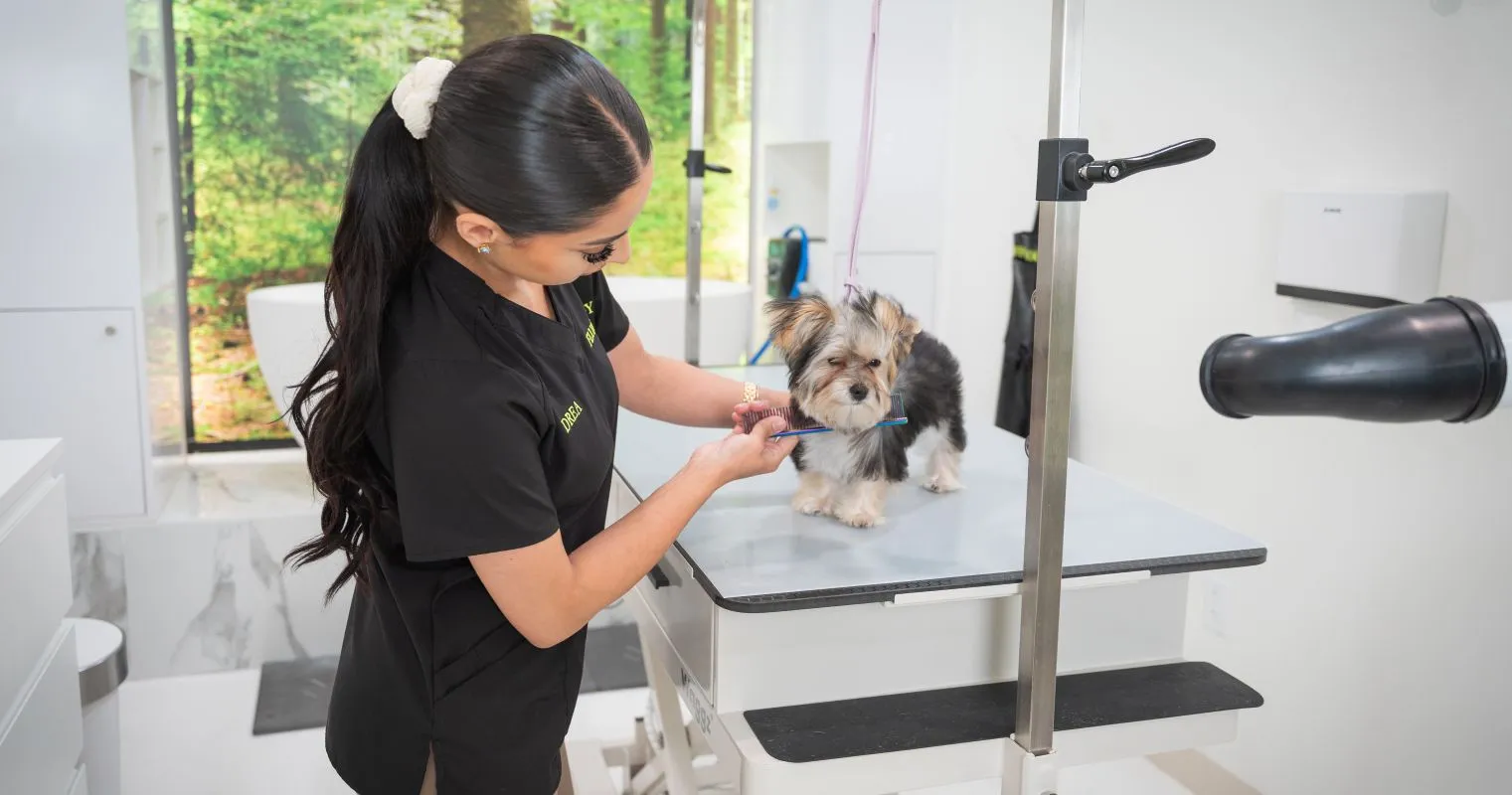
If you’re uncertain or nervous, it’s best to take your Dachshund to a professional groomer. They know how to maintain the coat’s natural flow without over-trimming.



















Sign in to leave a comment.