
Do You Need a Dental Bridge? Signs It's Time to Replace Missing Teeth
Missing teeth can affect more than just your smile—they can impact your oral health, ability to chew, and overall confidence. If you have lost one or more teeth, a dental bridge might be the right solution for you. But how do you know when it's time to consider one? In this blog, we'll discuss the key signs that indicate you may need a dental bridge and how this treatment can restore your smile and functionality.
What Is a Dental Bridge?
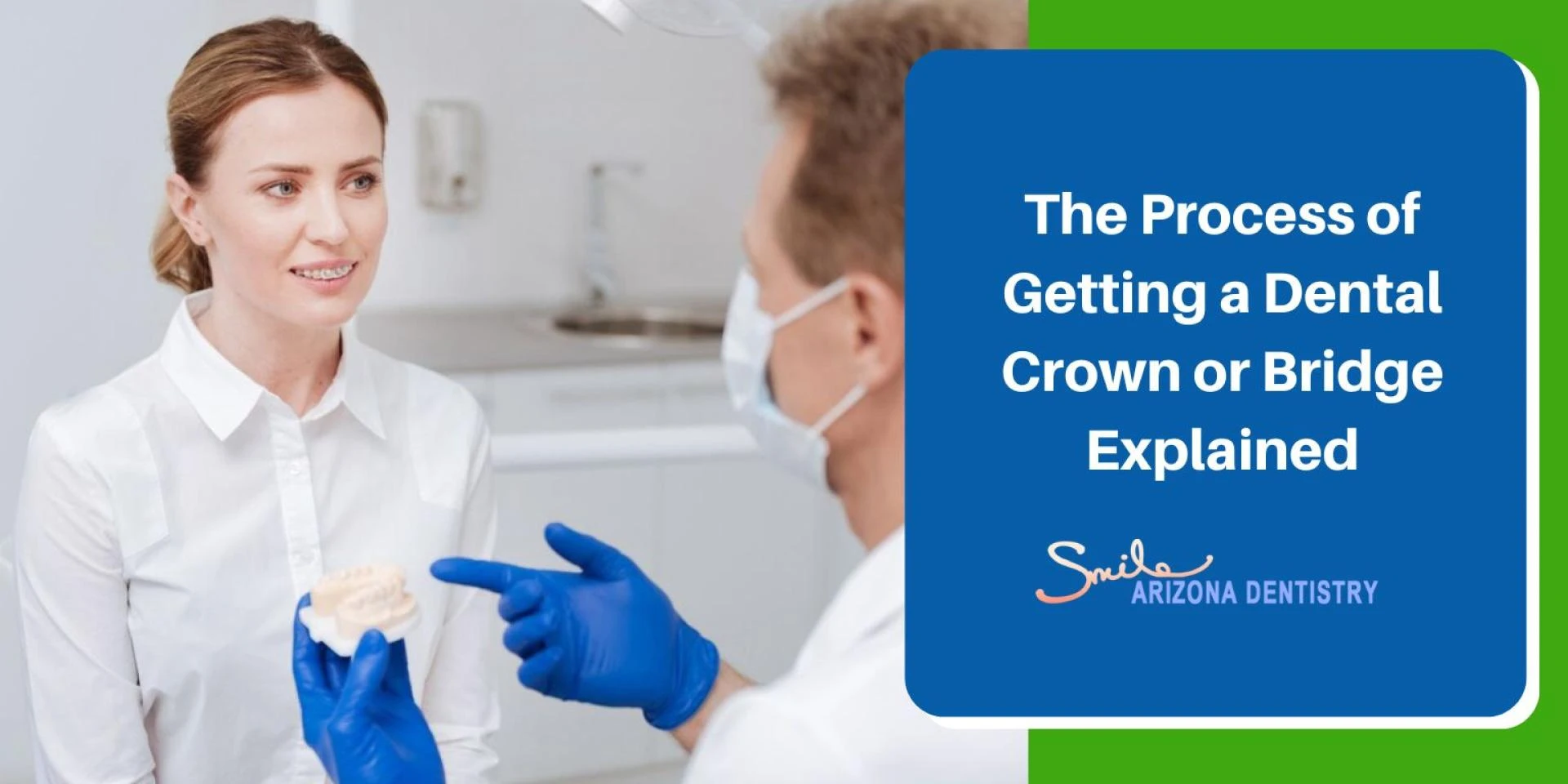
A dental bridge is a prosthetic device designed to fill the gap left by one or more missing teeth. It consists of artificial teeth (pontics) held in place by dental crowns attached to the adjacent natural teeth or implants. Dental bridges help restore function, improve appearance, and prevent oral health complications caused by missing teeth.
Signs You May Need a Dental Bridge
1. You Have One or More Missing Teeth
If you’ve lost a tooth due to decay, injury, or gum disease, leaving the gap untreated can lead to shifting of surrounding teeth and misalignment. A dental bridge can fill this space and maintain your natural bite.
2. You’re Having Difficulty Chewing
Missing teeth can make it harder to chew certain foods, leading to discomfort and improper digestion. If you're avoiding certain foods or experiencing pain while eating, a dental bridge can restore your ability to chew normally.
3. Your Teeth Are Shifting or Misaligned
When a tooth is lost, the surrounding teeth may shift into the empty space, leading to alignment issues and bite problems. A dental bridge helps keep your teeth in their proper positions, preventing further complications.
4. You’re Experiencing Speech Issues
Teeth play a crucial role in pronunciation. Missing teeth, especially in the front, can affect how you speak, causing slurred or unclear speech. A dental bridge can help restore proper articulation and confidence in communication.
5. You’re Not Happy with Your Smile
A missing tooth can make you feel self-conscious about your appearance. If you're hiding your smile in photos or social situations, a dental bridge can enhance your confidence by giving you a complete and natural-looking smile.
6. Your Face Appears Sunken or Aged
Missing teeth can lead to bone loss and facial structure changes, giving your face a sunken appearance. A dental bridge helps maintain the shape of your face and prevents premature aging caused by tooth loss.
7. You’re Experiencing Jaw Pain or Bite Issues
Tooth loss can cause an uneven bite, leading to jaw pain, headaches, or TMJ (temporomandibular joint) disorders. By restoring balance to your bite, a dental bridge can relieve discomfort and prevent further jaw-related issues.
Benefits of Getting a Dental Bridge
- Restores Functionality – Helps you chew, speak, and bite comfortably.
- Prevents Teeth from Shifting – Maintains the alignment of surrounding teeth.
- Enhances Appearance – Improves the look of your smile and facial structure.
- Long-Lasting Solution – With proper care, dental bridges can last 10-15 years or more.
- Non-Invasive Option – Unlike dental implants, bridges do not require surgery.
Types of Dental Bridges
- Traditional Bridges – Supported by crowns placed on adjacent natural teeth.
- Cantilever Bridges – Used when only one adjacent tooth is available for support.
- Maryland Bridges – Uses a metal or porcelain framework bonded to the back of adjacent teeth.
- Implant-Supported Bridges – Anchored by dental implants instead of natural teeth for extra stability.
How to Care for Your Dental Bridge
- Maintain Good Oral Hygiene – Brush and floss daily to prevent decay and gum disease.
- Use a Bridge Flosser or Water Flosser – To clean under the bridge and keep gums healthy.
- Visit Your Dentist Regularly – Routine check-ups help ensure your bridge stays in good condition.
- Avoid Hard or Sticky Foods – These can damage the bridge or loosen the crowns.
Final Thoughts
If you're experiencing any of the signs mentioned above, it may be time to consider a dental bridge. This affordable, effective, and long-lasting solution can help you regain confidence in your smile and improve your overall oral health. If you’re unsure whether a dental bridge is right for you, consult with your dentist to explore your options.
Would you like to schedule a consultation to discuss your tooth replacement options? Let us help you achieve a healthy, complete smile!



























Sign in to leave a comment.