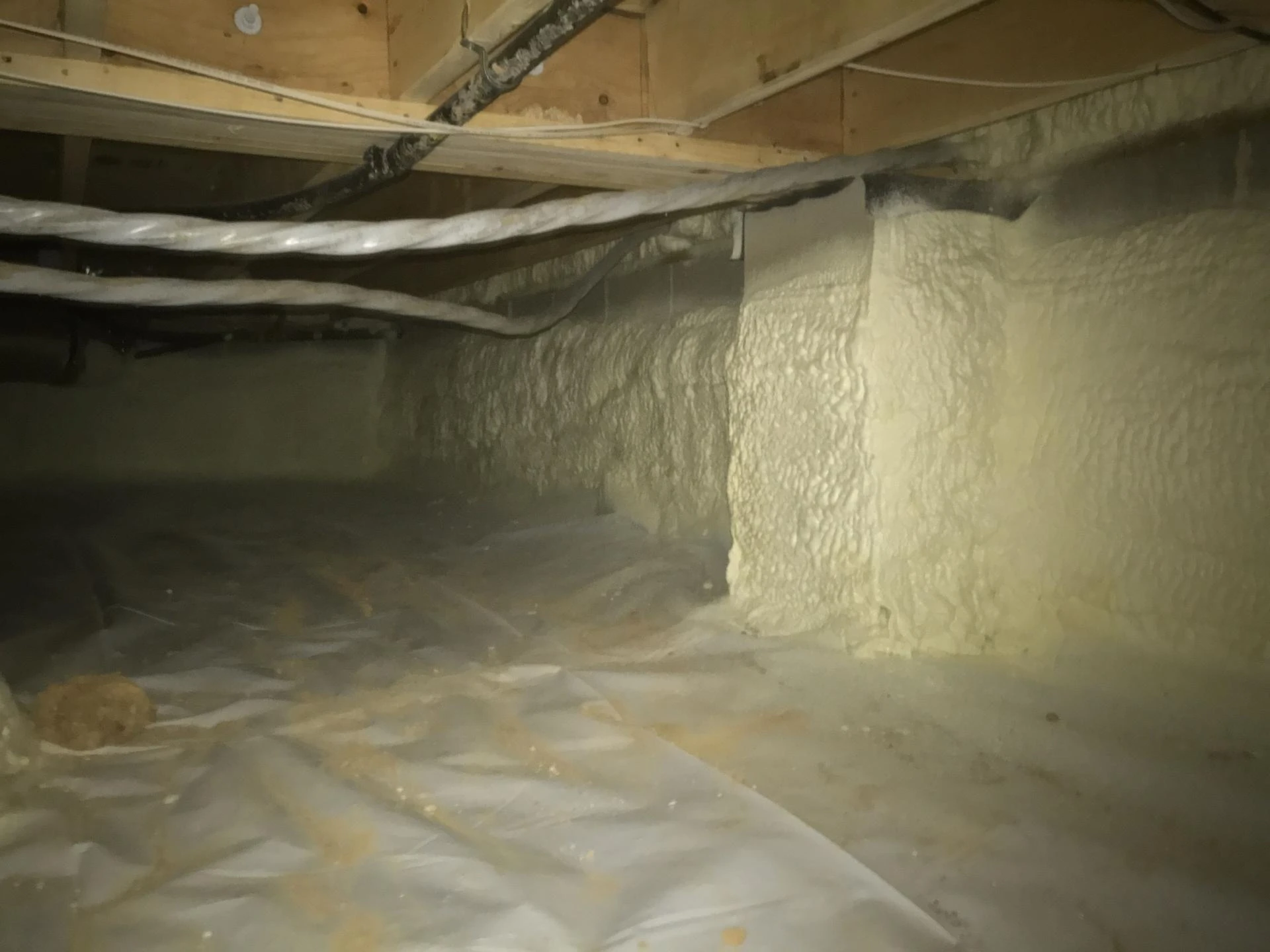

Crawl space spray foam insulation can feel like a mystery to property owners because it is hidden beneath the floorboards. Most people want to know if they need to climb into that dark space every year to check on their investment. The short answer is that this material does not require any scheduled maintenance or upkeep once a professional team finishes the installation.
This type of protection is a permanent solution that stays in place for the life of the building. Unlike other materials that sag, get dusty, or fall out of place, high-quality foam bonds directly to the surfaces. It does not lose its shape or its ability to block heat and air even after many years have passed.
Understanding why this material is so durable helps owners feel confident in their choice. Industry experts point to how the material cures into a solid, inert plastic. This guide explains the long-term expectations for owners and what small things they should keep an eye on to protect their home.

The Long-Term Stability of Foam Materials
The reason this material is so popular for crawl spaces is its physical durability. Once the liquid mixture expands and hardens, it becomes a rigid part of the structure. It does not settle like loose-fill products or tear like paper-faced rolls often do over time.
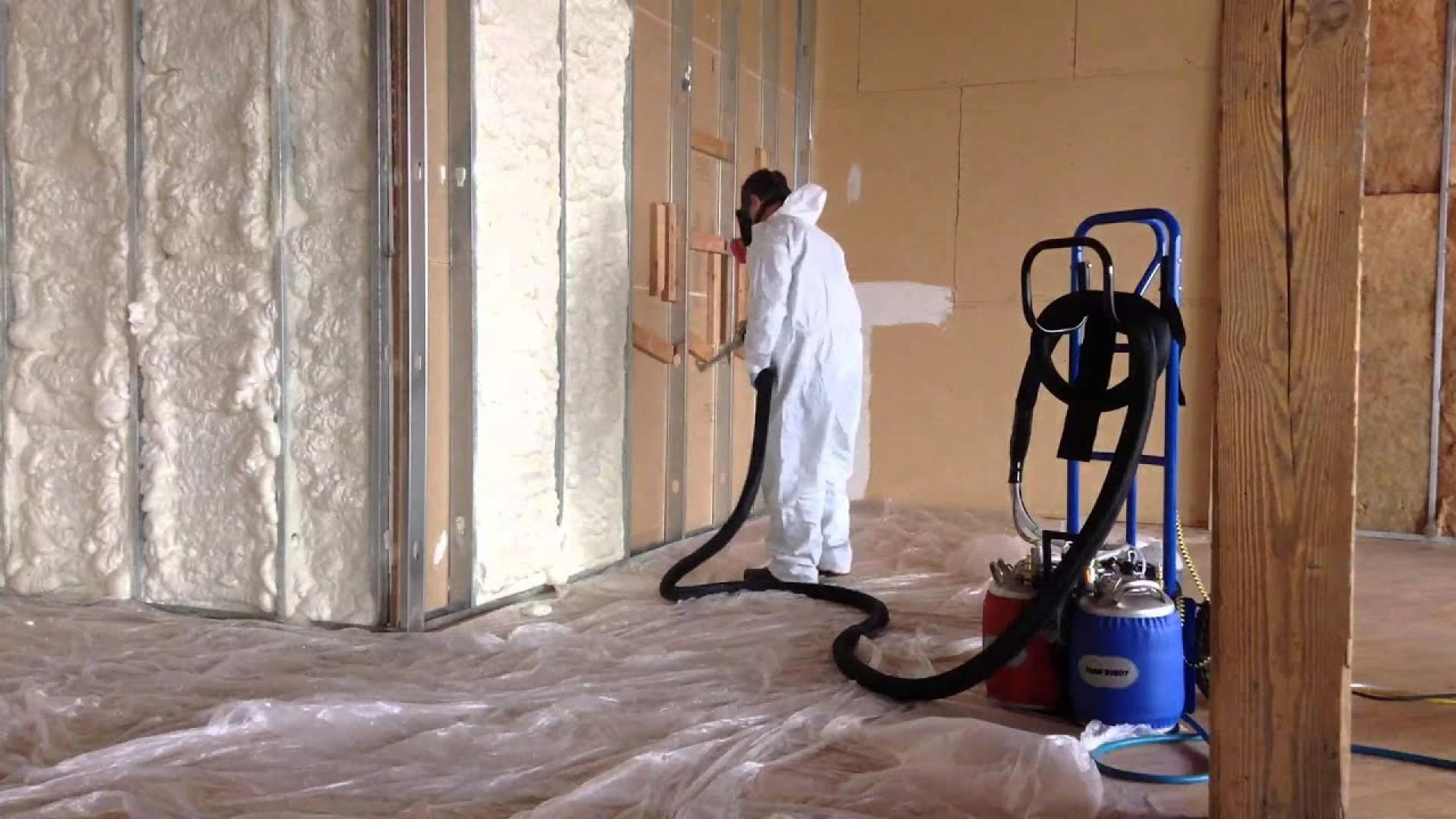
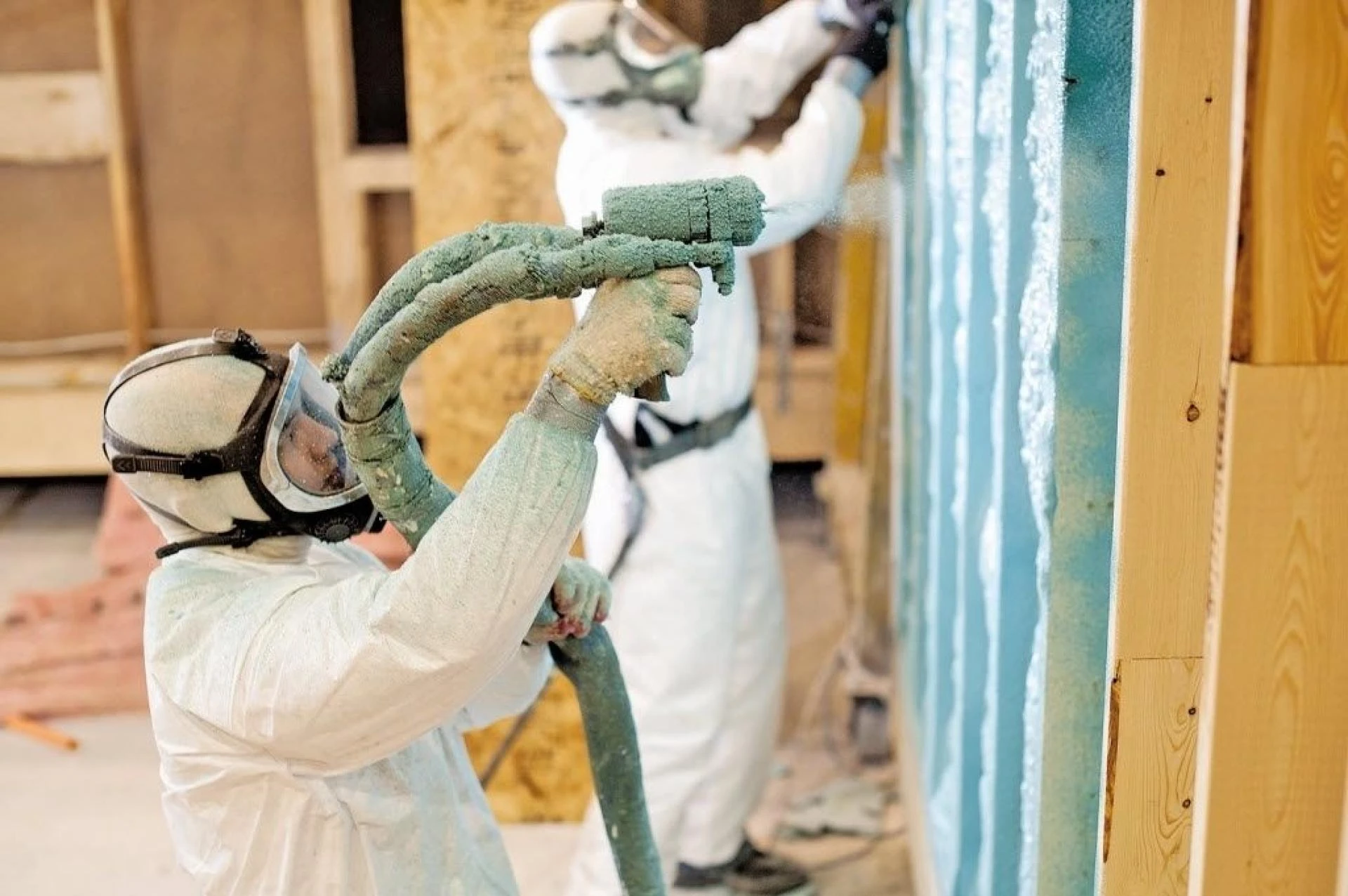
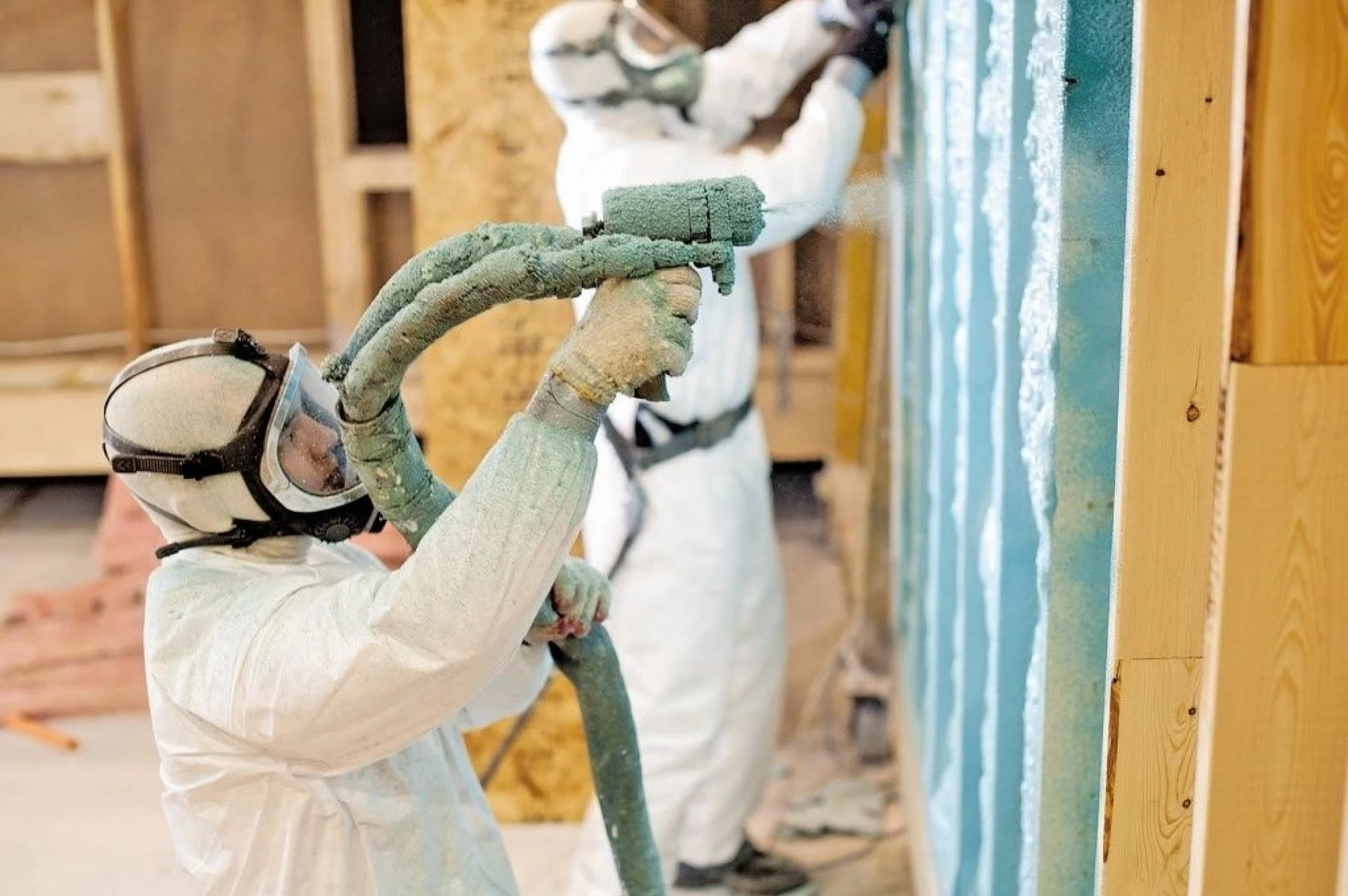
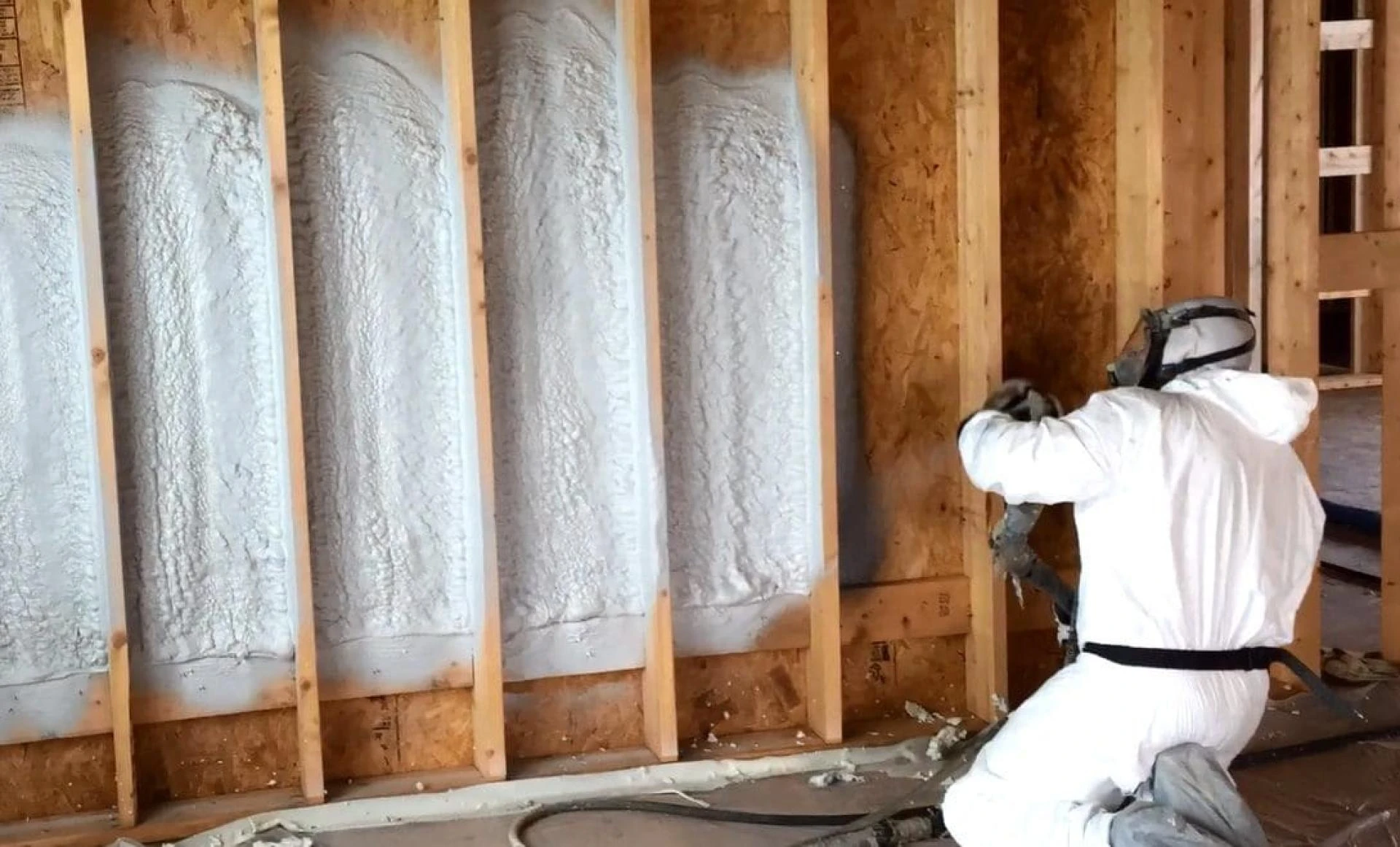
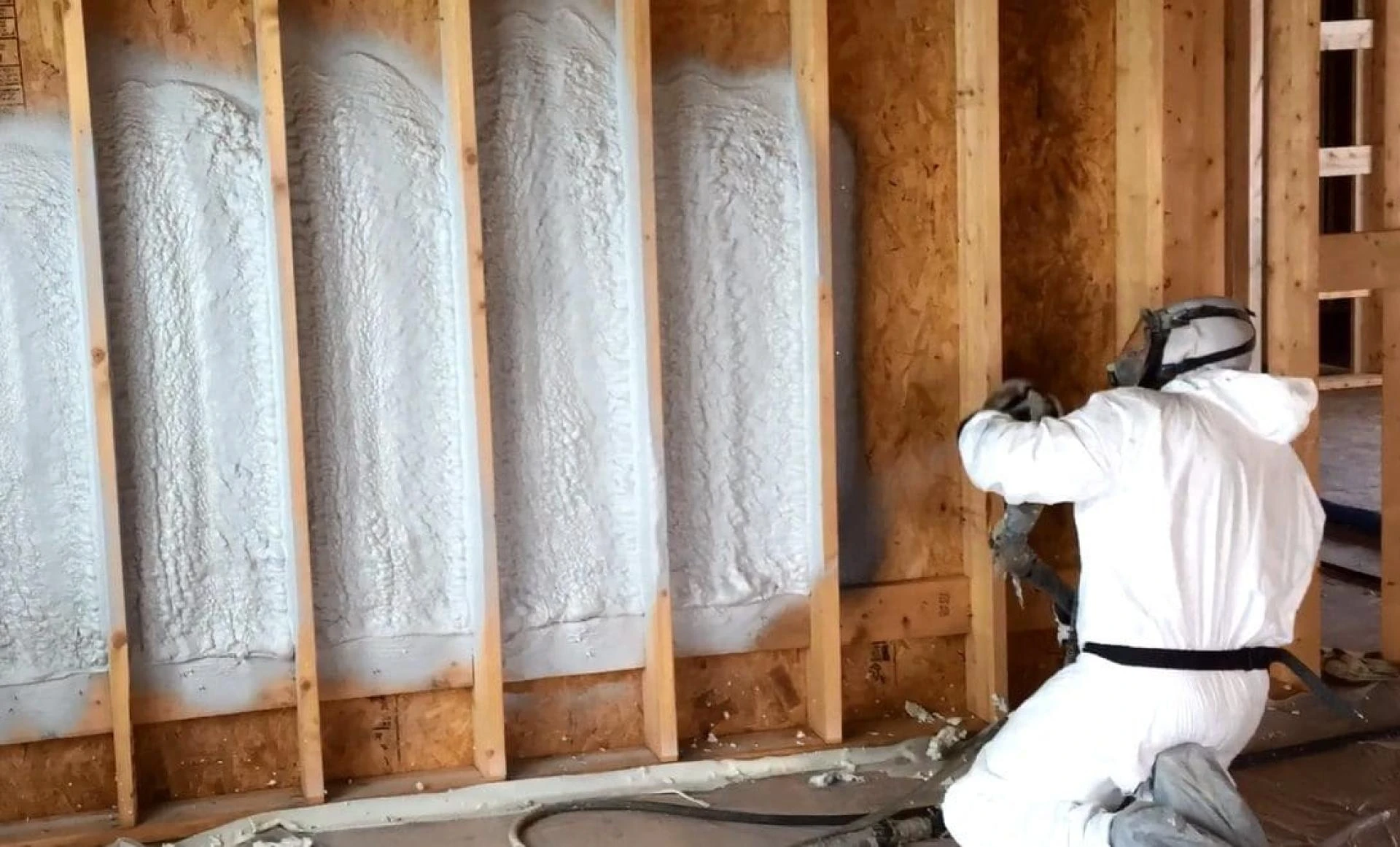
Proper installation of Crawl Space Spray Foam Insulation ensures that the foundation of the home remains protected from moisture and air leaks without the need for constant upkeep. This makes it a great choice for busy people who want to fix a problem once and never think about it again. It provides a reliable barrier that works 24 hours a day without any moving parts or filters to change.
Resistance to Common Environmental Threats
Crawl spaces are usually damp and attractive to various small creatures. Traditional fiberglass batts often become nesting grounds for rodents or a place for mold to grow when they get wet. Foam differs because it has no nutritional value to pests and does not absorb water like a sponge.
Blocking Moisture and Pests
The foam's dense structure makes it very difficult for pests to chew through or live in. It also seals the tiny holes that bugs use to enter the home from the ground up. This double layer of protection keeps the area under the house much cleaner and drier than it would be otherwise.
Bonus Tip for Pest Control
While the foam itself does not attract pests, owners should still maintain a standard pest control plan for the rest of the property. Termite inspections should still happen according to local rules to ensure the wooden parts of the house stay safe. This keeps the whole building healthy and strong.
Monitoring the Area Around the Insulation
Even though the foam does not need work, owners should still check the general area once or twice a year. The most common issues under a house are not related to the insulation itself. Instead, they usually involve plumbing leaks or external drainage problems that could impact the foundation.
A quick visual check can catch a small water leak from a pipe before it becomes a major disaster. Owners should look for any standing water or damp spots on the ground that were not there before. Keeping the crawl space dry is the best way to ensure the entire structure lasts for a long time.
Detecting Unexpected Plumbing Leaks
If a pipe starts to drip, the water might run along the foam or pool on top of it. Because the foam is waterproof, it can sometimes hide a small leak for a few days. Checking for new sounds of dripping or unusual smells is a good habit for any property owner.
Inspecting for Physical Damage
Sometimes other workers, like plumbers or cable technicians, might need to move the foam to reach a pipe or wire. If they cut into the barrier, that small spot should be patched to keep the seal airtight. Most professionals can fix these small areas quickly with a portable kit to restore the full protection.
Bonus Tip for Moisture Management
Using a simple humidity monitor can help owners monitor the air quality under the house. These small devices can send an alert to a phone if the moisture levels get too high. This gives peace of mind without having to crawl under the house every month.

Maintenance Comparison for Foundation Areas
| Maintenance Task | Spray Foam | Fiberglass Batts | Cellulose |
|---|---|---|---|
| Regular Cleaning | Not Required | Required (Dust/Pests) | Not Required |
| Replacing Sections | Rarely Needed | Every 5 to 10 Years | Often Needed |
| Mold Remediation | Very Unlikely | Very Common | Common |
| Air Seal Checks | Not Required | Required Yearly | Required Yearly |
Why Durability Matters for Costs
The table shows that foam has much lower long-term costs because it does not need to be replaced. Other materials often fail because they get heavy with moisture and pull away from the floor joists. When this happens, the home loses its thermal protection and the energy bills start to rise.
Long Term Energy Savings
Because the seal stays perfect year after year, the energy savings remain consistent. Owners do not have to worry about their air conditioner working harder because the insulation has shifted or settled. This reliability is why many experts recommend it as the best overall value for a home foundation.
Things to Consider Before Making a Decision
Before choosing a solution, owners should evaluate the current state of their crawl space. If there are already major water issues or structural damage, those must be fixed first. The foam works best when it is applied to a clean and stable surface.
- Check for any existing wood rot or mold that needs to be cleaned up before sealing the area.
- Make sure all plumbing and electrical work is up to code and in good repair.
- Consider the height of the space to ensure the application crew has enough room to work safely.
- Look at the local climate to decide between sealing the walls or the floor joists.
Questions People Ask About Crawl Spaces
Will the foam ever peel off the walls?
When applied to a clean surface by a professional, the bond is incredibly strong and permanent. It should not peel or flake away even in humid conditions or temperature changes. The material is designed to stick to concrete and wood for the life of the building.
Does the foam protect against termites?
While termites cannot eat the foam, they can sometimes build mud tubes over it to reach the wood. This is why many owners leave a small "termite inspection strip" of bare concrete at the top of the wall. This allows inspectors to see if any pests are trying to climb up into the framing.
Can I clean the foam if it gets dirty?
If dust or dirt gets on the surface, it can usually be wiped off with a damp cloth or a soft brush. However, since it is in a crawl space, most people leave it alone unless they are doing a deep clean of the area. The dirt does not impact the performance of the material at all.
Is it okay to spray over old insulation?
Professionals always recommend removing old, dirty fiberglass or wet material before spraying new foam. Spraying over old debris can trap moisture and pests against the wood, which causes rot. A clean start ensures the best bond and the most effective air seal.
How do I know if the seal is still good?
The easiest way to tell is by how the floors feel and how much the energy bills change. If the floors stay warm in the winter and the house feels less drafty, the seal is working perfectly. A professional can also use a thermal camera to check for any tiny air leaks if you are worried.
Summary of Maintenance Needs
The most important takeaway is that this material is designed for low-stress ownership. It does not rot, it does not move, and it does not need to be serviced like a heating system. Regular home inspections should include a quick look at the crawl space, but the insulation itself is built to last.
Connect with a Specialist for Your Home
For those looking to improve their property, finding a trusted local team is the first step. Many people in the Fresno area rely on Supreme Spray Foam Fresno for their professional approach and high-quality materials. They can assess a crawl space and provide a detailed plan to seal it properly for long-term comfort. To get started, property owners can call (559) 545-0800 or send an email to [email protected] to ask questions. Getting an expert opinion ensures that the foundation of the home stays dry and efficient for many years to come.
Reviewer: Emma Robinson contributed her knowledge from 8 years of working in the spray foam industry. Her review helped shape this content, grounded in what contractors and homeowners actually value.






















Sign in to leave a comment.