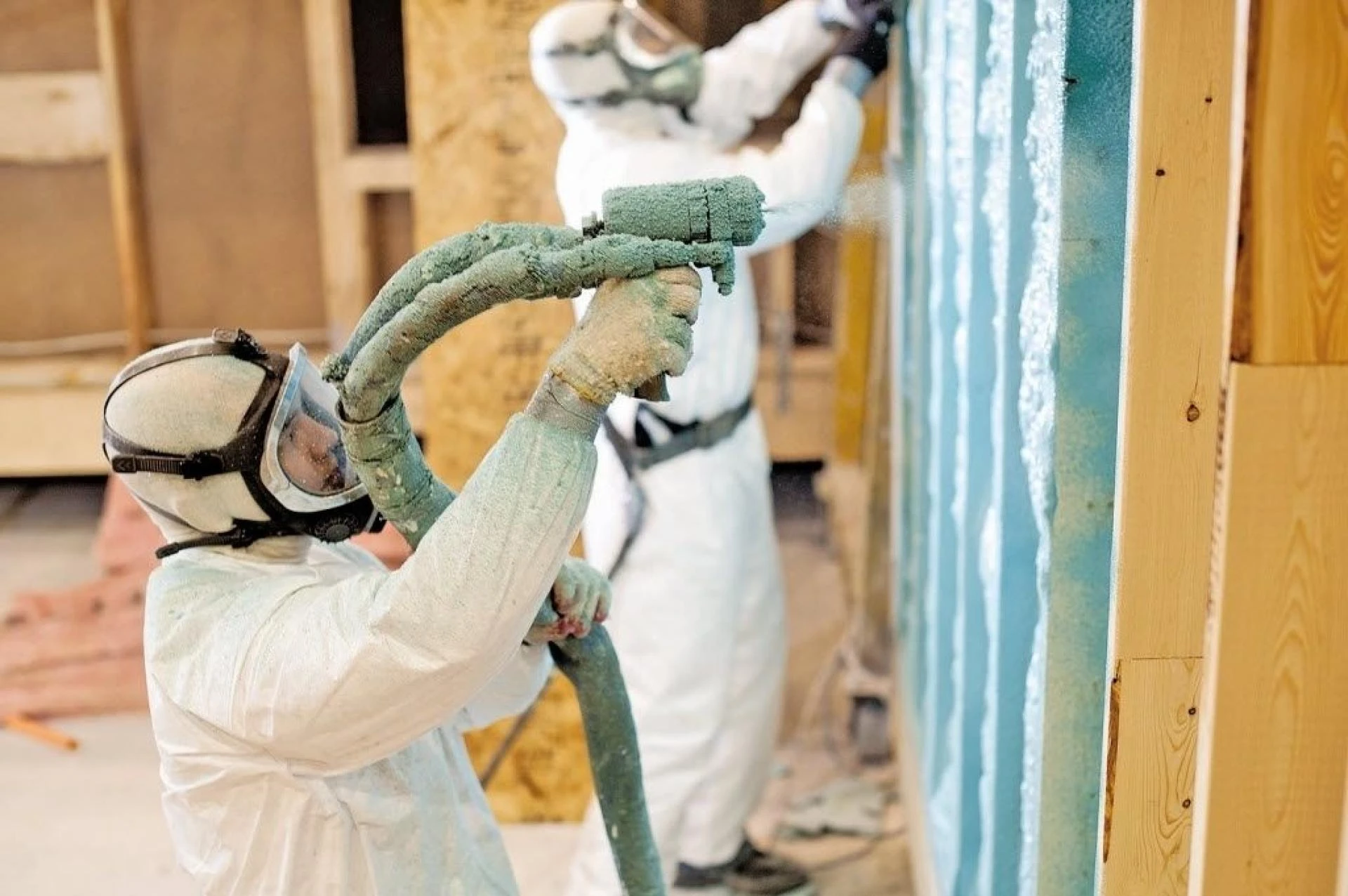

Maintaining a stable indoor temperature is one of the biggest challenges property owners face. Uneven heating, hot spots, cold drafts, and rising energy use often point to air leaks rather than faulty HVAC systems. Spray foam insulation addresses this issue by sealing gaps and limiting air infiltration, helping buildings stay comfortable year-round.
This article explains how spray foam helps regulate indoor temperature, what factors influence performance, and what decision-makers should consider before moving forward. The guidance reflects real-world experience from professionals who work with residential and commercial buildings every day.
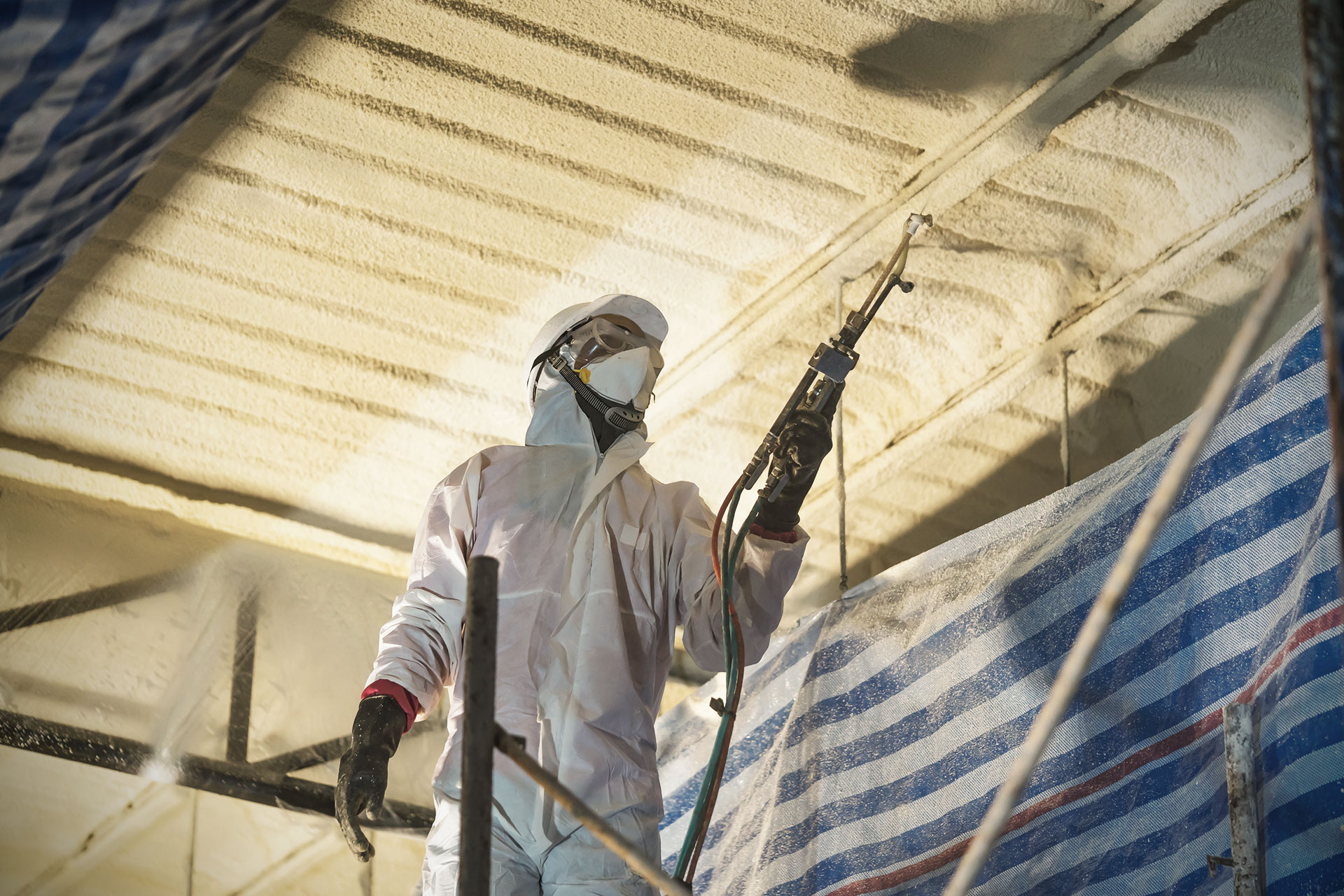
How Spray Foam Controls Indoor Temperature
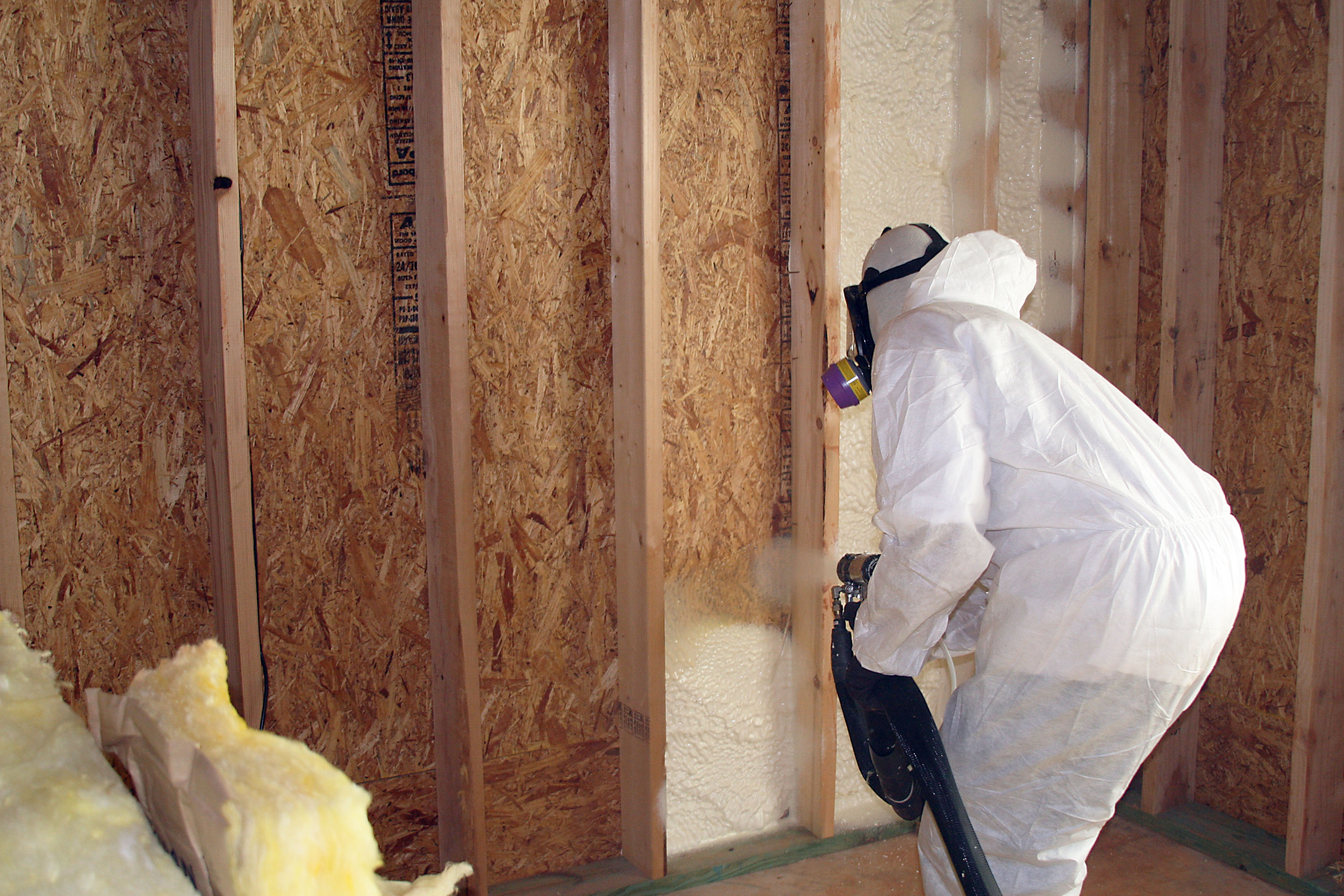
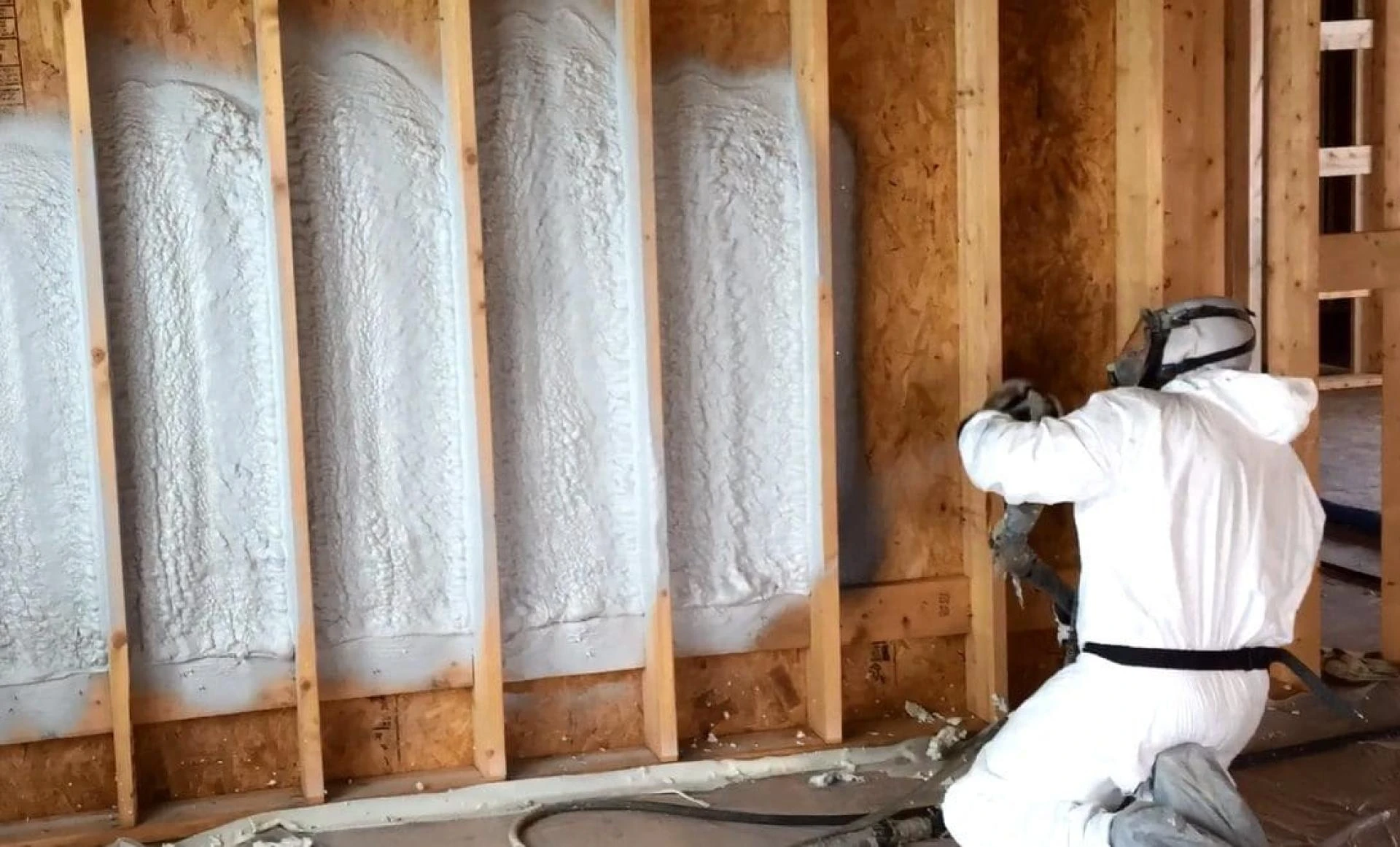
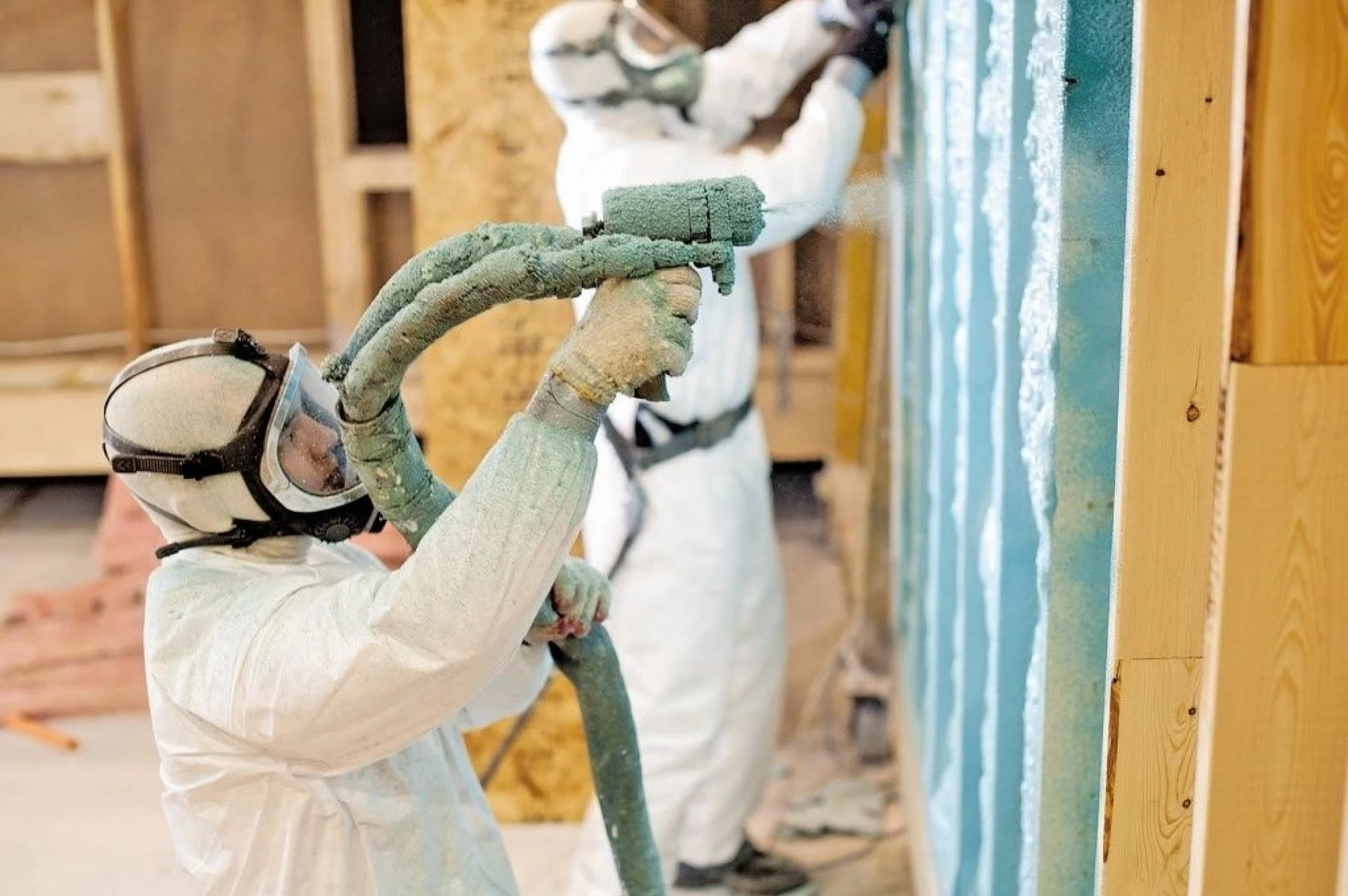
Spray foam insulation regulates temperature by sealing the building envelope. Once applied, it expands to fill cracks and voids that allow outdoor air to pass through walls, roofs, and floors. This reduces temperature swings and supports consistent indoor conditions.
Professionals with field experience often recommend spray foam for properties that struggle with uneven comfort across rooms or floors. When air leakage is controlled, heating and cooling systems can maintain set temperatures with less effort.
Air Sealing as the Primary Advantage
Spray foam limits airflow in areas where traditional insulation falls short. Small gaps around framing, wiring, and joints often go unnoticed but can disrupt indoor comfort.
Sealing these gaps helps:
- Reduce drafts and hot spots
- Maintain steady temperatures across rooms
- Limit outside air intrusion during peak seasons
Thermal Resistance and Heat Flow Control
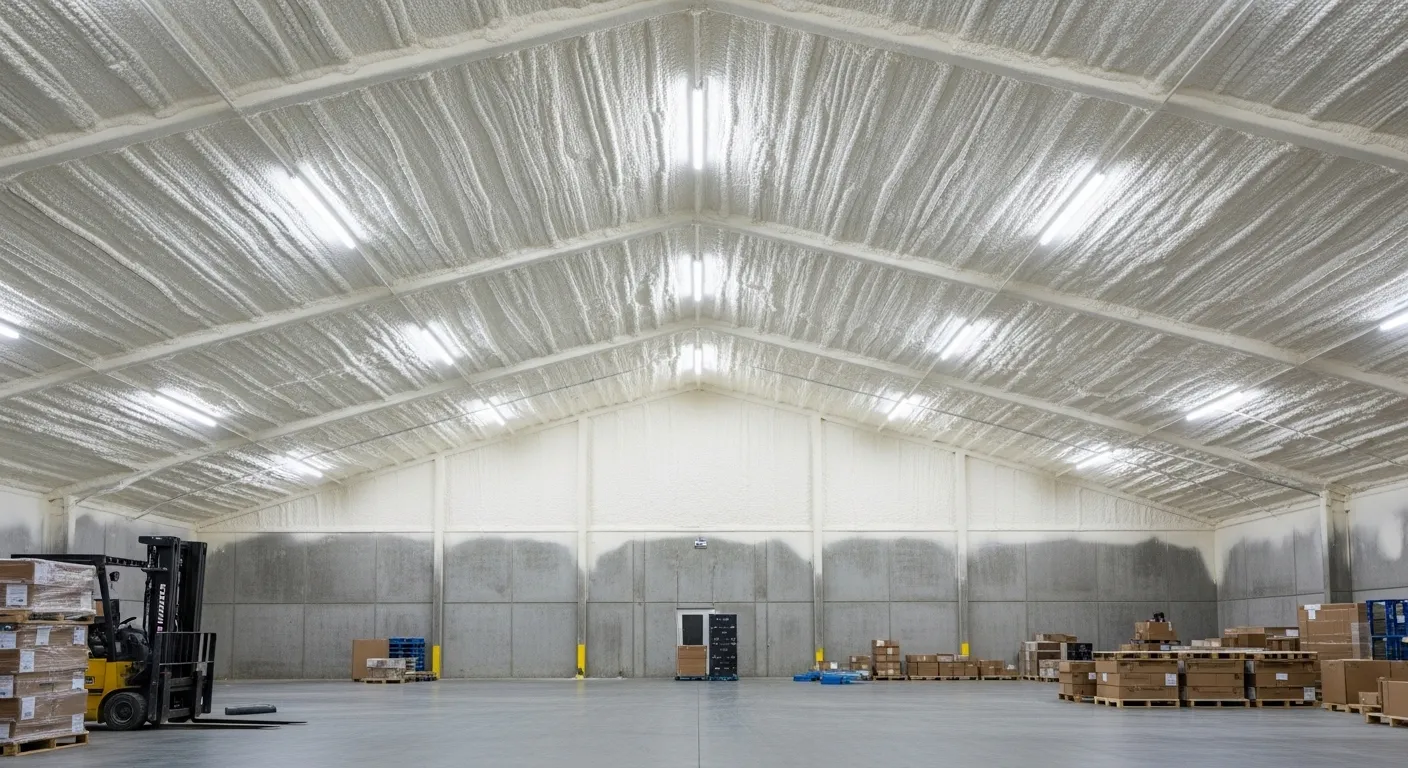
By limiting heat transfer through walls and ceilings, spray foam supports temperature balance during both warm and cool months. This benefit is especially noticeable in buildings with large roof surfaces or exposed exterior walls.
Open Cell and Closed Cell Options Explained
Spray foam insulation comes in two main types, each serving different temperature control needs. Understanding these differences helps property owners choose the right approach.
The table below outlines how each type supports indoor temperature regulation.
| Feature | Open Cell Spray Foam | Closed Cell Spray Foam |
|---|---|---|
| Expansion rate | High | Moderate |
| Density | Lower | Higher |
| Air sealing | Strong | Strong |
| Moisture resistance | Moderate | High |
| Best use areas | Walls and attics | Roofs and crawl spaces |
Matching Foam Type to Building Areas
Open cell foam works well in interior spaces where sound control and air sealing matter. Closed cell foam suits exterior-facing areas where added rigidity and moisture control help stabilize indoor conditions.
Regional Considerations for Central California
In regions with hot summers and cooler nights, controlling heat gain during the day and heat loss at night remains essential. Spray foam helps properties adapt to these daily shifts by maintaining a consistent indoor barrier.
Key Areas That Affect Temperature Balance
Certain parts of a building influence indoor temperature more than others. Addressing these zones first often leads to noticeable comfort improvements.
Attics and Rooflines
Heat buildup in attics can spread into living or working spaces below. Spray foam applied along the roofline limits this transfer and helps indoor temperatures stay even.
Exterior Walls and Rim Joists
Air leaks around framing connections allow outdoor air to affect indoor conditions. Sealing these areas helps stabilize room temperatures throughout the structure.
Crawl Spaces and Lower Levels
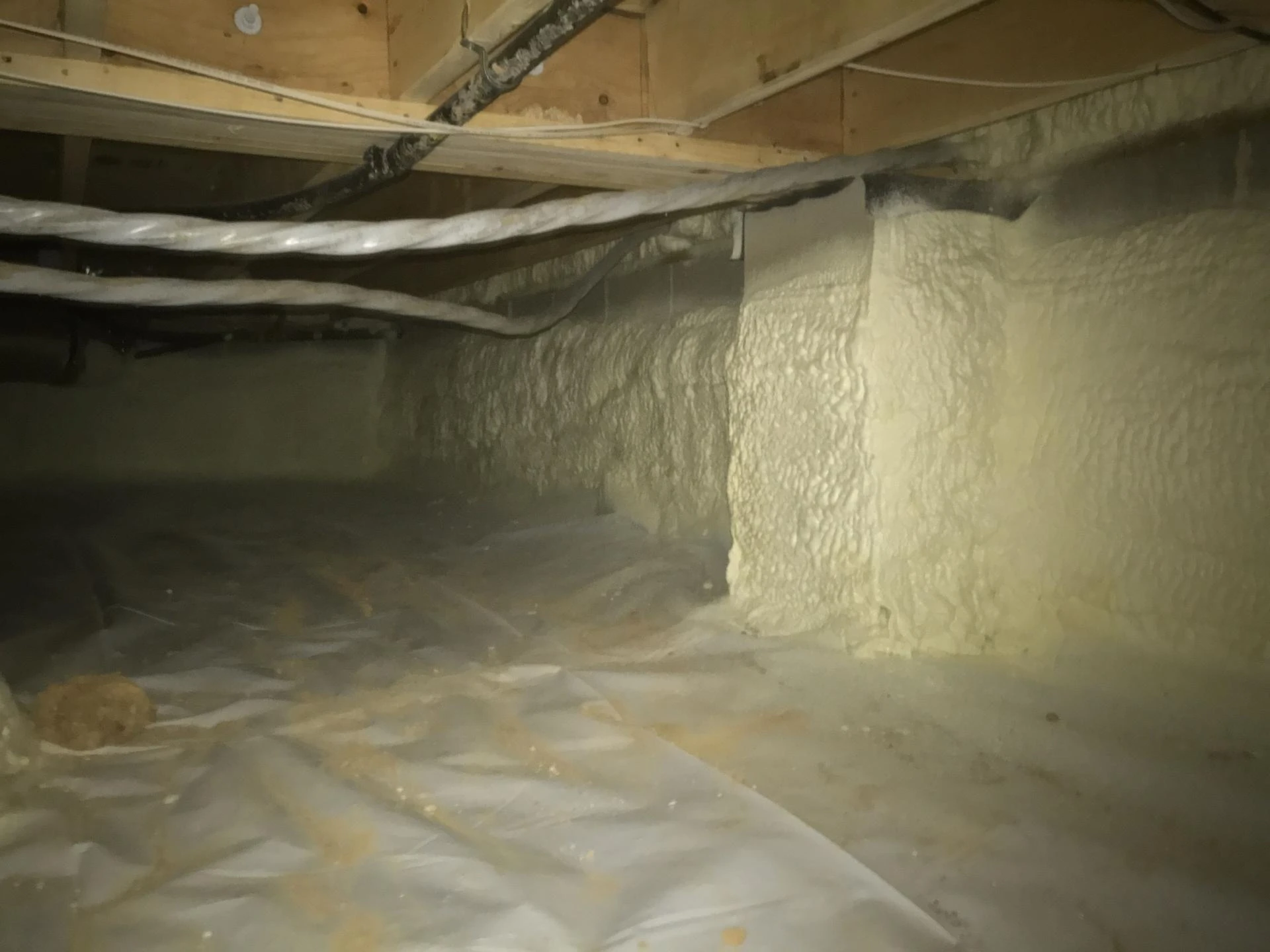
Unsealed crawl spaces introduce cold or warm air depending on the season. Spray foam limits this impact and supports balanced temperatures from floor to ceiling.
Things to Consider Before Making a Decision
Before choosing spray foam insulation, property owners should evaluate several practical factors. These considerations help ensure the insulation aligns with long-term goals.
- Building age and construction style
- Areas with the most noticeable temperature swings
- Ventilation needs and indoor air quality plans
- Access to target insulation zones
Bonus Tip
- Address air leaks before adjusting HVAC settings. Insulation often resolves comfort issues without system changes.
- Focus on problem areas first, such as rooms that never reach the desired temperature.
- Schedule insulation work during moderate weather for smoother application and inspection.
Market Trends Supporting Spray Foam Use
Industry data shows steady growth in spray foam adoption due to energy performance benefits. Many property owners report fewer comfort complaints after sealing air leaks. Buildings with sealed envelopes also show reduced temperature variation between floors, especially in multi-level structures.
These trends highlight why temperature control remains a key reason for choosing spray foam insulation.
Questions People Ask About Indoor Temperature Control
Does spray foam help with uneven room temperatures?
Spray foam reduces air leakage that causes some rooms to feel warmer or cooler than others. Sealed gaps support consistent temperature distribution.
Can spray foam improve comfort without replacing HVAC systems?
In many cases, yes. When air leaks are sealed, existing systems can maintain temperature more effectively.
Is spray foam suitable for both homes and commercial spaces?
Spray foam works in both settings because it adapts to different building designs and usage patterns.
How long does temperature improvement last?
When installed correctly, spray foam maintains its performance for many years without settling or shifting.
Does insulation affect indoor air quality?
Properly applied spray foam limits uncontrolled air movement while supporting planned ventilation strategies.
Final Thoughts on Temperature Regulation?
Spray foam insulation offers a direct way to control indoor temperature by sealing air leaks and limiting heat transfer. Properties that struggle with drafts, hot spots, or uneven comfort often benefit from this approach. Evaluating building needs and target areas helps ensure long-term comfort and stability.
Next Steps for Property Owners
Property owners looking to regulate indoor temperature can benefit from speaking with experienced insulation specialists. Supreme Spray Foam Fresno is often referenced as a reliable resource for understanding spray foam applications and performance considerations. Those seeking guidance can reach the team at [email protected] or call (559) 545-0800 to discuss insulation options suited to their property goals.
Reviewer: Emma Robinson contributed her knowledge from 8 years of working in the spray foam industry. Her review helped shape this content, grounded in what contractors and homeowners actually value.

























Sign in to leave a comment.