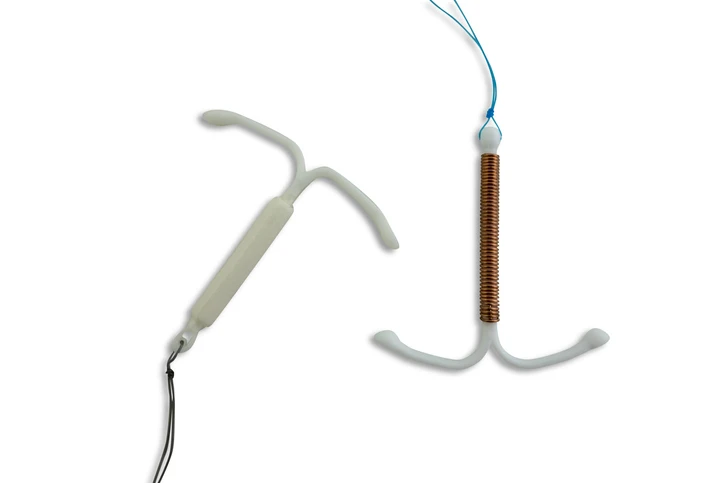

IUD (Intrauterine Device) is a small T-shaped contraceptive device that is directly inserted into the uterus through the vagina. Primarily, it is used to prevent pregnancy for a longer period and can be removed when you are ready to conceive.
Since this tiny device is placed inside a woman's reproductive system, many have concerns about its safety and often wonder: Can an IUD cause infertility?
The answer is “No.”
In this post, we’ll explore everything you need to know about IUDs—their types, safety profile, and how to decide between birth control pills and IUDs.
By the end, you’ll have a clear, science-backed understanding of whether IUDs impact your future fertility.
Let's get started!
What is an IUD and its Types?
IUD is a type of birth control and one of the most commonly used forms of long-acting reversible contraception (LARC).
It can be used for three to ten years without concern for pregnancy. This is one of the most effective methods of birth control that doesn’t require surgery. If you decide to become pregnant, your healthcare provider can easily remove the IUD.
This tiny device comes in two types: copper IUDs and hormonal IUDs. Both types have a small plastic frame that opens into a T-shape once placed inside the uterus.
Copper IUDs have a thin copper wire wrapped around the stem of the T. Unlike other forms of birth control, they don’t release hormones. They are highly effective and can last up to 10 years. However, some people may experience heavier periods and more cramping during the first few months of use.
On the other hand, Hormonal IUDs, also known as hormonal intrauterine systems (IUS), release a small amount of hormone, which is exactly similar to birth control pills. This may help reduce menstrual bleeding and cramps for many users.
Myth or Reality: Can IUD Cause Infertility?
This is one of the most common concerns that women are searching for. Let’s explore the facts and clear up common misconceptions.
The Myth:
Many people believe that using an IUD can lead to infertility. Moreover, it prevents women from having children in the future. It's a clear misconception that likely stems from misunderstandings and half information that might spread online about how IUDs work and fears surrounding infections.
Here is The Reality Check:
Scientific research and clinical studies have consistently shown that IUDs, whether its copper or hormonal, do not cause infertility in healthy women. IUDs are designed to be long-acting and reversible contraceptives. These are used to prevent pregnancy while in place, but fertility usually returns quickly once the device is removed.
Fertility After Removal:
Most women can conceive within months of IUD removal, sometimes as soon as the next menstrual cycle. Unlike permanent methods like tubal ligation, IUDs do not damage the reproductive organs.
Risk of Infection:
One legitimate concern related to IUD use is the risk of pelvic infections, particularly pelvic inflammatory disease (PID), which can impact fertility if untreated. However, this risk is very low, especially with modern insertion techniques and screening for sexually transmitted infections (STIs) before insertion. Most infections occur within the first few weeks after insertion, and proper medical care can usually prevent long-term complications.
STIs and Fertility:
It is important to understand that infertility linked to IUDs is often actually related to pre-existing or concurrent infections, not the device itself. Untreated STIs like chlamydia or gonorrhea are the real culprits behind infection-related infertility.
Hormonal vs. Copper IUDs:
Both types of IUDs have been studied extensively. Hormonal IUDs release small amounts of progestin locally in the uterus, which helps thin the uterine lining and sometimes suppresses ovulation. Still, these effects are temporary and do not cause lasting fertility issues.
Copper IUDs prevent fertilization through the toxic effect of copper on sperm but do not interfere with ovulation or the function of the ovaries.
When considering any birth control option, understanding infertility causes & diagnosis is important to separate myths from medical facts.
Who Should Not Use an IUD?
Below, we curated the points that may cause you a health condition, so if you have any of them, just avoid using the IUDs:
You are currently pregnant.
You have an active pelvic infection or an untreated STI
You have unexplained vaginal bleeding
You have abnormalities in the uterus
You have cervical or uterine cancer that is untreated
You’re allergic to copper
You have sensitivity or side effects from hormones (for hormonal IUDs)
You’ve had serious IUD complications in the past
You have severe liver disease (for hormonal IUDs)
Birth Control Pills vs. IUDs: What’s the Difference?
Birth Control Pills
Aspect:
How It Works: Prevents ovulation using hormones
Effectiveness: ~91% (typical use)
Usage: Take daily
Hormonal Option: Yes (all pills)
Reversibility: Yes, fertility returns after stopping
Side Effects: Nausea, mood swings, spotting
Best For: Short-term, flexible control
IUDs (Copper & Hormonal)
Aspect:
How It Works: Prevents fertilization (Copper) or thickens cervical mucus (Hormonal)
Effectiveness: Over 99%
Usage: Inserted once, lasts 3–10 years
Hormonal Option: Both hormonal & non-hormonal (copper) options
Reversibility: Yes, fertility returns after removal
Side Effects: Cramping, spotting, heavier/lighter periods (type-dependent)
Best For: Long-term, low-maintenance protection
Final Verdict!
There is no such evidence that IUDs cause infertility in women. It’s just a common myth that continues to circulate. While some women may have existing health conditions that restrict the use of IUDs. But anyway, there is no direct link between IUD use and infertility. IUDs are considered one of the safest and most effective forms of reversible birth control.
So, ladies, we’ve covered all the key aspects in this article, so you can choose an IUD with confidence, without any second thoughts.































Sign in to leave a comment.