
The Future of Farming: Innovations in Agriculture
Farming has always been a cornerstone of human civilization. As populations grow, climates shift, and natural resources become increasingly strained, agriculture must evolve to meet new demands. Traditional farming methods, while foundational, can no longer carry the burden of feeding a global population expected to exceed 9 billion by 2050. To ensure food security, environmental sustainability, and economic viability, agriculture must embrace innovation.
Modern agriculture is undergoing a transformation driven by technology, sustainable practices, and cooperative models that promises a more resilient and efficient future. Among the most significant advancements reshaping the sector are smarter use of agro chemicals the widespread adoption of greenhouse farming, and the resurgence of the agriculture cooperative model. Together, these pillars represent the foundation of tomorrow's farming systems.
I. The Driving Forces of Change in Agriculture
The challenges facing agriculture are numerous and complex. Climate change is altering growing seasons and increasing the frequency of extreme weather events. Land degradation and water scarcity limit productivity in many regions. Additionally, the agricultural sector must balance the need for increased output with environmental conservation.
This balancing act has led to a surge in agricultural innovations designed to improve yields, reduce waste, and promote sustainable practices. Farmers today are no longer solely dependent on tradition; they are leveraging data, science, and community-based solutions to navigate an uncertain future.
II. The Role of Agrochemicals in Future Farming
Agrochemicals including fertilizers, pesticides, herbicides, and growth regulators have historically played a critical role in increasing agricultural productivity. Since the Green Revolution of the mid-20th century, agrochemicals have helped farmers grow more food on less land, contributing significantly to food security around the globe.
1. Benefits of Agrochemicals
When used correctly, agrochemicals enhance plant growth, protect crops from pests and diseases, and improve soil fertility. They have enabled intensive farming systems that produce high yields even under suboptimal conditions. For many farmers, particularly in developing countries, agrochemicals are indispensable tools that help ensure consistent harvests.
2. The Need for Precision
Despite their benefits, excessive or improper use of agrochemicals can cause significant environmental and health issues. Water contamination, soil degradation, pest resistance, and harmful impacts on non-target species (including pollinators) are growing concerns.
The future of agrochemicals lies in precision agriculture a technology driven approach that applies inputs like fertilizers and pesticides with pinpoint accuracy. Tools such as GPS guided tractors, drones, and soil sensors enable farmers to deliver agrochemicals only where and when they are needed, reducing waste and environmental impact.
3. Emerging Trends
Innovators in agricultural science are developing biological agrochemicals, such as microbial based pesticides and organic fertilizers, to replace or complement synthetic products. These biologically derived inputs can offer safer, more sustainable alternatives while maintaining effectiveness.
Additionally, the integration of machine learning and AI allows for real-time analysis of crop health, helping farmers make informed decisions about agrochemical use. This marriage of technology and chemistry is key to farming’s sustainable future.
III. Greenhouse Farming: Controlled Environment Agriculture
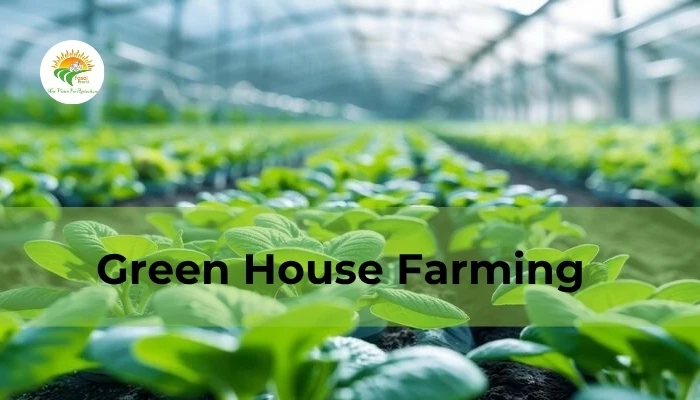
Greenhouse farming is revolutionizing agriculture by allowing crops to be grown in controlled environments. This method involves the use of structures ranging from simple plastic tunnels to high-tech glass houses that protect crops from adverse weather and create optimal growing conditions.
1. Advantages of Greenhouse Farming
Green house farming offers several advantages over traditional open-field agriculture. These include:
- Year-Round Production: Farmers can grow crops irrespective of external weather conditions, leading to multiple harvests per year.
- Improved Yield and Quality: Controlled environments reduce exposure to pests and diseases, ensuring higher quality produce.
- Efficient Use of Resources: Greenhouses often utilize drip irrigation, hydroponics, and other systems that minimize water and fertilizer use.
- Urban Agriculture Opportunities: Greenhouses can be established in urban areas, bringing food production closer to consumers and reducing transportation costs and emissions.
2. Innovations in Greenhouse Technology
Modern greenhouse systems are becoming increasingly sophisticated. Automation technologies manage temperature, humidity, lighting, and CO₂ levels, optimizing plant growth while reducing labor requirements. AI and machine learning help predict and respond to crop needs in real time.
Vertical farming, often conducted within greenhouses, maximizes space efficiency by growing plants in stacked layers. This approach is particularly valuable in densely populated areas where land is limited.
3. The Future of Greenhouse Farming
Greenhouse farming is especially critical in regions with extreme climates or scarce arable land. Countries in the Middle East, for instance, are investing heavily in greenhouse infrastructure to reduce their dependence on imported food. As technology becomes more affordable, greenhouse farming is expected to expand globally, contributing significantly to future food systems.
IV. Agriculture Cooperatives: Power in Unity
While technology and science are essential, social innovation plays an equally vital role in shaping the future of agriculture. One of the most effective social structures in modern farming is the agricultural cooperative
An agriculture cooperative is a group of farmers who voluntarily pool resources, share risks, and collaborate to achieve common goals. These cooperatives can take many forms marketing cooperatives, supply cooperatives, credit cooperatives, and multi-purpose cooperatives.
1. Why Cooperatives Matter
Agriculture cooperatives empower small and marginal farmers by offering collective bargaining power, access to markets, and reduced input costs. Members benefit from shared equipment, technical training, and support networks that would be difficult to access individually.
For instance, cooperatives can negotiate better prices for agrochemicals by purchasing in bulk, provide storage facilities to reduce post-harvest losses, and market produce directly to consumers or retailers eliminating middlemen.
2. Building Resilience Through Cooperation
In the face of climate change and market volatility, cooperatives enhance community resilience. By sharing knowledge, farmers can adopt best practices more quickly and effectively. Cooperatives also play a key role in implementing sustainable farming techniques, managing natural resources, and advocating for farmer-friendly policies.
In many developing nations, agriculture cooperatives are helping women and youth gain a stronger foothold in farming, thereby promoting gender equality and intergenerational knowledge transfer.
3. Challenges and Opportunities
Despite their benefits, cooperatives can face challenges such as poor governance, lack of capital, and limited access to markets. Addressing these issues requires supportive policies, capacity building, and investment in cooperative infrastructure.
Digital tools, such as mobile apps and online marketplaces, are helping modern cooperatives scale their operations and reach new members. As more farmers recognize the power of collective action, agriculture cooperatives will continue to grow in influence and impact.
V. Integrating Innovations for a Sustainable Future
The most promising future for farming lies not in a single innovation but in the integration of multiple advancements. When used together, greenhouse farming, smart use of agrochemicals, and agriculture cooperatives create a synergistic system that is productive, sustainable, and inclusive.
Imagine a cooperative of small-scale farmers managing a network of greenhouses, using AI tools to monitor plant health and apply agrochemicals only when necessary. Such a model reduces environmental harm, increases profitability, and ensures food security especially in vulnerable regions.
Furthermore, these innovations align with global development goals. They promote sustainable agriculture, responsible consumption and production, and climate action. By supporting farmers, protecting ecosystems, and producing nutritious food, future-oriented agriculture can drive positive change at local and global levels.
Conclusion
The road ahead for agriculture is both challenging and full of opportunity. As we grapple with the realities of climate change, population growth, and resource scarcity, innovation becomes not just an option, but a necessity.
Agrochemicals, when used responsibly, will continue to support high-yield farming. Greenhouse farming will provide food security in urban and harsh environments. Agriculture cooperatives will ensure that no farmer is left behind in the race toward modernization. Together, these innovations represent the future of farming a future that is sustainable, efficient, and equitable.
To secure this future, we must invest in education, infrastructure, and policy support that empower farmers to adopt and adapt these innovations. It is only through a combined effort of individuals, communities, and governments that the full potential of 21st-century farming can be realized. With smart planning and bold action, we can cultivate a world where agriculture feeds not just our stomachs, but our societies, our economies, and our planet.





























Sign in to leave a comment.