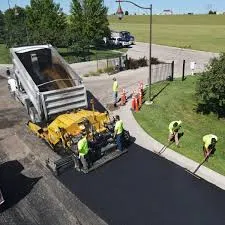

Across Massachusetts and Maine, homeowners are increasingly noticing that driveways are cracking faster than expected in 2026. Even newly installed asphalt surfaces are beginning to show early signs of wear such as surface cracks, potholes, and edge breakdowns. This growing issue is not random—it is the result of several modern factors working together, including changing weather patterns, heavier vehicles, and increased daily usage.
Understanding why this is happening is the first step toward preventing costly repairs and extending the life of your driveway.
The 2026 Problem — Why Driveways Are Failing Faster
Driveways today are exposed to far more stress than in previous decades. Modern residential and commercial environments have introduced multiple pressure points that older pavement designs were never intended to handle. Instead of a single cause, it is the combination of environmental stress, vehicle weight, and usage intensity that is accelerating asphalt deterioration.
Weather Changes and Extreme Freeze–Thaw Cycles
One of the biggest contributors to early driveway damage in Massachusetts and Maine is the increasing unpredictability of weather patterns. In 2026, winters are no longer consistently cold but instead fluctuate between freezing and thawing multiple times within short periods.
These temperature swings allow water to enter small surface cracks. Once inside, the water freezes and expands, widening the cracks. When temperatures rise again, the ice melts and seeps deeper into the pavement layers. This cycle repeats throughout the season, gradually breaking down the structural integrity of the asphalt.
Over time, this leads to visible damage such as alligator cracking, potholes, and weakening of the base layer beneath the surface. New England’s climate makes this process even more aggressive due to frequent temperature changes.
Heavy Vehicles Are Putting More Pressure on Driveways
Another major factor contributing to driveway cracking is the significant increase in vehicle weight over recent years. Modern households now commonly own large SUVs, pickup trucks, and electric vehicles, all of which are considerably heavier than traditional passenger cars.
These heavier loads place increased stress on asphalt surfaces, especially in areas where vehicles frequently turn, park, or brake. Over time, this leads to surface deformation, rutting along tire paths, and stress cracks forming at turning points. Driveways that were originally designed for lighter traffic are now being pushed beyond their intended capacity.
Modern Usage Patterns Are Increasing Wear
In addition to heavier vehicles, the way driveways are used today has also changed significantly. Most households now experience far more frequent vehicle movement than in the past due to busy lifestyles, multiple-car families, and constant delivery services.
Each vehicle movement creates small stress points on the surface. While a single instance does not cause visible damage, repeated daily usage gradually weakens the asphalt. Over time, these small stress cycles accumulate, leading to early aging and surface deterioration even in relatively new driveways.
Poor Drainage Is Making the Problem Worse
Water management plays a critical role in asphalt durability, and poor drainage is one of the most overlooked causes of driveway failure. When water is allowed to sit on the surface or seep into the pavement layers, it significantly increases the rate of damage.
Standing water accelerates freeze–thaw penetration during winter, weakens driveway edges, and slowly erodes the supporting base layer. Many driveways suffer from improper slope design or blocked drainage channels, which allows water to collect in low spots and speeds up structural breakdown.
Installation Quality Still Matters More Than Ever
Even with modern materials, installation quality remains one of the most important factors in determining how long a driveway will last. Poor construction practices such as weak base compaction, thin asphalt layering, or improper grading often result in early failure.
On the other hand, professionally installed driveways with properly compacted bases, correct thickness, and proper drainage design are far more resistant to cracking and deformation. This is especially important in colder regions like Massachusetts and Maine, where environmental stress is consistently high.
For reliable paving solutions and long-term driveway performance, many homeowners turn to experienced professionals such as Massachusetts paving specialists
How Maine Homeowners Are Dealing With Rising Driveway Damage
Maine experiences even more extreme winter conditions than many surrounding states, making driveway maintenance a major concern for homeowners. Longer freezing periods, heavy snowfall, and increased salt usage all contribute to faster surface deterioration.
Because of these conditions, proactive maintenance becomes essential. Homeowners who address small cracks early, maintain proper drainage, and schedule regular sealing can significantly extend the lifespan of their asphalt surfaces and avoid expensive full replacements.
For professional support in colder regions, you can explore regional asphalt paving services
How Homeowners Can Prevent Early Cracking
Preventing driveway damage requires consistent care and attention. Regular sealcoating helps protect the surface from water penetration, while early crack sealing prevents small openings from expanding during freeze–thaw cycles. Proper snow removal techniques also reduce surface stress during winter months.
It is equally important to ensure that vehicles do not repeatedly turn or park in the same exact spots, as this creates localized stress points. Additionally, maintaining proper drainage ensures that water does not accumulate and weaken the asphalt structure over time.
Final Thoughts
Driveway cracking in 2026 is the result of multiple modern factors working together rather than a single issue. Changing weather conditions, heavier vehicles, and increased daily usage have all contributed to faster asphalt wear, especially in regions like Massachusetts and Maine.
However, this damage is not unavoidable. With proper installation, routine maintenance, and early intervention, homeowners can significantly extend the life of their driveways and reduce long-term repair costs. The key is to treat small issues before they turn into major structural problems.





























Sign in to leave a comment.