
TL;DR
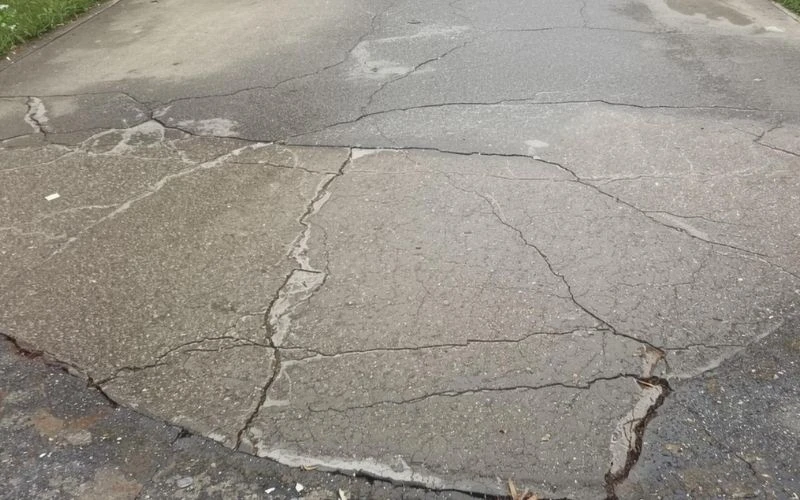
Most sinking driveways don’t fail because of the concrete you see—they fail because of what’s underneath. Poor compaction, weak soil, bad drainage, or rushed preparation are usually the culprits. Whether you're planning a new install or researching for concreting services in Hallam, remember: fix the base, manage water properly, and you’ll avoid expensive repairs later.
Why Do Driveways Sink In The First Place?
Here’s something surprising: in Melbourne’s southeast growth corridors, ground movement and reactive clay soils contribute to a large percentage of minor structural issues in residential properties. And yes, that includes driveways.
Think of your driveway like a cake. The concrete on top is just the icing. If the sponge underneath is soft or uneven, the whole thing collapses. Meanwhile, water seeps in, soil shifts, vehicles add pressure—and suddenly you’ve got dips, cracks, or sections that look like they’re melting into the ground.
The real issue usually lies beneath the slab.
Common causes include:
- Poorly compacted subgrade
- Expansive clay soil
- Inadequate drainage
- Thin base layers
- Heavy vehicles exceeding design limits
Interestingly, many homeowners only notice the problem months or even years after installation. By then, repairs can cost far more than proper preparation would have.
What Happens Beneath A Concrete Driveway?
Before any concrete is poured, there should be three critical layers:
- Subgrade (natural soil) – This must be stable and compacted.
- Base layer (usually crushed rock) – Provides load distribution.
- Concrete slab – The visible finished surface.
If the soil underneath isn’t compacted correctly, it settles over time. In areas like Hallam, where clay content can be high, soil expands when wet and shrinks when dry. That constant movement? It’s tough on concrete.
An easy way to picture it: imagine parking your car on a trampoline. Even small movement underneath will eventually crack the rigid surface above.
How Does Poor Compaction Cause Sinking?
Compaction sounds technical, but it’s simple. It means compressing soil tightly so there are no air pockets. If this step is rushed—or skipped—the soil will naturally compress later under the weight of vehicles.
Here’s a quick checklist contractors should follow before pouring:
- Remove organic material (roots, debris, loose soil)
- Compact natural soil using mechanical compactors
- Add crushed rock base (usually 75–100mm minimum)
- Compact again in layers
- Ensure correct slab thickness (typically 100mm for residential driveways)
With affordable concreting in Hallam, proper base preparation should take just as much time as the concrete pour itself. It’s not an extra step—it’s what prevents sinking, cracking, and costly repairs later.
Can Water Be The Real Culprit?
Absolutely. Water is sneaky.
If drainage isn’t planned properly, rainwater seeps under the slab. Over time, it erodes soil or softens clay beneath. Then comes the sinking.
Watch for these warning signs:
- Water pooling near driveway edges
- Soil erosion along sides
- Gaps forming between driveway and house
- Cracks widening after heavy rain
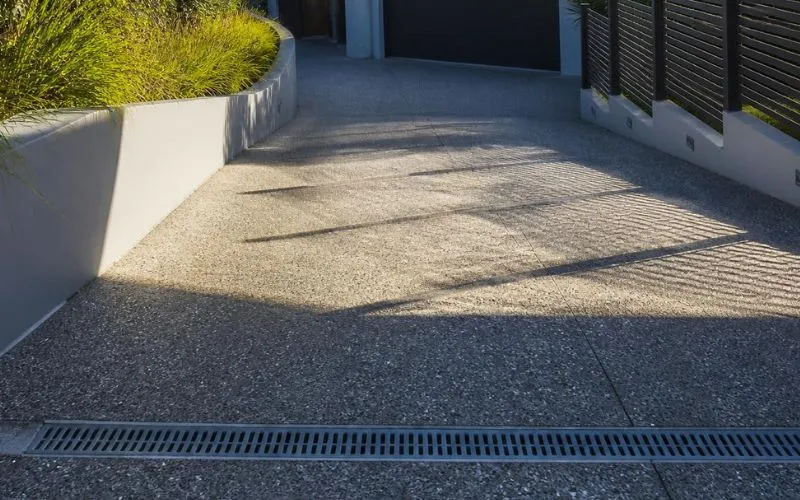
Meanwhile, installing proper fall (a slight slope away from structures) makes a massive difference. Even a small gradient of 1:100 helps water move away instead of sitting underneath your slab.
Are Some Areas More Prone To Driveway Movement?
Yes—and local soil conditions matter.
In Endeavour Hills, for example, sloped blocks combined with reactive soil can increase the risk of movement if the base isn’t prepared correctly. Meanwhile, newly developed estates often contain fill material that hasn’t fully settled.
That’s why experienced concreters in Endeavour Hills often recommend soil testing before major driveway installations. It sounds excessive—but it’s far cheaper than replacement.
According to Australian building guidelines, reactive clay can cause ground movement of up to 75mm seasonally. That’s significant when you’re working with rigid materials like concrete.
How Can You Prevent A Driveway From Sinking?
Prevention starts before the first truck arrives.
Here’s a practical step-by-step approach:
- Assess the soil type. Clay-heavy? Sandy? Filled land?
- Excavate to proper depth. Don’t skimp here.
- Install a compacted crushed rock base. Layer and compact thoroughly.
- Ensure correct slab thickness. Match it to expected vehicle load.
- Plan drainage carefully. Include slope and edge support.
- Allow proper curing time. Rushing traffic onto fresh concrete weakens it.
Meanwhile, regular maintenance helps too. Seal cracks early. Keep edges supported. Avoid parking heavy machinery where the slab wasn’t designed for it.
When Should You Be Concerned About A Sinking Driveway?
Hairline cracks? Normal.
Large dips, trip hazards, or pooling water? That’s your cue.
If one side of your driveway sinks noticeably, it may indicate base failure or water erosion underneath. Addressing it early can sometimes allow for slab lifting or localized repair rather than full replacement.
Final Takeaway: What Should You Do Next?
Before installing—or replacing—a driveway, focus on what’s beneath the surface. Concrete is strong. But it’s only as reliable as the foundation supporting it.
Quick Homeowner Checklist
- Check for pooling water or erosion
- Inspect for widening cracks
- Confirm proper slope away from house
- Ask about soil type before installation
- Ensure base compaction isn’t rushed
A well-built driveway should last 20–30 years. The secret isn’t fancy finishes. It’s solid groundwork.
Because when it comes to sinking driveways, what you don’t see matters most.




























Sign in to leave a comment.