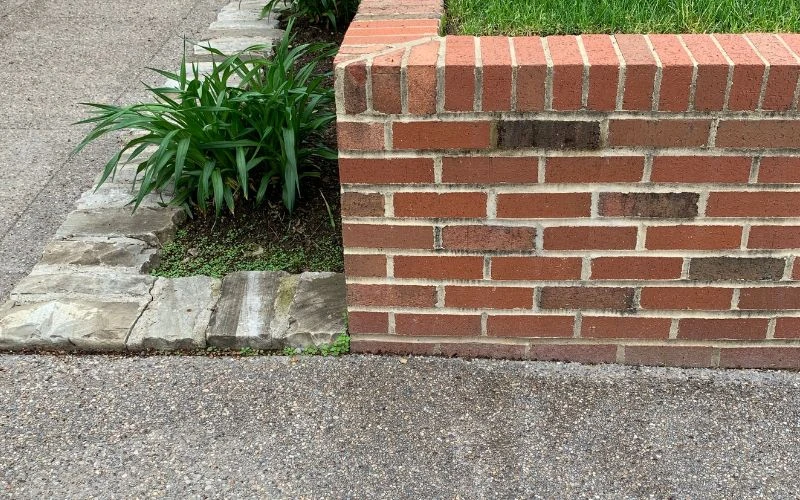

Block sizes across Melbourne have been shrinking for years. In many newer estates, average lot sizes are significantly smaller than they were two decades ago. That means every square metre counts — especially in the backyard.
So when homeowners hear they “need” a retaining wall to manage slope or soil movement, the first reaction is often panic: Is this going to eat up my lawn?
Interestingly, a poorly planned retaining wall can reduce usable space. But a smart one? It can actually make your yard feel bigger, flatter, and more functional.
Let’s unpack how.
Do Retaining Walls Automatically Reduce Lawn Space?
Short answer: no.
Long answer: they can — if designed badly.
Traditional bulky retaining walls with thick footings and unnecessary setbacks can take up valuable space. Meanwhile, slim, engineered solutions often require far less intrusion.
Think of it like furniture placement. A large couch shoved into a small living room makes it feel cramped. The right-sized couch? Suddenly, the space works.
The same logic applies outdoors.
Why Do Some Retaining Walls Waste So Much Space?
Here’s what usually causes space loss:
- Overbuilt wall thickness
- Poor alignment with natural slope
- Incorrect height planning
- Lack of tiered design on steep blocks
- No integration with the overall yard layout
In some cases, builders prioritise structural safety but overlook layout optimisation. That’s where thoughtful landscape design in Doncaster style planning becomes important — balancing engineering with aesthetics and usable space.
Can a Retaining Wall Actually Create More Usable Space?
Yes — especially on sloped blocks.
A sloping backyard often limits furniture placement, lawn usability, and even kids’ play areas. By retaining soil strategically, you can create:
- Flat lawn zones
- Defined garden beds
- Entertaining areas
- Safer walking paths
Meanwhile, tiered retaining walls can break steep gradients into manageable levels. Instead of one large unusable incline, you gain structured terraces.
Interestingly, many homeowners report their yard feels larger after proper retaining work — even if the overall footprint hasn’t changed.
What Is the Best Way to Design a Space-Saving Retaining Wall?
Here’s a practical step-by-step approach:
✔ Step 1: Assess the Natural Slope
Measure the gradient and identify where flattening will provide maximum benefit.
✔ Step 2: Choose Slimline Materials
Concrete sleepers, reinforced systems, and engineered block solutions frequently don't need as much depth as traditional masonry.
✔ Step 3: Build to Boundary Where Possible
Strategic placement near property lines preserves the central lawn area.
✔ Step 4: Consider Tiered Designs
Two smaller walls often preserve more space than one large, bulky structure.
✔ Step 5: Integrate Drainage Properly
Poor drainage can force thicker builds later due to structural reinforcement needs.
Professional landscaping in Cheltenham projects often focus heavily on integrating drainage early — preventing costly redesign later.
How Thick Does a Retaining Wall Need to Be?
It depends on height and soil load.
Generally:
- Low walls under 600mm may require minimal footing
- Higher walls require reinforced footing and engineering
- Soil type influences wall thickness significantly
Clay-heavy soils common in parts of Melbourne expand and contract with moisture. This requires careful engineering — but not necessarily excessive bulk.
An easy way to avoid overbuilding? Engage a professional early to calculate load requirements accurately.
What Mistakes Make Backyards Feel Smaller?
Even beyond wall thickness, layout matters.
Common space-shrinking errors include:
- Installing garden beds too deep
- Poorly positioned steps
- Not aligning retaining walls with entertaining zones
- Ignoring visual flow
Think of retaining walls as structure — not obstacles. When aligned with seating areas or lawn edges, they can define space beautifully instead of crowding it.
Does Material Choice Affect Visual Space?
Absolutely.
Lighter tones reflect more light and create openness. Clean horizontal lines can make narrow yards feel wider. Too dark or thick materials, on the other hand, might make a place look smaller.
Small design tweaks influence perception significantly.
Conclusion: How to Build a Retaining Wall Without Losing Your Lawn
Before assuming a retaining wall will shrink your yard, consider this checklist:
✔ Measure slope accurately
✔ Choose slim, engineered wall systems
✔ Build strategically along boundaries
✔ Use tiered designs for steep blocks
✔ Plan drainage early
✔ Align walls with overall landscape layout
✔ Select materials that enhance openness
Retaining walls don’t have to steal your backyard. Done thoughtfully, they can unlock usable space you didn’t even realise you had.
It’s not about building bigger. It’s about building smarter.























Sign in to leave a comment.