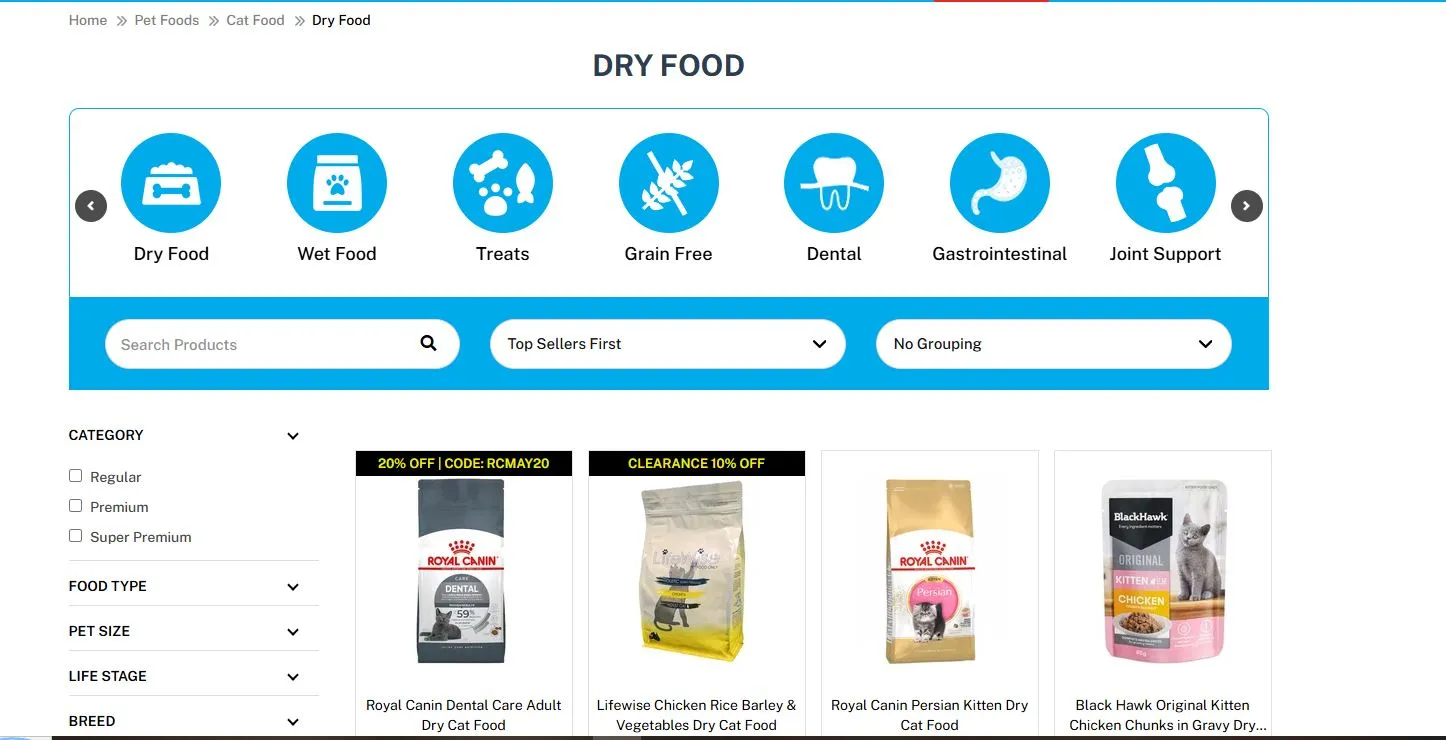

What Is Dry Cat Food?
Dry cat food, often called kibble, is one of the most widely used and trusted feeding options for cats around the world. At first glance, it may look like simple crunchy pellets, but in reality, it’s a carefully formulated product designed to deliver complete and balanced nutrition in every bite. Each piece of kibble contains a precise mix of proteins, fats, carbohydrates, vitamins, and minerals, ensuring that your cat gets everything it needs to stay healthy and active.
Cats are obligate carnivores, which means their bodies are naturally designed to thrive on animal-based protein. That’s why high-quality dry cat food typically includes real meat like chicken, fish, or lamb as its primary ingredient. Along with protein, it contains essential nutrients such as taurine, which supports heart health and vision, and omega fatty acids that promote a shiny coat and healthy skin. These nutrients are not just added randomly—they are scientifically measured to meet feline dietary standards.
Another defining feature of dry cat food is its low moisture content, usually around 6–10%. This makes it incredibly easy to store and gives it a long shelf life. However, it also means your cat must drink enough water to stay hydrated. When you think about it, dry cat food is like a compact nutrition system—simple on the outside but highly sophisticated on the inside.
Why Cat Owners Prefer Dry Food
Dry cat food has become a staple in households for a reason—it fits seamlessly into modern lifestyles. One of the biggest advantages is its convenience. You can measure it quickly, store it without refrigeration, and even leave it out for your cat to eat throughout the day without worrying about spoilage. For pet parents with busy schedules, this flexibility is incredibly valuable.
Cost is another major factor. Compared to wet food, dry cat food is significantly more affordable, making it a practical option for families with multiple cats. You get more servings per pack, which means better value over time. It’s like buying in bulk—you save money while ensuring your pet is always fed.
There’s also the benefit of consistency. Every serving of dry cat food delivers the same balanced nutrition, eliminating the guesswork that often comes with homemade diets. Plus, many cats enjoy the crunchy texture, which adds a sensory element to their meals.
Add to that its compatibility with automatic feeders and easy storage, and it’s clear why dry cat food continues to dominate the market. It’s not just about feeding your cat—it’s about making life easier while still providing high-quality nutrition.
What Goes Into Dry Cat Food
Core Ingredients Explained
The ingredients in dry cat food play a crucial role in determining its quality and nutritional value. At the heart of every good formula is animal-based protein, which serves as the primary source of energy and muscle support for cats. Ingredients like chicken, turkey, or fish are commonly used because they provide essential amino acids that cats cannot produce on their own.
Fats are another important component, supplying energy and supporting skin and coat health. Healthy fat sources such as fish oil or chicken fat are often included in premium formulas. Carbohydrates, while not essential in large amounts, are used to provide energy and help maintain the structure of the kibble.
In addition to these macronutrients, dry cat food contains a range of vitamins and minerals that support overall health. These include calcium for strong bones, vitamin A for vision, and antioxidants that help boost the immune system. The goal is to create a balanced formula where every ingredient contributes to your cat’s well-being.
Additives and Nutritional Enhancers
When you read the label on a bag of dry cat food, you might notice a list of additives and wonder what they do. Not all additives are bad—in fact, many are essential for maintaining the quality and nutritional value of the food. For example, taurine is added because cats cannot produce it naturally, yet it is vital for their health.
Preservatives are used to extend shelf life and prevent spoilage. High-quality brands often use natural preservatives like vitamin E instead of artificial chemicals. Some formulas also include probiotics to support digestive health or omega fatty acids for skin and coat improvement.
The key is to distinguish between beneficial additives and unnecessary fillers. While some ingredients enhance nutrition, others are added mainly to reduce costs. Choosing a product with high-quality ingredients ensures your cat gets the best possible diet.
How Dry Cat Food Is Made
Step-by-Step Manufacturing Process
The process of making dry cat food is both complex and fascinating. It begins with grinding raw ingredients into a fine mixture, which is then combined with water to form a dough. This dough is cooked under high pressure and temperature, ensuring that it is safe and easy to digest.
Next, the cooked mixture is pushed through an extruder, which shapes it into small, uniform pieces. These pieces are then dried to remove moisture, giving them their characteristic crunch. Finally, the kibble is coated with fats and flavor enhancers to improve taste and aroma.
This process ensures that every piece of kibble is consistent in size, texture, and nutritional content. It’s like mass-producing perfectly balanced meals for your cat—efficient, reliable, and safe.
Ensuring Nutrient Quality
Maintaining nutrient quality during production is a critical challenge. High temperatures can sometimes reduce the effectiveness of certain vitamins and minerals. To address this, manufacturers often add these nutrients after the cooking process to ensure they remain intact.
Advanced techniques are also used to preserve the quality of proteins and fats. This ensures that your cat receives the full nutritional benefit of each ingredient. The result is a product that combines safety, taste, and nutrition in one convenient package.
Nutritional Needs of Cats
Protein Requirements
Protein is the cornerstone of a cat’s diet. It supports muscle development, energy production, and overall health. Cats require higher levels of protein than many other animals, making it essential to choose a dry food that prioritizes animal-based sources.
Essential Vitamins and Minerals
Vitamins and minerals play a supporting role in maintaining your cat’s health. They contribute to everything from bone strength to immune function, ensuring your cat stays active and healthy.
Benefits of Dry Cat Food
Affordability
Dry cat food is budget-friendly and provides excellent value for money.
Convenience and Storage
It’s easy to store, doesn’t spoil quickly, and fits into busy lifestyles.
Dental Health Advantages
The crunchy texture helps reduce plaque buildup on teeth.
Drawbacks of Dry Cat Food
Low Moisture Content
Cats must drink enough water to compensate for the lack of moisture.
Overfeeding Risks
Free feeding can lead to weight gain if not controlled.
Dry vs Wet Cat Food
Key Differences
| Feature | Dry Food | Wet Food |
|---|---|---|
| Moisture | Low | High |
| Cost | Affordable | Higher |
| Storage | Easy | Refrigeration needed |
Which Is Better for Your Cat?
A combination of both often provides the best balance of nutrition and hydration.
Choosing the Right Dry Cat Food
Reading Labels
Look for real meat as the first ingredient and avoid fillers.
Avoiding Low-Quality Fillers
Choose products with high nutritional value and minimal artificial additives.
Dry Cat Food by Life Stage
Kittens
Need high protein and calories for growth.
Adult Cats
Require balanced nutrition for maintenance.
Senior Cats
Benefit from specialized formulas.
Special Dietary Needs
Weight Management
Low-calorie options help maintain a healthy weight.
Allergies and Sensitivities
Limited ingredient diets reduce reactions.
Urinary Health
Special formulas support hydration and organ health.
Feeding Tips for Best Results
Portion Control
Measure food to prevent overeating.
Mixing Dry and Wet Food
Combining both improves hydration and nutrition.
Conclusion
Dry cat food is more than just a convenient feeding option—it’s a carefully crafted nutritional solution designed to meet the diverse needs of cats at every stage of life. By understanding its ingredients, benefits, and limitations, you can make informed decisions that support your cat’s health and happiness. With the right approach, dry cat food can be the foundation of a balanced and fulfilling diet.
FAQs
1. Is dry cat food enough for my cat?
Yes, if it is high-quality and your cat drinks enough water.
2. Can I mix dry and wet cat food?
Yes, it provides balanced nutrition and better hydration.
3. How much dry food should I feed daily?
Follow feeding guidelines based on your cat’s weight and activity.
4. Is dry food safe for kittens?
Yes, if it is specifically formulated for kittens.
5. What should I avoid in dry cat food?
Avoid artificial additives and excessive fillers.


















Sign in to leave a comment.