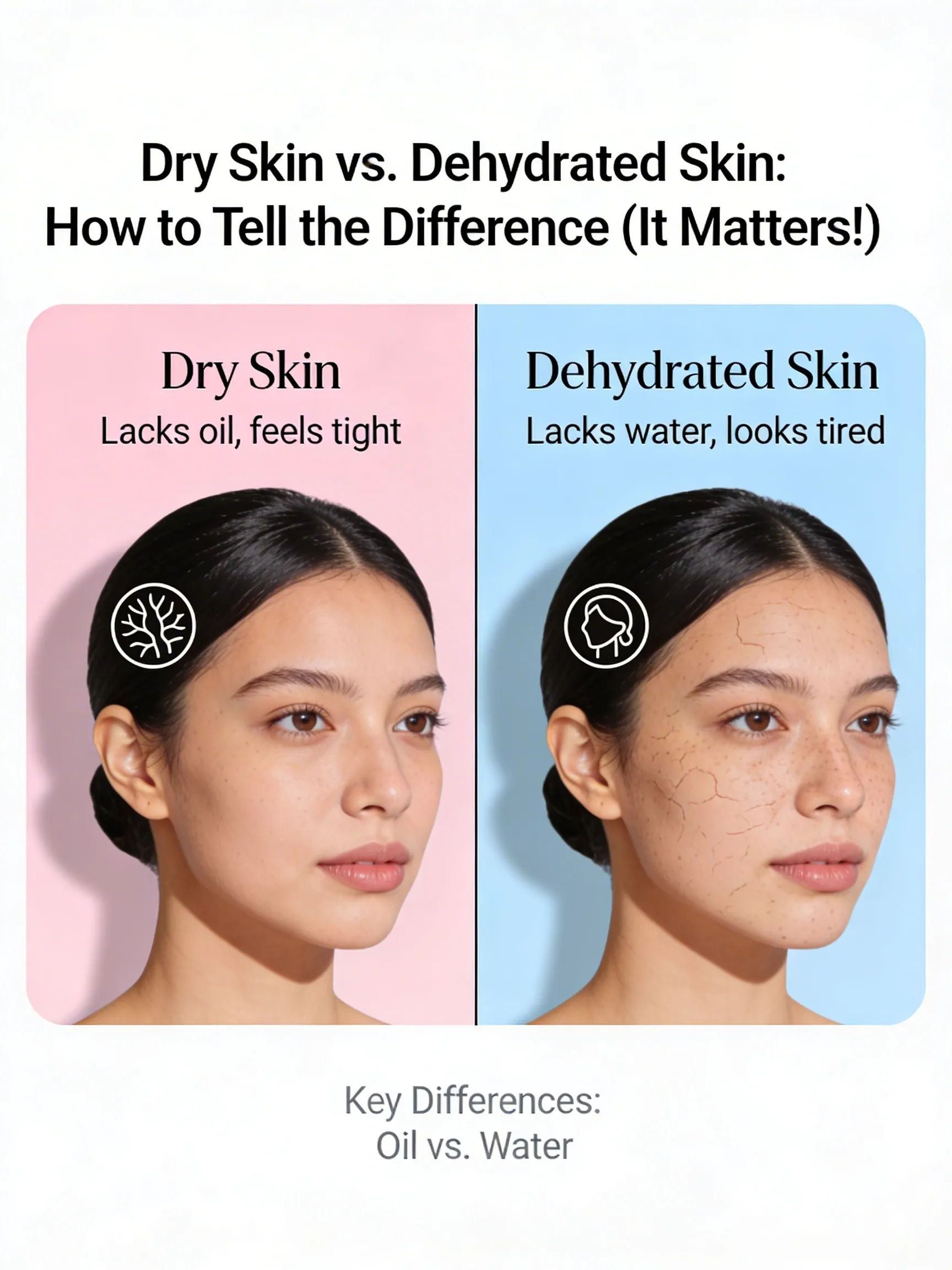

Most people use the words dry skin and dehydrated skin like they mean the same thing. They do not. And honestly, mixing them up is one of the main reasons so many people spend money on products that just do not seem to work for them.
If you have ever piled on moisturiser and still felt uncomfortable, or your skin looked dull no matter what you used, there is a good chance you were treating the wrong problem. So let us break this down in a way that actually makes sense.
What Is Dry Skin, Really?
Dry skin is a skin type. You are mostly born with it, or it develops based on your genetics and how your skin naturally behaves.
People with dry skin have sebaceous glands that simply do not produce enough natural oil or sebum. Because of this, the skin's surface lacks the lipid layer it needs to stay protected and soft. Without enough oil, the skin cannot hold itself together properly and that is why dry skin often feels rough, flaky, and tight, especially after washing your face.
Dry skin is not something that goes away with one good drink of water or a single skincare product switch. It is a long-term skin condition that needs consistent care and the right products every single day.
Some common signs that you have dry skin are visible flaking or peeling, a constantly rough texture, skin that feels tight even after applying products, and redness or irritation that seems to stick around no matter what.
What Is Dehydrated Skin?
Here is where it gets interesting. Dehydrated skin is not a skin type. It is a skin condition. And that is an important difference.
Dehydrated skin means your skin is lacking water, not oil. And here is the part most people miss. Even oily skin can be dehydrated. Even combination skin can be dehydrated. Any skin type can experience dehydration at any time.
Dehydration is caused by external factors. Not drinking enough water is one reason, but it is not the only one. Things like too much caffeine, alcohol, air conditioning, harsh weather, over-cleansing, using the wrong products, or even just going through a stressful period can all pull water out of your skin faster than it can hold onto it.
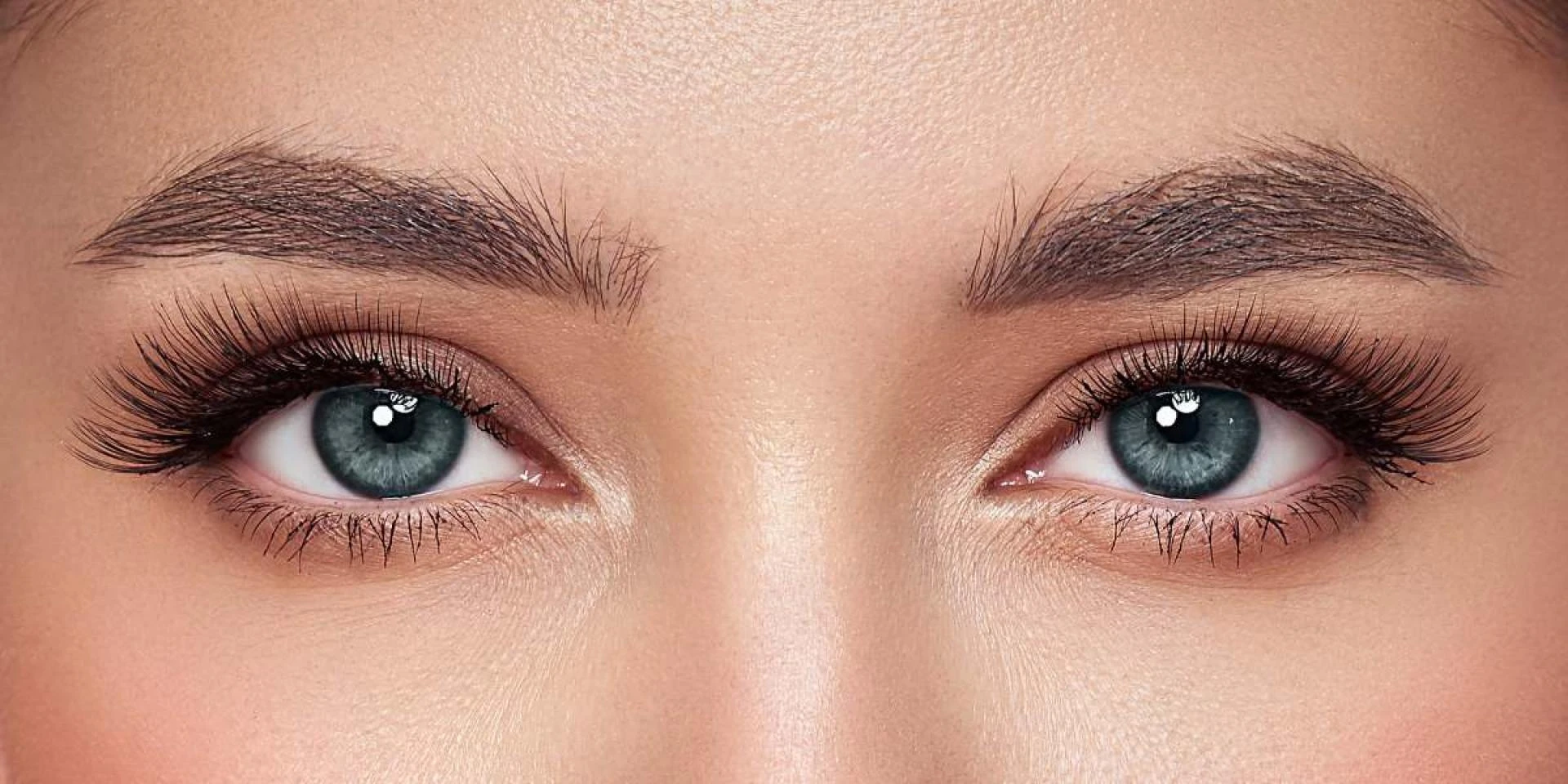
Common signs of dehydrated skin include a dull and tired-looking complexion, fine lines that seem to appear out of nowhere, skin that feels tight but is not flaky, and a kind of sunken or hollow look under the eyes.
The Pinch Test That Actually Helps
Here is a simple way to check which one you might be dealing with. Gently pinch a small area of your cheek between your fingers and hold it for a second before letting go.
If your skin snaps back quickly and looks fine, your skin is likely well-hydrated.
If it takes a moment to bounce back or you see tiny fine lines or a slightly crinkled texture when you pinch, your skin is probably dehydrated.
This does not replace a dermatologist visit, but it gives you a real starting point.
Why Treating the Wrong One Does Not Work
This is the heart of the issue. If your skin is dehydrated but you keep loading it up with heavy oil-based creams because you think it is dry, you might end up with clogged pores and breakouts while the real problem, lack of water, goes untreated.
On the flip side, if your skin is actually dry but you only drink more water and use a lightweight hydrating serum, you are missing the oil your skin needs to function properly.
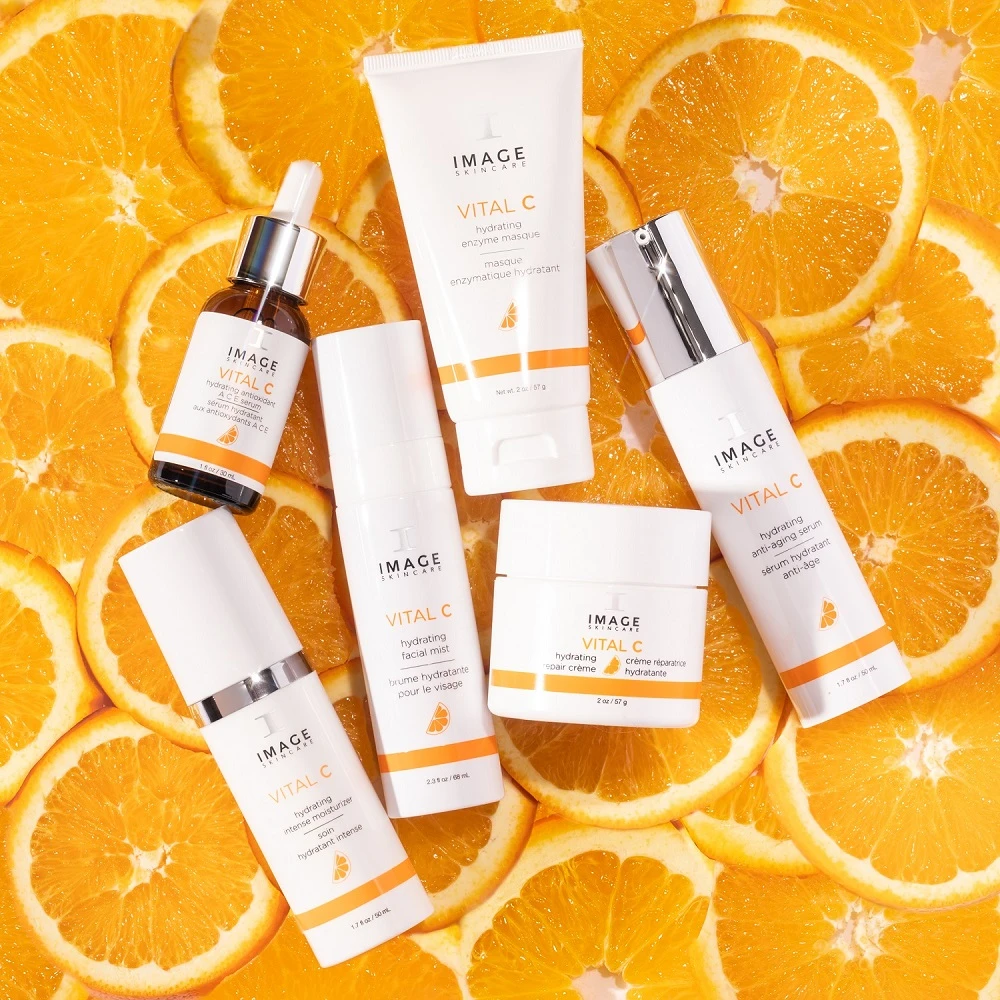
The products you choose matter a lot here. If you are dealing with dry skin, you need a good moisturiser for hydration that contains ingredients like ceramides, shea butter, or fatty acids that help rebuild the skin's lipid barrier. These ingredients do not just sit on top of the skin. They work inside the barrier to keep it strong and protected.
If your skin is dehydrated, you need water-based hydration. Ingredients like hyaluronic acid, glycerin, and aloe vera pull water into the skin and hold it there. These are humectants, and they are the best friends of a dehydrated complexion.
Choosing the Right Cleanser Matters More Than You Think
One thing people rarely connect to their skin problems is their face wash. But your cleanser is the very first step of your routine, and if it is too harsh, it strips away whatever moisture or oil your skin is trying to hold onto before anything else even gets a chance to work.
For dry skin, the best cleanser for dry skin is always going to be something creamy, gentle, and non-foaming. Foaming cleansers with sulfates might feel satisfying, but they can leave dry skin even more stripped and uncomfortable.
For dehydrated skin, the approach is similar. You want something that cleans without disrupting your skin barrier. A mild, hydrating cleanser that does not leave your skin feeling tight after rinsing is always the right call.
Can You Have Both at the Same Time?
Yes, absolutely. And this is more common than most people realise.
You can have a dry skin type that is also currently dehydrated. This usually happens during summer when heat and air conditioning both pull moisture from the skin, or during winter when cold air and indoor heating create the same effect.
When this happens, your skin needs both. Oil replenishment to address the dry skin type and water replenishment to address the dehydration. A good moisturiser for hydration in the skin that combines both occlusive and humectant ingredients works really well here. Apply a hydrating serum with hyaluronic acid first, then seal everything in with a richer moisturiser on top.
Simple Routine Direction Based on What You Have
If you have dry skin, focus on adding oil and lipids back into your routine. Use a creamy, gentle cleanser, follow with a nourishing moisturiser, and avoid anything with alcohol or strong fragrance.
If your skin is dehydrated, focus on water and hydration at every step. Use a hydrating cleanser, apply a water-based serum with glycerin or hyaluronic acid, and drink more water consistently throughout the day.
If you have both, layer your routine. Hydrate first with a water-based product and then moisturise with something richer to lock everything in.
Conclusion
Dry skin and dehydrated skin feel similar, but they are very different problems with very different solutions. Taking a few minutes to figure out which one you are actually dealing with can completely change the results you get from your skincare routine.
Stop guessing and start paying attention to what your skin is actually telling you. Because once you know the real problem, fixing it becomes a lot simpler than you think.



























Sign in to leave a comment.