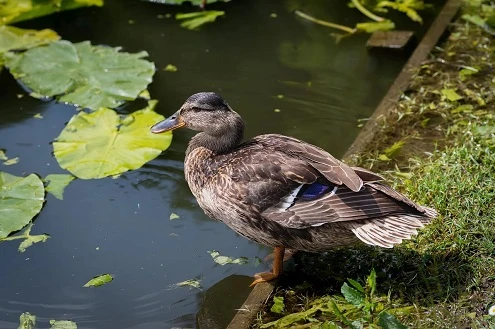

I still remember the day we brought home our first little fluff-balls. They were tiny, noisy, and absolutely adorable. I'd read every book on raising ducks I could find, but nothing prepared me for the sheer panic of staring at the feed store aisle. Starter crumble, layer pellets, grower mash... where do I even begin? It felt a lot like navigating the complex documentation for a new software deployment intimidating, but absolutely critical for a successful outcome.
Getting your ducks' nutrition right is non-negotiable. It impacts their growth, their feather quality, their temperament, and of course, the quality of your duck eggs. You can’t just toss them bread scraps and call it a day! Let’s break down the essential dietary stages so you can feed your flock with confidence, not confusion.
The Foundation: Brooding and the Early Days (Weeks 1–3)
This is the most sensitive time for your little crew. Ducklings grow incredibly fast much quicker than chicks and they need a specific nutritional profile to support that rapid development.
The biggest mistake new owners make is feeding medicated chick starter. Never feed medicated feed to ducklings! They eat so much so quickly that they can easily overdose on the coccidiostat often present in chick feeds.
What to Feed:
· Unmedicated Waterfowl Starter Crumble: This is the gold standard. It should have a high protein content, generally around 20–22%.
· Niacin Boost: Ducklings require a significant amount of Niacin (Vitamin B3) for proper leg and bone development. If you can’t find a dedicated waterfowl feed, you must supplement with brewer’s yeast. A common ratio is adding 1.5 to 2 tablespoons of brewer's yeast per cup of feed. Trust me, skipping this step can lead to heartbreaking issues like "spraddle leg."
A Pro Tip: Keep the feed readily available 24/7. And always, always keep fresh, clean water right next to it, deep enough for them to clear their nostrils.
Moving Up: The Grower Stage (Weeks 4–20)
Once your ducklings have their main set of feathers (usually around 4-5 weeks), it's time to ease off the accelerator. Continuing with 22% protein feed past this point can lead to a condition called "angel wing," where the bones grow too fast for the supporting ligaments.
What to Feed:
· Waterfowl Grower/Maintenance Feed: Drop the protein down to about 16%. This provides enough energy for healthy growth without stressing their bone structure.
· Limited Treats: This is when you can start introducing small amounts of "extras." Think chopped lettuce, peas, or corn (in moderation). They’ll love scratching for these in their pen, which keeps these social birds mentally stimulated.
This phase is where you start to see their personalities emerge. The little Drake duck might start practicing his low, raspy calls, and you might even catch a bit of early social interaction like a tiny, aggressive duck head bobbing during a turf war over a piece of cabbage. They’re still teenagers, essentially!
Peak Production: The Layer Stage (20 Weeks and Beyond)
Once your ducks reach maturity, typically around 5–7 months (depending on the breed), their nutritional needs shift again, especially if they are actively producing those beautiful, rich duck eggs.
What to Feed:
· Waterfowl Layer Pellet/Crumble: The protein content here should settle around 16–18%, but the crucial difference is the Calcium level. Layer feed is formulated to ensure they have enough calcium to form hard, healthy shells.
· Oyster Shells: Offer crushed oyster shells in a separate container, free-choice. Ducks are smarter than you think; they only consume what they need. If they are in heavy production, they'll gobble it up. If they're molting, they might ignore it.
· Plenty of Forage: Ducks are incredible foragers. Giving them access to grass, weeds, and bugs outside their duck coop is not just great nutrition; it’s excellent enrichment.
Relationship Observation: You’ll notice the mature Drake waterfowl will spend a lot of time near his favorite hens. He might perform his characteristic courtship display a quick, sharp head bobbing with a little shake to show he’s ready to mingle. It's their unique, charming version of flirting! If you see his head bobs often, you know he’s a happy, well-fed boy.
The Off-Season and Drakes (Maintenance)
For flocks that are not currently laying (like during a winter break or molt) or for an all-Drake duck flock, a simple maintenance feed is fine. A good 14% protein feed will keep them healthy and happy without providing excess energy they don't need.
The key takeaway? Consistency. Find a high-quality waterfowl feed and stick with it, adjusting only for the stage of life they are in. They thrive on routine, and your careful attention to their diet will pay off tenfold in their happiness and health.
Getting the right feed is one of the biggest challenges in raising ducks, but once you nail the stage-specific nutrition, the rest is smooth sailing. You'll move from feeling like a nervous beginner to a confident flock manager in no time. Now that you've mastered the menu, the next step is perfecting the habitat.
































Sign in to leave a comment.