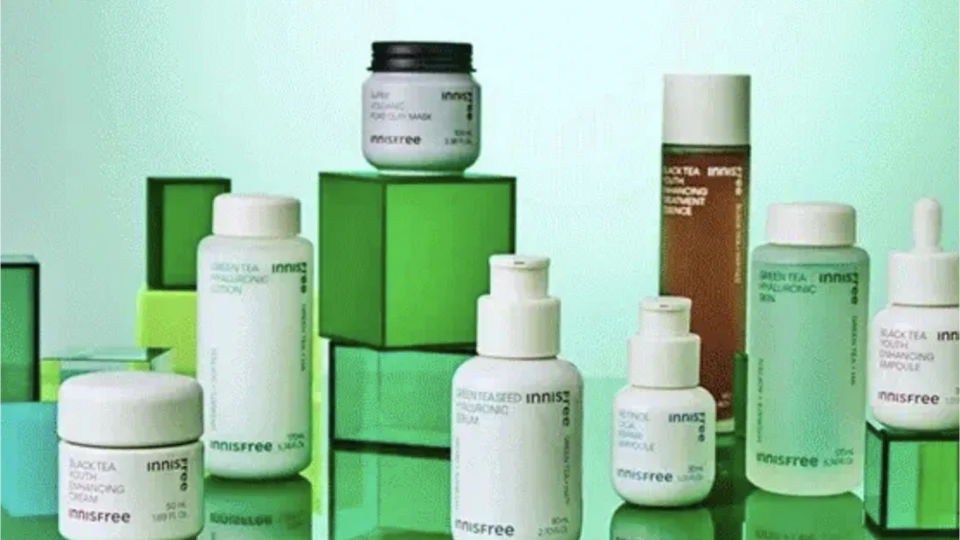

There’s something very satisfying about a clean slate. I still remember the first morning I switched to an Innisfree cleanser it felt like wiping the OS cache on a sluggish laptop. Suddenly everything ran smoother: serums absorbed better, my moisturizer sat nicely, and makeup didn’t pill. If you’re into Innisfree products or curious about korean skin care products, learning how to layer after cleansing is one of those small rituals that unlocks a lot of value. Think of it like building a software stack: order matters, compatibility matters, and testing helps you optimize.
Why layering matters (and why order is like dependency resolution)
Layering isn’t beauty theater it’s functional. Each product has a role: treatment, hydration, protection. Apply them in the wrong order and you waste product, clog pores, or get patchy results. In IT terms: don’t install the frontend before the backend. Start with the thinnest, water-based textures and move to heavier creams and shields. After an Innisfree cleanser, your skin is primed to receive actives and hydration just like a freshly deployed server is ready for services.
Step-by-step layering routine after an Innisfree cleanser
1. Toner or essence (lightweight, fast-absorbing)
After rinsing with your Innisfree cleanser, gently pat your face dry and reach for a toner or hydrating essence. These are lightweight and re-balance pH while delivering the first sip of hydration. If you use korean skin care products, you’ll notice how popular essences are they bridge cleansing and treatment without feeling heavy.
2. Treatment serums (actives: vitamin C, retinol alternatives, niacinamide)
Next come targeted treatments. This is the place for serums addressing your top concerns: brightening, acne, or texture. Ingredients like vitamin C or niacinamide are common in the best skin care products lists for good reason. Use one active at a time (or compatible combos), letting each absorb for a minute before the next step.
3. Lightweight hydrators (hyaluronic acid, gel creams)
If your serum wasn’t hydrating, add a layer that locks in moisture. Hyaluronic acid serums or light skin care products like gel creams fit here. They’re analogous to caching layers in an app small, fast results that help everything else perform better.
4. Eye cream (delicate, targeted)
Treat the eye area separately. Eye creams are formulated for thin skin and often contain peptides or other supportive actives. Tap, don’t rub.
5. Moisturizer / face cream
Now for the barrier: a proper innisfree face cream (or any quality moisturizer) seals everything in. This is your main hydration bodyguard. If your skin is dry, pick a richer formula; if it’s oily, choose a lighter one. This step is essential in recommendations for top skincare products because it prevents transepidermal water loss and keeps treatments working longer.
6. Sunscreen in the morning (the non-negotiable final layer)
In the daytime, finish with Innisfree sunscreen or any broad-spectrum SPF. You’ll also see references to innisfree spf in product lists it’s the last, protective shield. Sunscreen must be the final step (after moisturizer) so it can sit on the surface and block UV effectively.
7. Optional finishing touch: powder or makeup
If you prefer a matte finish, a light dusting of innisfree no sebum mineral powder can help control shine without disturbing sunscreen. It’s like adding a lightweight front-end theme over a robust backend cosmetic, but impactful.
Weekly add-ons: clay masks and exfoliation (when to use them)
Weekly or twice-weekly treatments need their own scheduling. A innisfree super volcanic pore clay mask or innisfree pore clay mask is great for deep cleaning and oil control; use it on nights you skip heavy actives and follow with soothing hydrators. Chemical exfoliants (AHAs/BHAs) should be spaced away from retinoids to avoid irritation. Think of deep cleans and migrations happening during scheduled maintenance windows, not during peak hours.
Mixing Innisfree with other brands: compatibility tips
If you love Innisfree products but also use other lines, compatibility matters. Avoid stacking multiple strong actives at once (like vitamin C + AHA + retinol). Patch-test new combos and introduce one product at a time similar to A/B testing in development. Many korean products are designed to be gentle and layerable, which makes mixing easier, but caution is still wise.
Quick routines for different skin goals
· Oily / acne-prone: Innisfree cleanser → toner → niacinamide serum → lightweight moisturizer → sunscreen → optional innisfree no sebum mineral powder.
· Dry / mature: Innisfree cleanser → hydrating essence → hyaluronic serum → innisfree face cream (richer) → sunscreen.
· Sensitive: Innisfree cleanser → calming toner → minimal serum → gentle moisturizer → sunscreen. Use innisfree clay mask sparingly.
Common mistakes to avoid
· Applying thick creams before water-based serums (the serums won’t penetrate).
· Skipping sunscreen no shortcut here.
· Using too many actives at once; more isn’t always better.
· Forgetting to let each layer absorb for 30–60 seconds.
A small story: the morning my routine stopped breaking my foundation
I used to layer products like a hectic developer pushing hotfixes directly to production. Makeup would pill, I’d get patchy patches, and I thought thicker meant better. After switching to an Innisfree cleanser and following a simple, ordered routine, my foundation sat smoothly my “deploys” finally succeeded. The biggest lesson? Order and patience beat quantity every time.
Conclusion treat your skin like your stack
Layering after an Innisfree cleanser is a bit like designing a resilient tech stack: thin-to-thick, essentials first, protective last, and regular maintenance wins the day. Whether you’re exploring best skin care products for a polished look or diving into korean skin care products culture, a thoughtful routine will save you time and frustration. Try the sequence above for a month, tweak like an experiment, and you’ll start seeing how small changes compound into clearer, happier skin.


























Sign in to leave a comment.