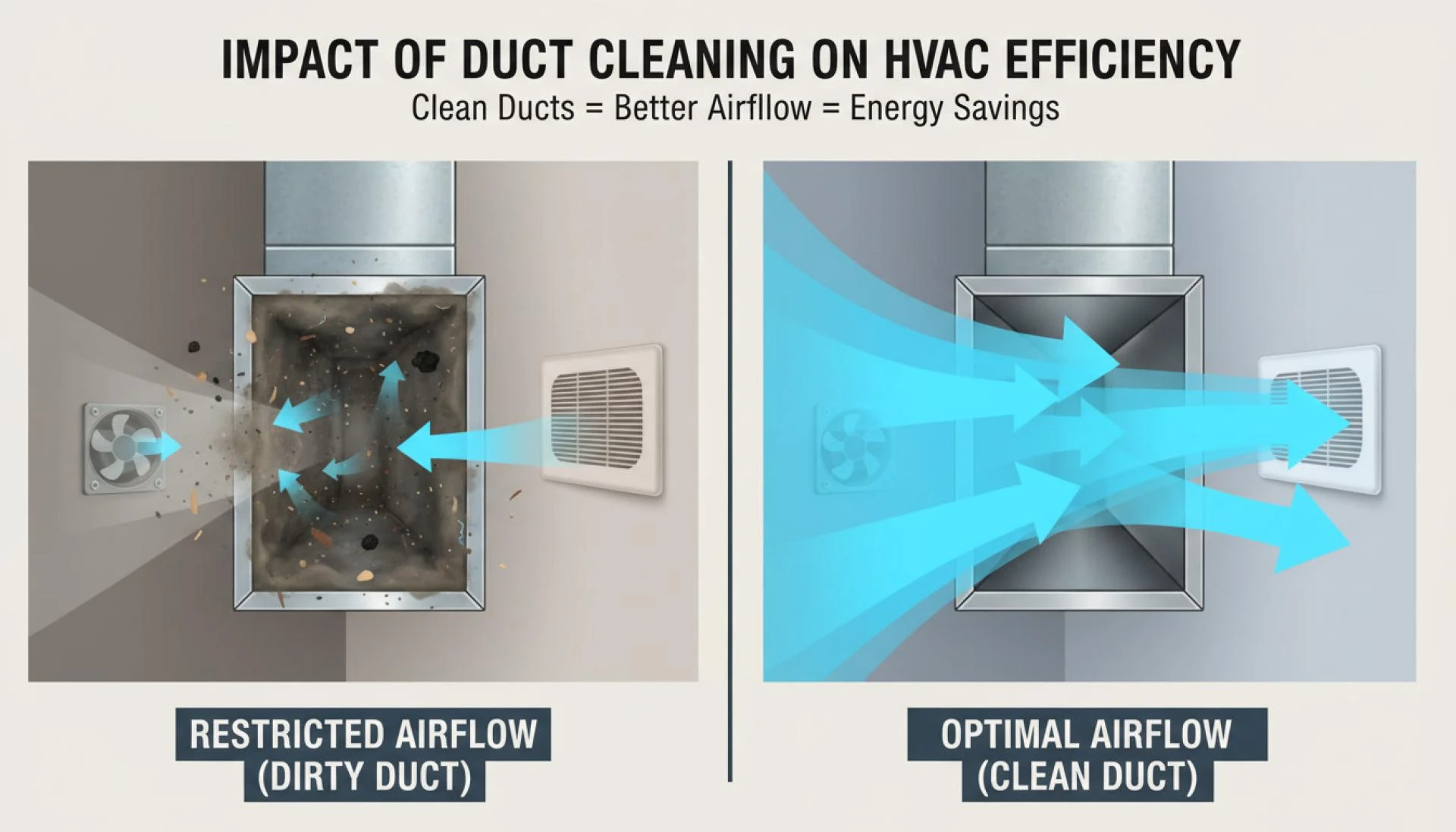

Heating, ventilation, and air conditioning (HVAC) systems play a central role in maintaining comfortable indoor environments. Whether in a family home or a large commercial facility, these systems regulate temperature, control humidity, and circulate air throughout the building. Over time, however, dust, debris, and other contaminants accumulate inside ductwork. This buildup can restrict airflow and force the HVAC system to work harder than necessary. Understanding how duct cleaning for homes and businesses enhances HVAC efficiency helps property owners make informed maintenance decisions.
Understanding the Role of Ductwork in HVAC Systems
Ductwork acts as the delivery network for conditioned air. When your HVAC system heats or cools air, it pushes that air through supply ducts into various rooms. Return ducts then carry air back to the system for reconditioning. This continuous cycle keeps indoor spaces comfortable.
When ducts remain clean and unobstructed, air flows freely. The HVAC system can reach desired temperatures quickly and maintain them with minimal strain. However, when dust, pet dander, construction debris, or even mold spores accumulate inside ducts, they create resistance. This resistance disrupts airflow and reduces overall system efficiency.
How Contaminated Ducts Reduce Efficiency
Restricted airflow stands as one of the most significant consequences of dirty ducts. As buildup thickens along duct walls, the effective diameter of the duct narrows. The HVAC blower must then work harder to push air through the system. This extra effort increases energy consumption and places additional stress on components such as the blower motor and heat exchanger.
In commercial settings, where HVAC systems often operate for extended hours, restricted airflow can significantly affect operational costs. Similarly, in residential homes, homeowners may notice uneven temperatures between rooms or longer run times during heating and cooling cycles.
When airflow becomes inconsistent, the thermostat may misread indoor conditions. The system continues running to meet the set temperature, even though some areas already feel comfortable. Over time, this inefficiency leads to higher utility bills and increased wear on the equipment.
The Impact on Energy Consumption
Energy efficiency depends heavily on smooth air circulation. When ducts remain clean, the HVAC system distributes air evenly and reaches target temperatures faster. This reduces the duration and frequency of operating cycles.
By contrast, clogged or dirty ducts force the system to compensate for airflow loss. The blower motor consumes more electricity, and heating or cooling components operate longer than necessary. Even a moderate reduction in airflow can translate into noticeable energy waste over months or years.
Professional air duct cleaning services address this issue by removing accumulated debris and restoring proper airflow. When airflow improves, the system can function as designed, which supports more efficient energy use across both residential and commercial properties.
Supporting Equipment Longevity
HVAC systems represent a significant investment. Routine maintenance plays a crucial role in protecting that investment. Dirty ductwork does not only affect airflow; it also influences internal components.
When debris circulates through the system, it can settle on coils, fans, and filters. This accumulation reduces heat transfer efficiency and may cause components to overheat. Over time, excessive strain increases the risk of mechanical failure.
By scheduling professional air duct cleaning services, property owners reduce the likelihood of debris recirculating through sensitive components. Cleaner ducts contribute to a cleaner system overall, which supports longer equipment life and fewer unexpected breakdowns.
Improving Air Distribution and Comfort
Efficiency involves more than energy savings. It also includes consistent and reliable performance. Uneven airflow often results from partial blockages within ductwork. Some rooms may feel too warm, while others remain too cool.
When technicians perform professional air duct cleaning services, they remove obstructions that disrupt balanced air distribution. Improved airflow allows each vent to deliver a more consistent volume of conditioned air. Occupants experience fewer hot or cold spots, and the system maintains comfort with less effort.
In commercial buildings, consistent airflow becomes especially important. Offices, retail spaces, and healthcare facilities rely on steady temperature control to maintain productivity and occupant satisfaction. Clean ducts support that stability.
Indoor Air Quality and System Performance
Although HVAC efficiency primarily relates to mechanical performance, indoor air quality also plays a role. Accumulated dust and debris inside ductwork can circulate throughout the building each time the system operates. While filters capture many particles, heavy buildup can still affect airflow and cleanliness.
Professional air duct cleaning services help remove contaminants that may otherwise continue circulating. When ducts remain clean, filters function more effectively, and the HVAC system operates under less strain. This synergy between cleaner air and smoother airflow enhances overall system performance.
Maintaining clean ducts does not replace the need for regular filter changes. Instead, both practices work together to support efficient HVAC operation.
When Duct Cleaning Makes the Most Difference
Not every building requires frequent duct cleaning. However, certain conditions increase the likelihood of airflow restrictions. Recent renovations, for example, often generate construction dust that settles inside ductwork. Buildings with high occupancy or heavy foot traffic may also accumulate debris more quickly.
In homes with pets, dander and hair can gradually collect in ducts. Commercial kitchens or manufacturing environments may introduce additional airborne particles into the system. In these cases, professional air duct cleaning services can significantly improve airflow and system efficiency.
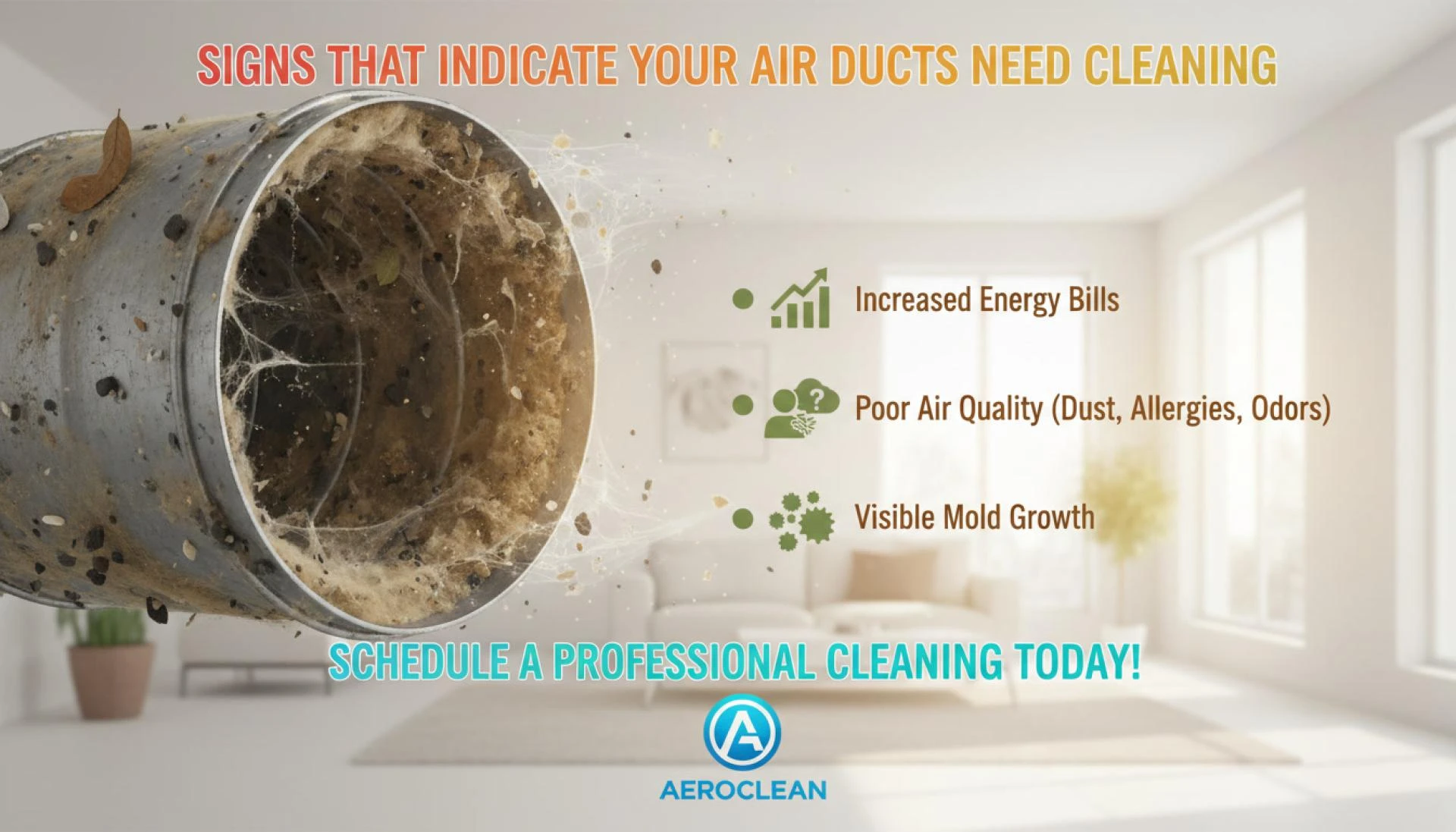
Property managers and homeowners should look for signs such as rising energy bills, uneven temperatures, excessive dust around vents, or unusual HVAC noises. While these symptoms do not always indicate dirty ducts, they warrant further inspection.
The Cleaning Process and Its Role in Efficiency
Technicians typically use specialized equipment to clean duct systems thoroughly. High-powered vacuums create negative pressure within the ductwork, preventing debris from spreading into indoor spaces. Agitation tools then dislodge buildup from duct surfaces so the vacuum system can remove it safely.
Professional air duct cleaning services often include cleaning supply and return ducts, registers, and sometimes key HVAC components. By removing accumulated debris from these areas, technicians restore smoother airflow pathways.
This restoration directly supports HVAC efficiency. With fewer obstructions, the blower motor operates under normal conditions, airflow improves, and the system maintains desired temperatures with less effort.
A Preventive Maintenance Perspective
Efficiency improves most when duct cleaning forms part of a broader maintenance strategy. Regular inspections, timely filter replacements, and periodic system tune-ups all contribute to optimal performance.
Professional air duct cleaning services should not serve as a quick fix for deeper mechanical problems. Instead, they complement other maintenance practices. When property owners approach HVAC care proactively, they reduce the risk of major repairs and maintain consistent energy performance.
In large commercial properties, facility managers often integrate duct assessments into routine building maintenance plans. In residential settings, homeowners may schedule inspections every few years, depending on usage and environmental conditions.
Long-Term Operational Benefits
Over time, small inefficiencies accumulate into substantial costs. Higher energy consumption, premature equipment wear, and inconsistent comfort all affect a building’s overall performance. Clean ductwork supports a system that runs smoothly, distributes air evenly, and uses energy responsibly.
Professional air duct cleaning services contribute to this long-term stability by addressing hidden buildup that many occupants never see. By maintaining clear airflow pathways, homes and businesses can operate HVAC systems closer to their intended design efficiency.
Understanding how duct cleaning enhances HVAC efficiency empowers property owners to make informed decisions about building maintenance. Clean ducts allow systems to breathe freely, deliver consistent comfort, and operate with reduced strain. When integrated into a thoughtful maintenance plan, duct cleaning becomes a practical step toward sustaining both performance and energy efficiency in homes and businesses alike.




















Sign in to leave a comment.