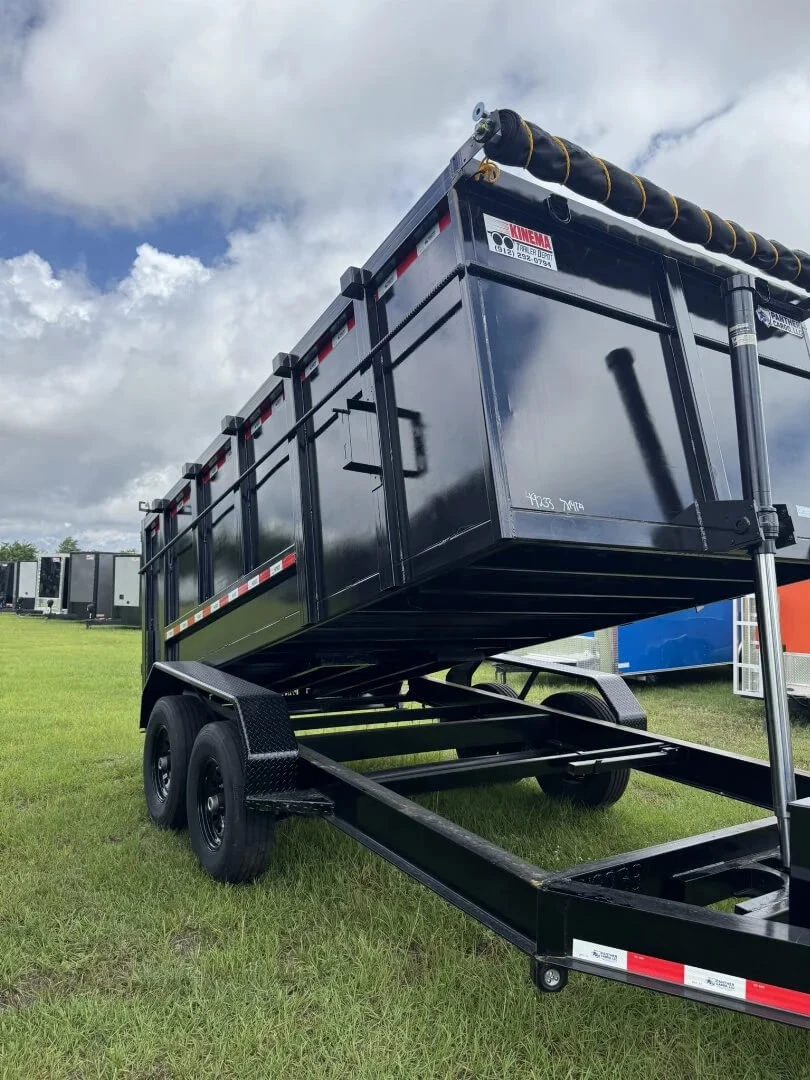

Operating a Dump Trailer comes with many advantages for transporting and unloading heavy loads, but it also carries serious safety responsibilities. Whether used on construction sites, farms, or landscaping projects, dump trailer require proper handling to avoid accidents, injuries, and costly damage. For startups, contractors, and independent operators, understanding and applying safety practices is crucial to ensure smooth operations and protect both people and equipment.
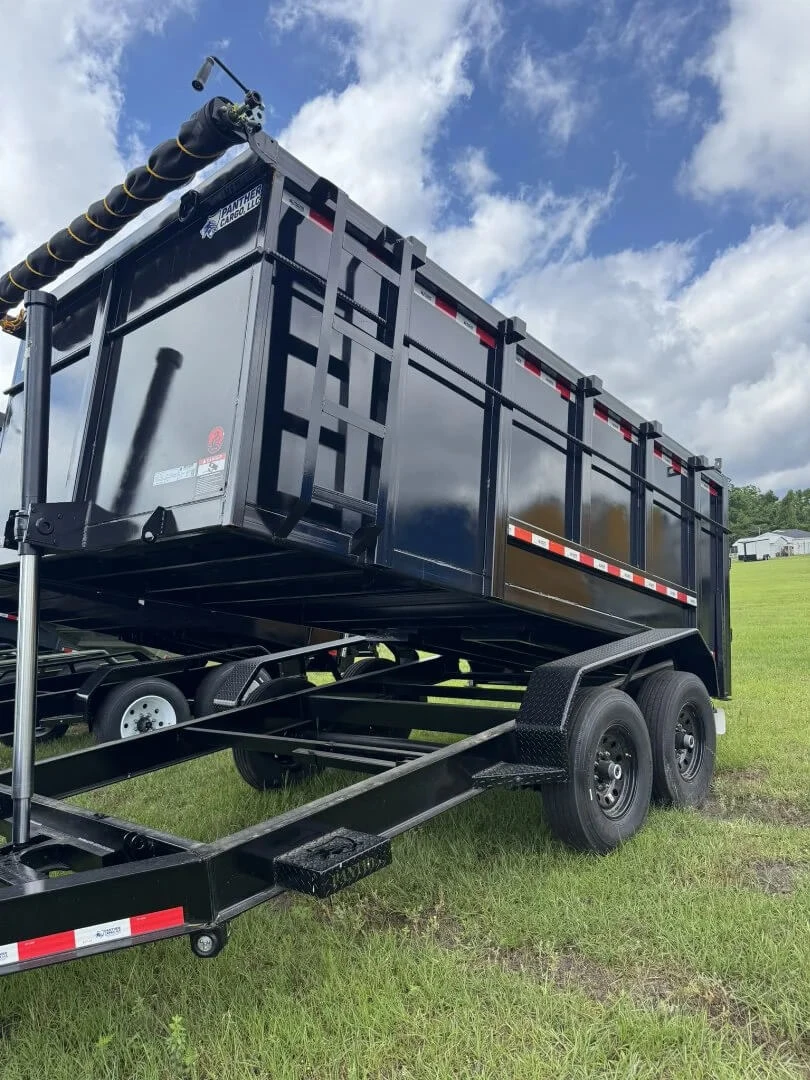
In this guide, we provide essential dump trailer safety tips every operator should know to keep operations safe and efficient.
Inspect the Dump Trailer Before Every Use
Routine inspections are the foundation of dump trailer safety. Before operating, always perform a comprehensive walk-around check. Inspect:
- Tires for wear, cracks, or low pressure.
- Hydraulic systems for leaks or malfunctions.
- Electrical connections and lights for proper function.
- Hitch components, safety chains, and couplers for security.
- Bed latches and locks to ensure they are fully operational.
A few minutes of inspection can prevent breakdowns and accidents during hauling or dumping.
Load Evenly and Avoid Overloading
One of the most common causes of accidents is improper loading. Operators should always:
- Distribute the load evenly across the trailer bed.
- Avoid placing too much weight at the rear, which can cause tipping.
- Respect the manufacturer’s weight capacity to avoid overloading.
- Use tarps or covers to prevent debris from spilling onto the road.
Proper loading ensures stability on the road and safe dumping at the site.
Secure the Load Properly
Loose materials or unsecured cargo can shift dangerously during transport. Operators should always secure the load with:
- Straps, chains, or netting for solid items.
- Sideboards or extensions when hauling bulk materials.
- Safety tarps to contain gravel, sand, or debris.
Securing the load is not just about safety; it is also required by law in most regions.
Practice Safe Dumping Procedures
Dumping is the most hazardous part of operating a dump trailer. To minimize risks:
- Always choose a level, stable ground for dumping.
- Ensure no one stands behind or beside the trailer during unloading.
- Raise the bed slowly and steadily using the hydraulic controls.
- Avoid jerking or sudden stops that could cause tipping.
- Clear the dumping area of obstacles and overhead power lines.
Patience and awareness during dumping can prevent accidents.
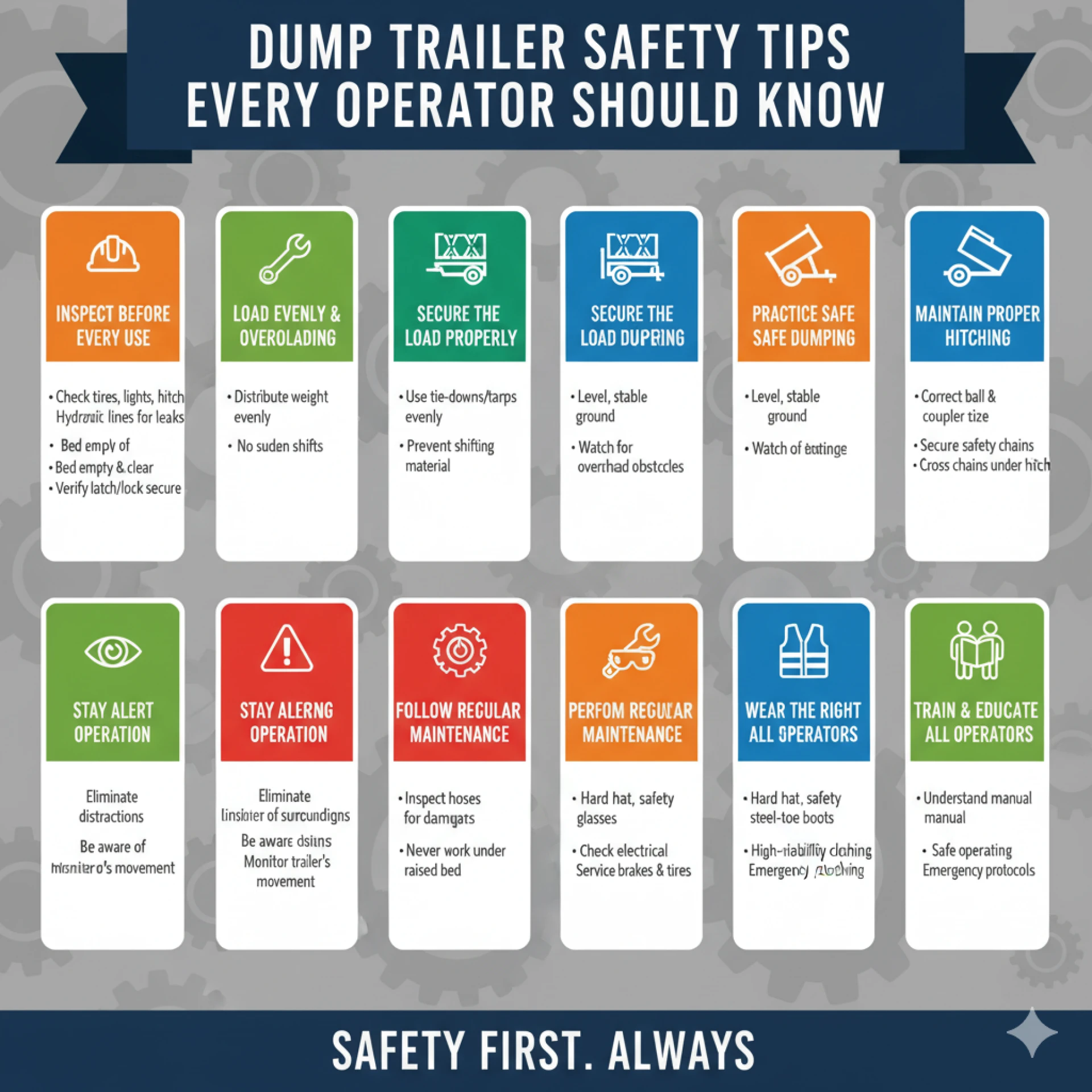
Maintain Proper Hitching Practices
Before moving the dump trailer, ensure it is safely connected to the towing vehicle. Key points include:
- Confirm the hitch ball size matches the coupler.
- Attach safety chains in a crisscross pattern.
- Check that the coupler latch is locked securely.
- Connect brake and signal light wiring.
- Test trailer brakes before leaving.
Improper hitching is one of the leading causes of dump trailer accidents on the road.
Stay Alert During Operation
Operator awareness is a vital safety tool. Always:
- Drive cautiously, especially when fully loaded.
- Avoid sharp turns at high speeds.
- Allow extra braking distance when towing heavy loads.
- Be mindful of blind spots when reversing.
- Keep bystanders and co-workers at a safe distance during dumping.
Staying alert minimizes human error and reduces the risk of costly accidents.
Follow Hydraulic System Safety
The hydraulic system powers the dump trailer bed, but mishandling it can lead to dangerous failures. Best practices include:
- Never work under a raised bed without proper safety locks in place.
- Regularly check fluid levels and hydraulic hoses.
- Inspect fittings and seals for leaks.
- Avoid overextending the lift system beyond its limits.
Hydraulics are powerful but require respect and careful maintenance.
Perform Regular Maintenance
A well-maintained dump trailer is a safer trailer. Operators should follow a maintenance schedule that includes:
- Greasing moving parts and hinges.
- Checking brake pads and drums.
- Inspecting suspension components.
- Cleaning the bed to remove rust and buildup.
- Replacing worn tires promptly.
Consistent maintenance extends the trailer’s life and ensures safer operation.
Wear the Right Safety Gear
Personal protective equipment (PPE) is often overlooked but essential. Operators should wear:
- Steel-toe boots for protection against heavy materials.
- Work gloves for better grip and hand safety.
- Safety glasses when hauling dusty or sharp debris.
- High-visibility clothing when working near traffic or busy sites.
Proper gear provides an added layer of protection in risky situations.
Train and Educate All Operators
Not everyone understands how to operate a dump trailer safely. All workers or drivers should be trained in safe operating procedures. Training should cover:
- Proper hitching and unhitching techniques.
- Safe loading and unloading practices.
- Emergency procedures in case of trailer failure.
- Routine inspections and maintenance checks.
Education ensures everyone using the trailer is prepared and responsible.
Conclusion
Operating a dump trailer requires a combination of proper preparation, responsible handling, and consistent maintenance. By inspecting before use, loading properly, securing cargo, and practicing safe dumping techniques, operators can reduce risks significantly. Staying alert, respecting the trailer’s limits, and following a strict safety routine will keep both people and property safe.
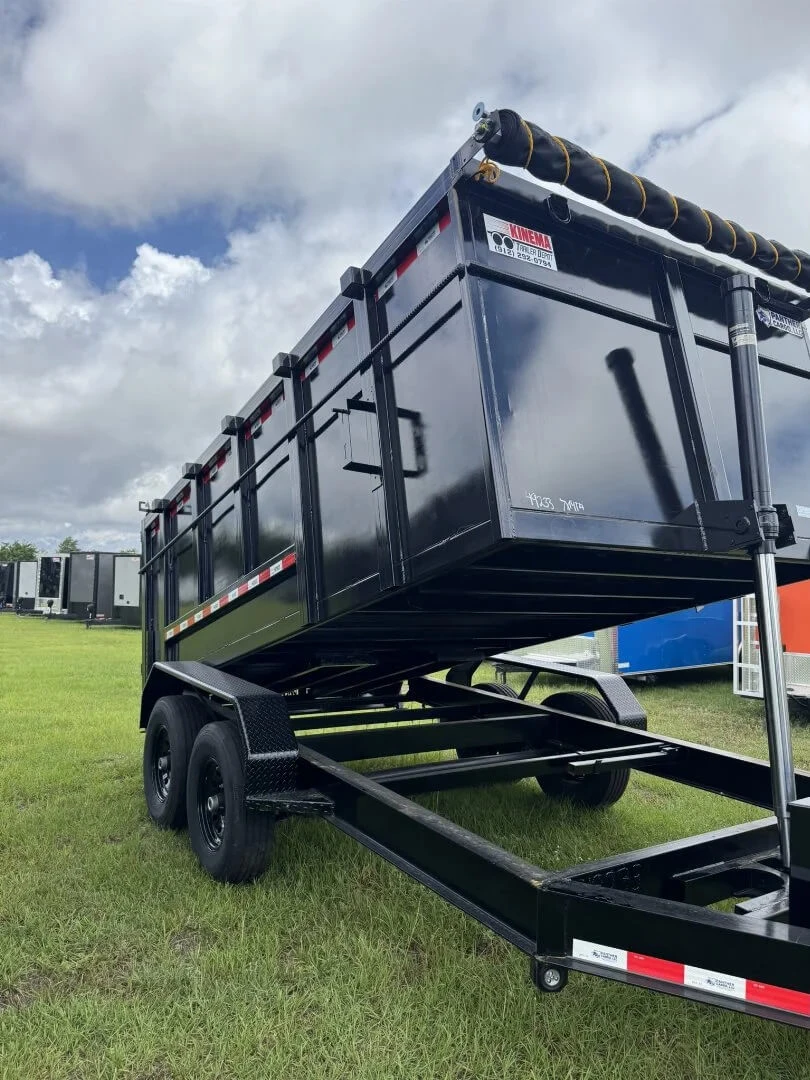
Every operator should treat dump trailer safety as a priority, not an afterthought. Doing so not only prevents accidents but also ensures smooth and profitable operations in any industry that relies on these powerful hauling tools.

























Sign in to leave a comment.