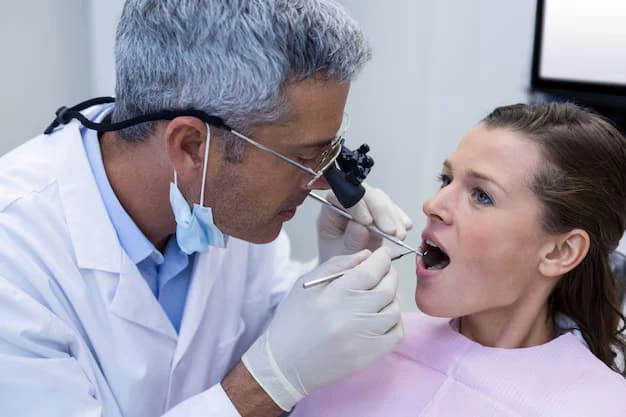

Oral cancer is a serious condition that affects thousands of individuals each year. Early detection is critical for effective treatment and improved outcomes. Regular oral cancer screenings are a key part of maintaining oral health and identifying potential issues before they become life threatening. Individuals searching for Oral Cancer Screening Sherman Oaks can benefit from understanding the process, risk factors, and preventive measures involved in early detection.
This comprehensive guide explains everything patients need to know about oral cancer screenings, their importance, and what to expect during an examination.
Understanding Oral Cancer
Oral cancer refers to cancer that develops in the mouth or throat, including the lips, tongue, cheeks, floor of the mouth, hard and soft palate, sinuses, and pharynx. Early detection significantly increases survival rates, making screenings a vital preventive measure.
Prevalence and Importance
Oral cancer affects thousands of people worldwide, with men being slightly more susceptible than women. It often develops silently, showing minimal symptoms in its early stages. This is why routine screenings are essential for anyone at risk.
Symptoms to Watch For
Early oral cancer may present with subtle signs, including:
- Persistent sores or ulcers that do not heal
- Red or white patches inside the mouth
- Unexplained bleeding in the oral cavity
- Pain or difficulty swallowing
- Numbness or swelling in the mouth or neck
Recognizing these symptoms and seeking timely evaluation increases the likelihood of successful treatment.
Risk Factors for Oral Cancer
Understanding who is at higher risk can help prioritize screening and prevention efforts.
Tobacco and Alcohol Use
Individuals who use tobacco products, including cigarettes, cigars, and chewing tobacco, are at a significantly higher risk. Excessive alcohol consumption further elevates the likelihood of developing oral cancer.
Age and Gender
While oral cancer can affect people of all ages, it is most commonly diagnosed in adults over 40. Men are generally at higher risk than women, although lifestyle factors can influence this trend.
Sun Exposure
Prolonged exposure to ultraviolet light increases the risk of lip cancer. People who spend significant time outdoors without lip protection are more vulnerable.
Human Papillomavirus Infection
Certain strains of the human papillomavirus (HPV) have been linked to oral and throat cancers. Vaccination and preventive measures can reduce the risk of HPV-related oral cancers.
Poor Oral Hygiene and Diet
Neglecting oral hygiene or consuming a diet low in fruits and vegetables may contribute to a higher risk of oral cancer. A healthy lifestyle and consistent dental care support overall oral health and reduce risk.
What an Oral Cancer Screening Involves
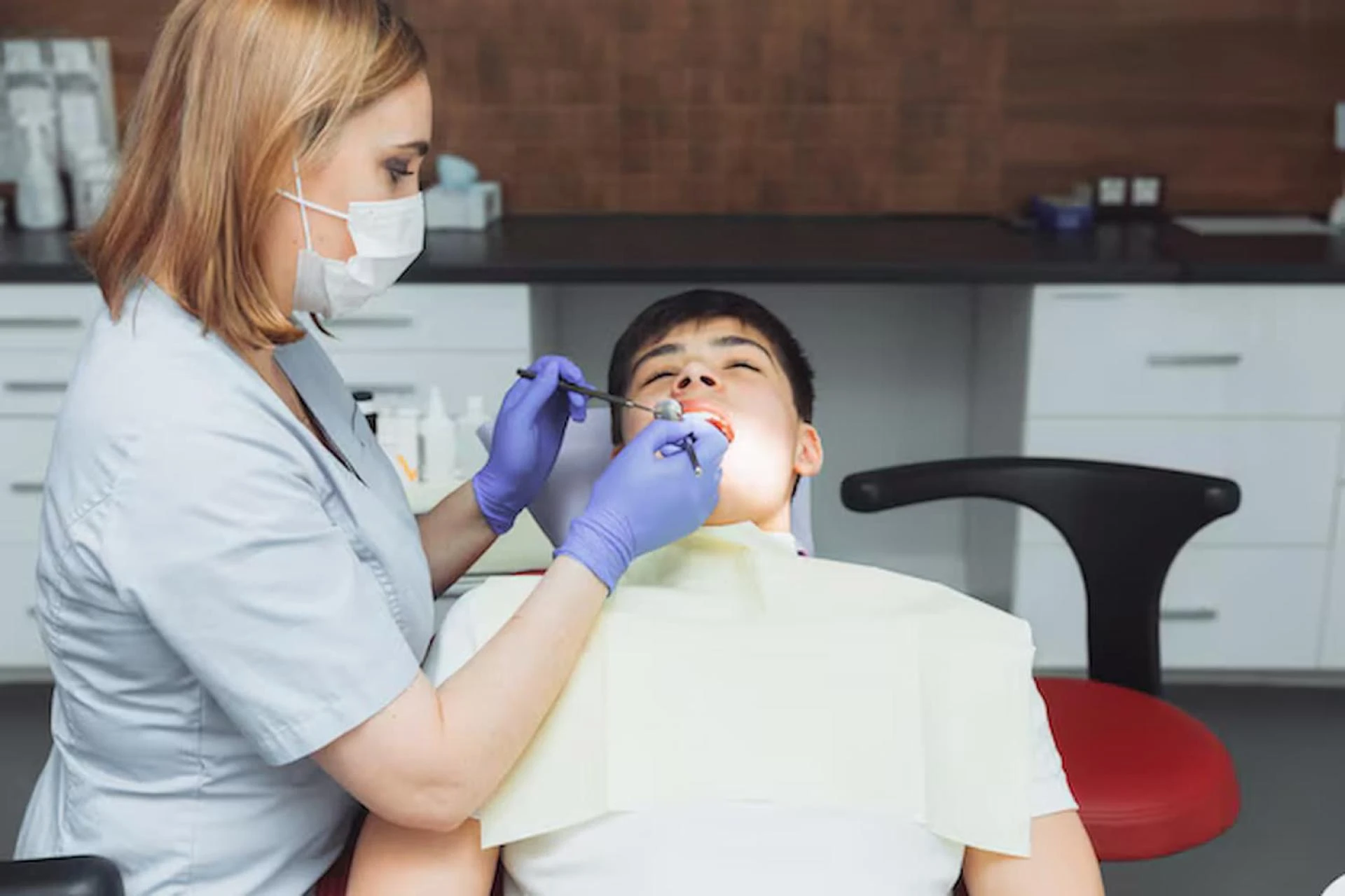
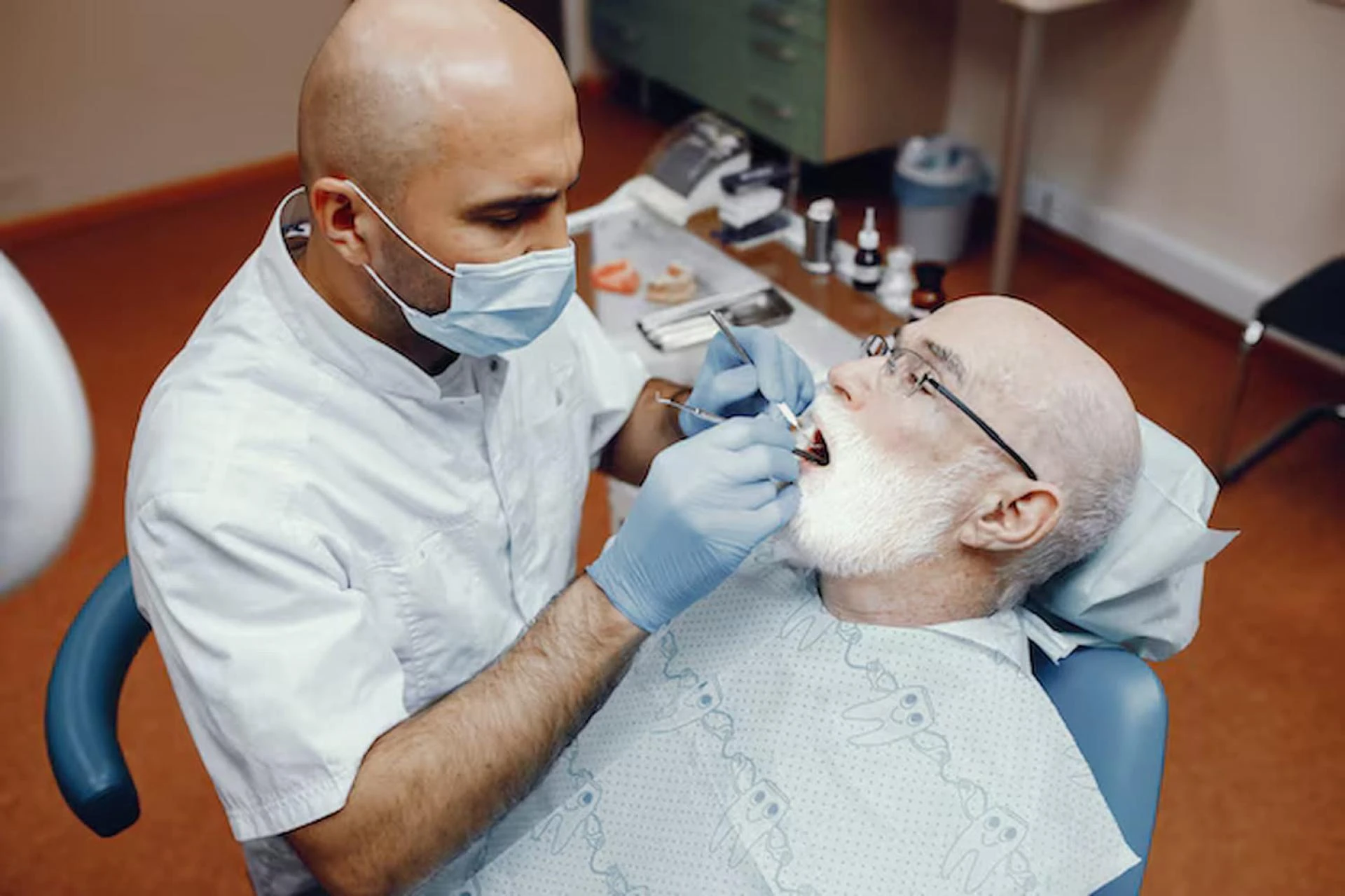
An oral cancer screening is a simple, non-invasive procedure designed to detect early signs of cancer or precancerous conditions. The process is quick, painless, and highly effective when performed regularly.
Visual Examination
The dentist carefully inspects all areas of the mouth, including the lips, tongue, cheeks, roof and floor of the mouth, and throat. Any abnormalities, such as lesions, discoloration, or unusual growths, are noted.
Palpation
Palpation involves gently feeling the tissues inside the mouth and neck for lumps, swellings, or irregularities that may indicate early cancerous changes.
Use of Diagnostic Tools
Some dental professionals may use specialized lights or dyes to detect abnormal tissue more easily. These tools enhance the ability to identify potential issues that may not be visible during a standard visual exam.
Discussion of Findings
If any concerns are identified, the dentist will discuss next steps. This may include monitoring, further diagnostic tests, or referral to a specialist for a biopsy.
Frequency of Oral Cancer Screenings
The frequency of screenings depends on age, lifestyle, and risk factors.
Routine Screenings for Average-Risk Adults
For individuals with no significant risk factors, an oral cancer screening during regular dental checkups is recommended, typically every six months.
Increased Frequency for High-Risk Individuals
People who smoke, consume alcohol regularly, or have a history of oral cancer may require screenings more frequently. A personalized plan is developed to ensure early detection.
Benefits of Early Detection
Early identification of oral cancer dramatically improves outcomes and treatment success.
Higher Survival Rates
Detecting oral cancer in its early stages often allows for less invasive treatments and higher survival rates. Early intervention can prevent the spread of cancer to other parts of the body.
Less Extensive Treatment
Early detection may require only minor surgical procedures or localized treatments rather than extensive surgery, chemotherapy, or radiation therapy.
Improved Quality of Life
Timely treatment reduces complications and supports a faster recovery. Patients are more likely to retain oral functions, including speech and chewing, after early intervention.
How Patients Can Support Screening Efforts
While professional screenings are essential, patients play an active role in maintaining oral health and aiding early detection.
Self-Examinations
Performing regular self-exams at home helps individuals recognize changes in their mouth or throat. Pay attention to persistent sores, lumps, or color changes.
Maintaining Good Oral Hygiene
Brushing twice a day, flossing daily, and using mouthwash help reduce the risk of infections and abnormalities in the oral cavity.
Healthy Lifestyle Choices
Limiting tobacco and alcohol use, protecting lips from sun exposure, and maintaining a balanced diet support oral health and reduce cancer risk.
Reporting Symptoms Promptly
Any unusual signs or persistent discomfort should be reported to a dental professional promptly. Early evaluation ensures timely intervention.
Advanced Screening Technologies
Recent advancements have enhanced the ability to detect oral cancer earlier and more accurately.
Fluorescence Visualization
Some dental offices use specialized lights that cause abnormal tissue to fluoresce differently than healthy tissue, aiding early detection.
Saliva Testing
Emerging research suggests saliva-based tests may help identify biomarkers associated with oral cancer, offering a non-invasive screening option.
Digital Imaging
High-resolution imaging can detect subtle tissue changes, providing additional tools for early diagnosis and monitoring.
Common Misconceptions About Oral Cancer Screening
Understanding the facts about oral cancer screening helps patients make informed decisions.
Myth One: Only Smokers Need Screening
While smoking increases risk, oral cancer can affect anyone. Screenings are beneficial for all adults, regardless of lifestyle.
Myth Two: Screenings Are Painful
Oral cancer screenings are non-invasive, quick, and painless. They are often completed in just a few minutes during a routine dental visit.
Myth Three: Symptoms Always Appear Early
Oral cancer can develop silently. Relying on symptoms alone is risky. Regular screenings are essential for early detection.
Conclusion
Oral cancer is a serious health concern, but early detection through regular screenings significantly improves outcomes and can save lives. Understanding risk factors, maintaining oral hygiene, performing self-exams, and attending professional Oral Cancer Screening Sherman Oaks appointments are key steps in prevention and early intervention. Screenings are quick, painless, and crucial for detecting subtle changes that may indicate early-stage oral cancer.
For comprehensive oral cancer screenings and preventive care, patients can trust Clove Dental Sherman Oaks to provide expert evaluation, guidance, and support in maintaining optimal oral health.


























Sign in to leave a comment.