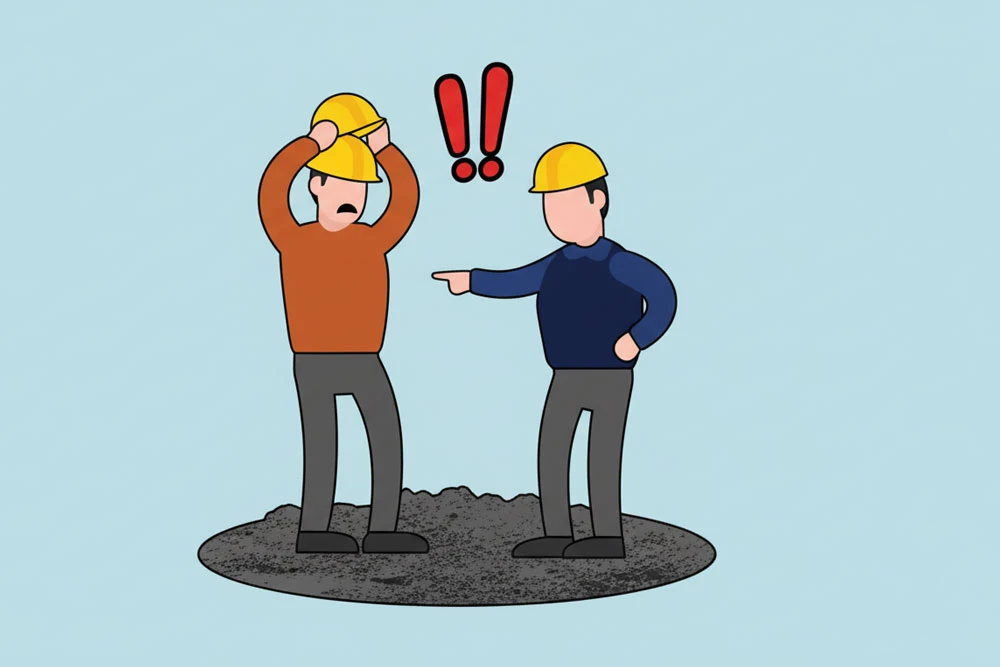

Construction projects involve multiple teams, tight deadlines, and complex contracts. Even with good planning, small issues can quickly grow into full disputes if not handled early. Spotting the warning signs helps prevent costly delays and damaged relationships.
1. Poor or Inconsistent Communication
When communication between contractors, clients, and consultants breaks down, misunderstandings follow. Missed updates, vague instructions, or conflicting site reports often signal trouble ahead. Regular meetings and clear documentation keep everyone aligned.
2. Repeated Project Delays
A few delays are normal, but consistent schedule slippage points to deeper issues such as design changes, resource shortages, or coordination failures. When timelines keep shifting without proper cause or approval, dispute risks rise.
3. Disagreement on Scope of Work
Scope confusion is one of the most common triggers for disputes. If one party believes certain work is included while the other expects extra payment, tension builds. Reviewing the contract and maintaining written variation records avoids scope conflicts.
4. Unresolved Payment Issues
Late payments or invoice rejections are early red flags. When payment terms are unclear or cash flow becomes inconsistent, trust starts to erode. Tracking milestones, verifying progress, and maintaining transparency prevent financial disputes.
5. Frequent Design or Instruction Changes
Continuous design revisions or last-minute client changes can create frustration and extra costs. If these are not properly recorded and approved, they may later turn into claims for time or money.
6. Poor Quality or Defective Work
When work does not meet agreed specifications or inspection results show recurring defects, disputes are likely. The earlier these are identified and corrected, the lower the risk of contract breach or rework claims.
7. Lack of Proper Documentation
Missing site records, progress reports, or correspondence weaken a party’s position in any disagreement. Accurate documentation provides evidence of what was agreed, delivered, and approved.
8. Growing Tension Between Parties
Hostile site meetings, reduced cooperation, or avoidance of communication often appear before formal disputes. When relationships start to strain, it’s a sign to bring in neutral mediation or senior management discussions.
How to Act Early
- Conduct regular project reviews.
- Keep communication channels open and documented.
- Record variations and approvals immediately.
- Address concerns as soon as they arise.
- Seek expert advice before issues escalate.
Construction disputes rarely appear overnight. They start with small signs that go unnoticed or ignored. By paying attention to early warning signals and resolving problems proactively, project teams can save time, money, and reputation.




























Sign in to leave a comment.