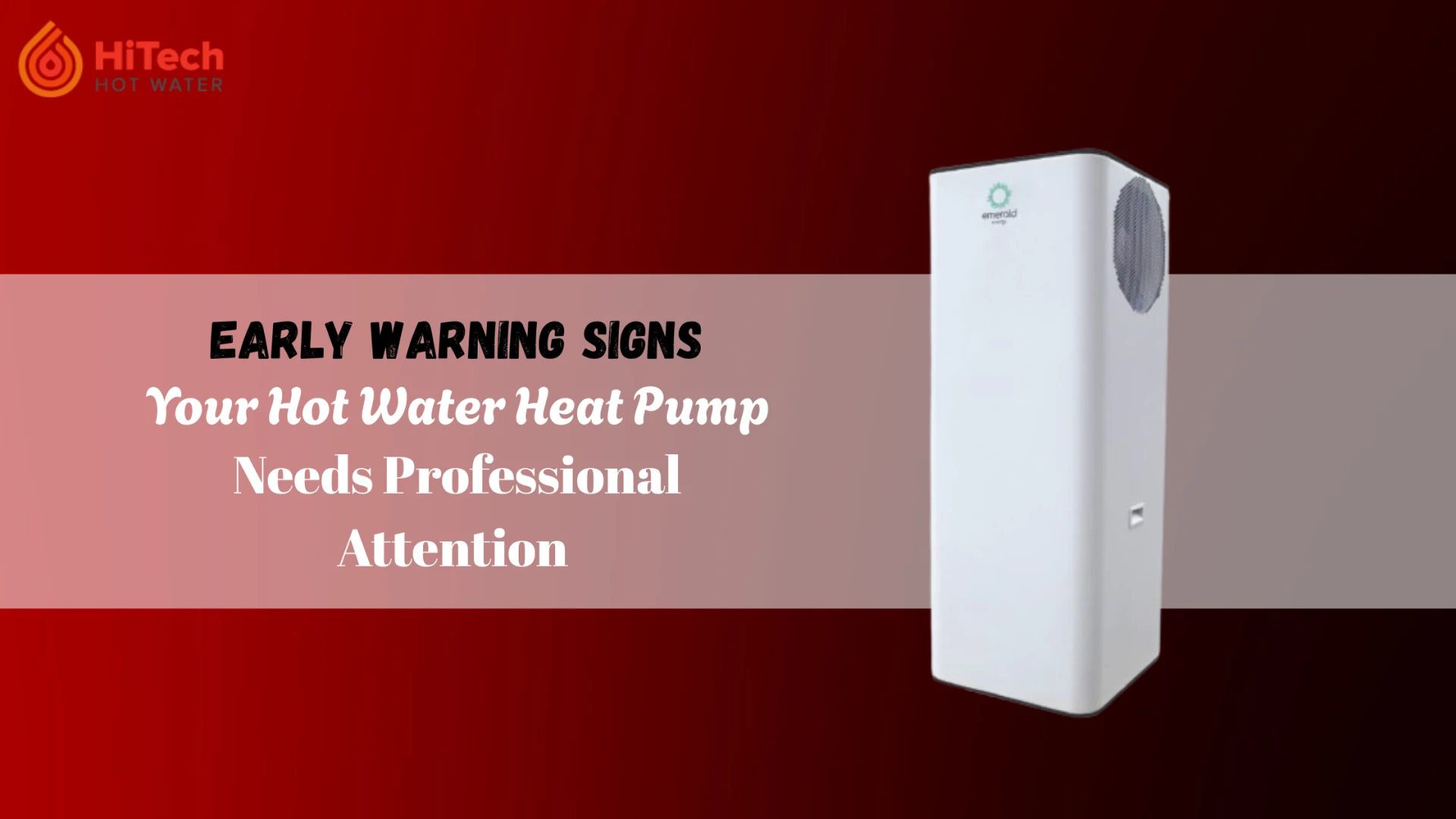

Hot water systems rarely fail without warning. In most Australian homes, a hot water heat pump system gives subtle signs long before it stops working altogether. The challenge is that many homeowners dismiss these early symptoms as “normal ageing” or temporary issues until the system breaks down at the worst possible time.
Recognising these warning signs early can help avoid sudden cold showers, costly emergency callouts, and unnecessary system damage.
1. Hot Water Runs Out Faster Than Usual
One of the earliest signs something isn’t right is reducing hot water availability. If your household hasn’t changed but showers are running cold sooner, the system may be struggling to recover efficiently.
This often points to issues with heat transfer, sensors, or internal components that are no longer operating at peak performance. While some homeowners explore a heat pump repair DIY guide at this stage, recurring hot water shortages usually signal the need for professional assessment rather than temporary fixes.
2. Strange or Unfamiliar Noises
Heat pumps are designed to run quietly. When you start noticing rumbling, rattling, buzzing, or popping sounds, it’s rarely something to ignore.
These noises can indicate sediment buildup, fan or compressor strain, or internal wear. Left unchecked, minor noise issues can develop into mechanical failures that affect the entire system’s efficiency and lifespan.
3. Visible Moisture or Water Around the Unit
Water pooling near the system is never a good sign. Even small amounts of moisture can indicate pressure valve issues, loose fittings, or internal corrosion.
In many cases, this develops into a hot water system leaking, which can lead to further damage if not addressed early. Leaks often start subtly, but over time they can affect electrical components and surrounding surfaces, increasing repair complexity and risk.
4. Rising Power Bills Without Lifestyle Changes
When electricity costs climb without changes to household habits, the hot water system is often a hidden contributor. As heat pumps age or develop faults, they may consume more energy to deliver the same output.
A system that once operated efficiently can quietly become a drain on household power, particularly if it’s compensating for failing components or running longer cycles than necessary.
5. Inconsistent Water Temperature
Fluctuating water temperatures hot one moment, lukewarm the next are a common early warning sign. This often points to thermostat issues, sensor faults, or control system irregularities.
Inconsistent performance isn’t just inconvenient; it’s a signal that the system is no longer regulating heat properly and may worsen without professional attention.
6. System Struggles in Cooler Weather
Australian heat pump systems are built to handle varying climates, but when performance drops sharply during cooler mornings or winter months, something may be off.
Modern hot water heat pumps are designed to operate efficiently even in lower ambient temperatures. A noticeable decline in cold-weather performance can indicate compressor strain, airflow issues, or declining system efficiency.
7. The System Is Over 10 Years Old and Showing Symptoms
Age alone isn’t a problem, but age combined with multiple warning signs is. Once a heat pump passes the 10-year mark, components naturally begin to wear, and efficiency declines.
At this stage, professional inspection becomes essential to determine whether repairs will restore reliable performance or if ongoing issues are likely to continue.
Why Early Attention Matters
Addressing problems early often means simpler solutions, lower costs, and fewer disruptions. Ignoring symptoms, on the other hand, can turn manageable issues into full system failures.
Many homeowners only seek help after a breakdown, but those who act early usually experience smoother outcomes, better system longevity, and more predictable hot water performance.
Final Thoughts
A reliable hot water system should work quietly in the background, not demand constant attention. If your heat pump is showing early warning signs, unusual noises, leaks, inconsistent temperatures, or rising energy use, professional attention can make all the difference.
Catching issues early protects comfort, efficiency, and peace of mind, especially in homes that rely on hot water every day.
































Sign in to leave a comment.