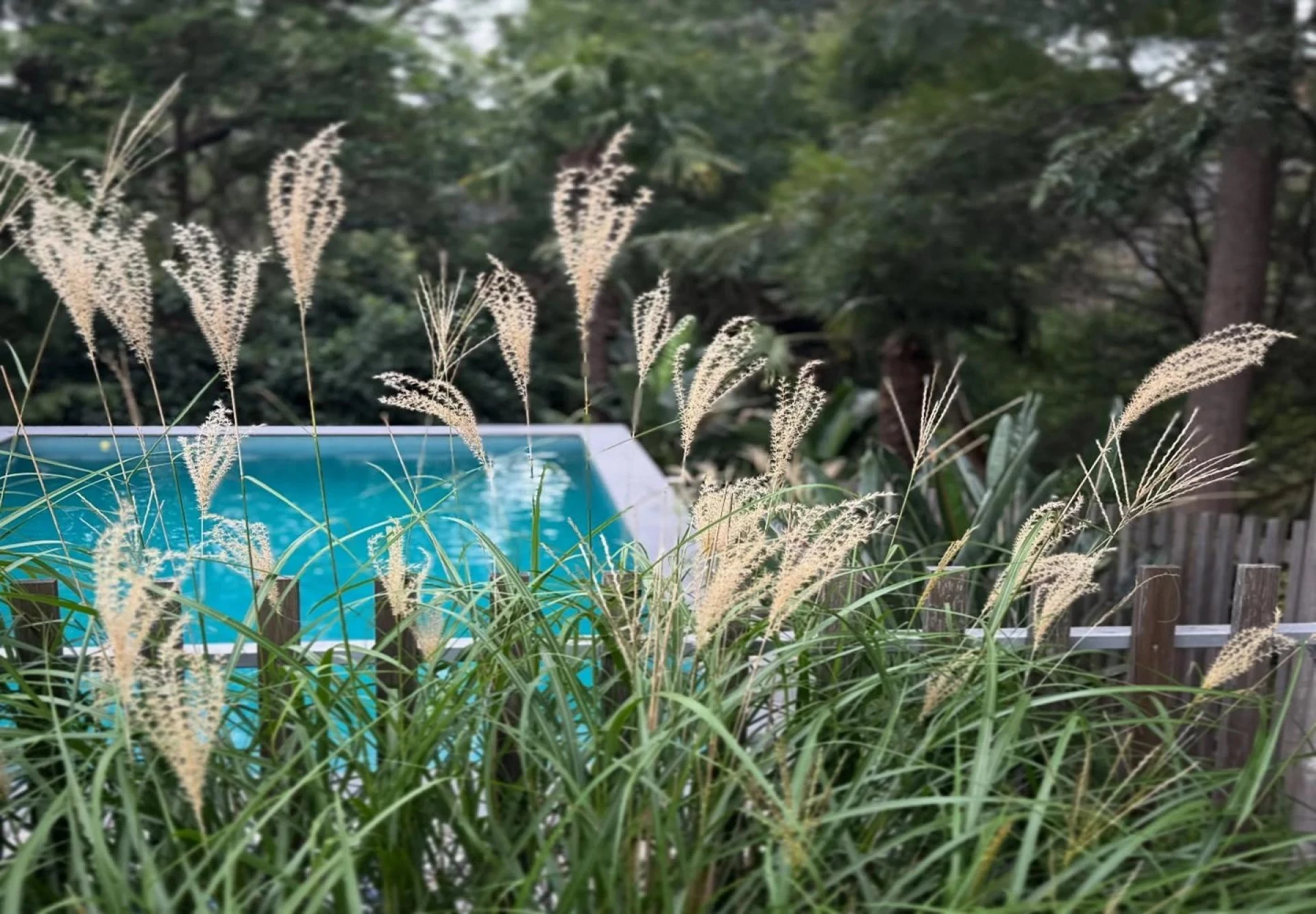

Creating a beautiful outdoor space doesn’t have to come at the expense of the environment. Eco-friendly landscape design focuses on sustainability, water conservation, and supporting local ecosystems—while still delivering stunning results. For homeowners in Cheltenham, adopting green landscaping practices is not only beneficial for the planet but can also reduce maintenance costs and enhance property value.
Choose Native and Drought-Tolerant Plants
One of the most effective ways to design an eco-friendly garden is by selecting native plants. These species are naturally adapted to Cheltenham’s climate, meaning they require less water, fertilizer, and maintenance. Native plants also attract local wildlife such as bees, butterflies, and birds, helping to maintain biodiversity. Incorporating drought-tolerant plants further reduces water usage, making your garden resilient during dry spells.
Implement Smart Water Management
Water conservation is a key element of sustainable landscaping. Installing rainwater harvesting systems, such as water barrels, allows you to collect and reuse rainwater for irrigation. Drip irrigation systems are another excellent option, as they deliver water directly to plant roots with minimal waste. Additionally, grouping plants with similar watering needs ensures efficient water use and prevents overwatering.
Use Sustainable Materials
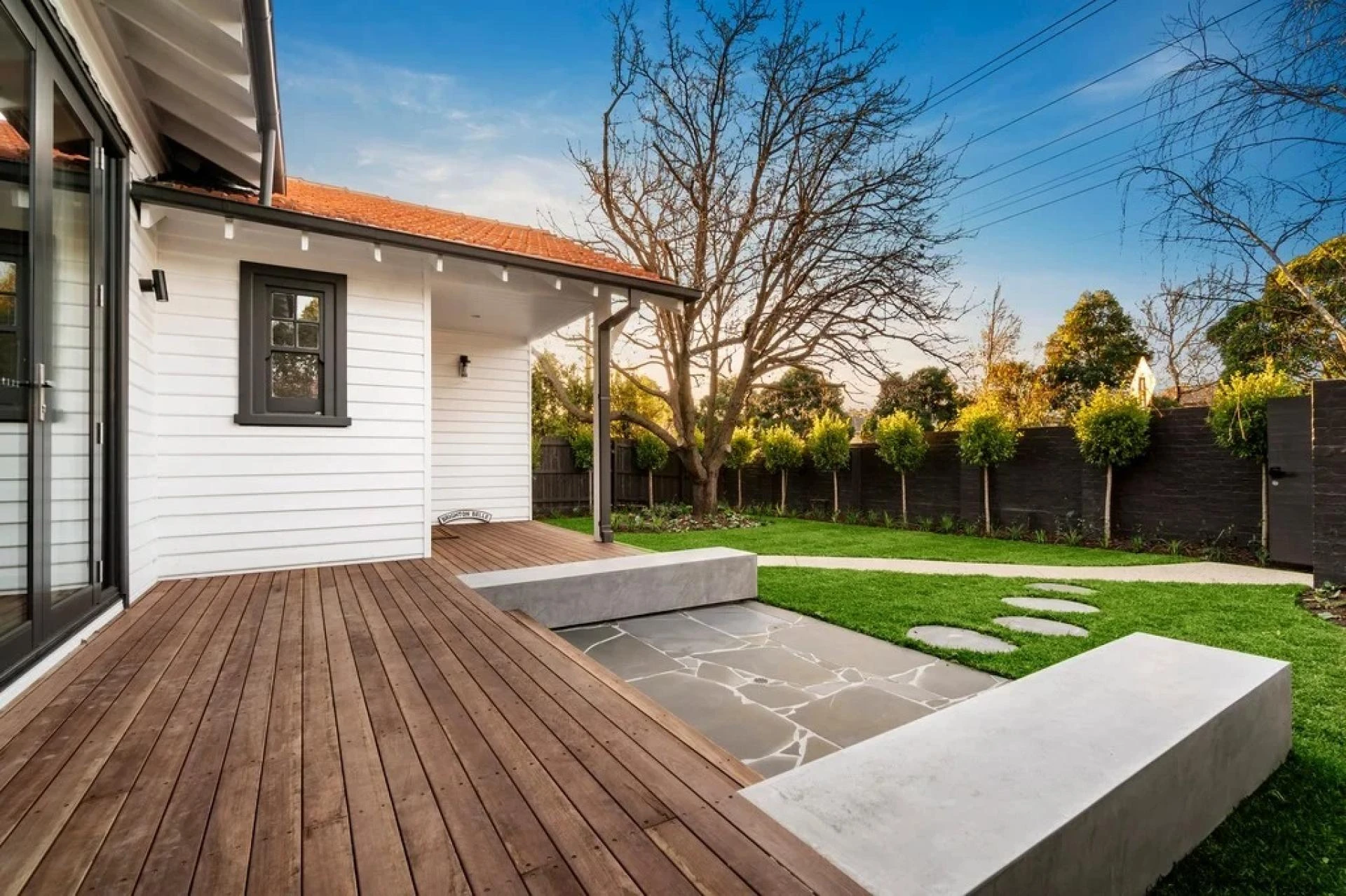
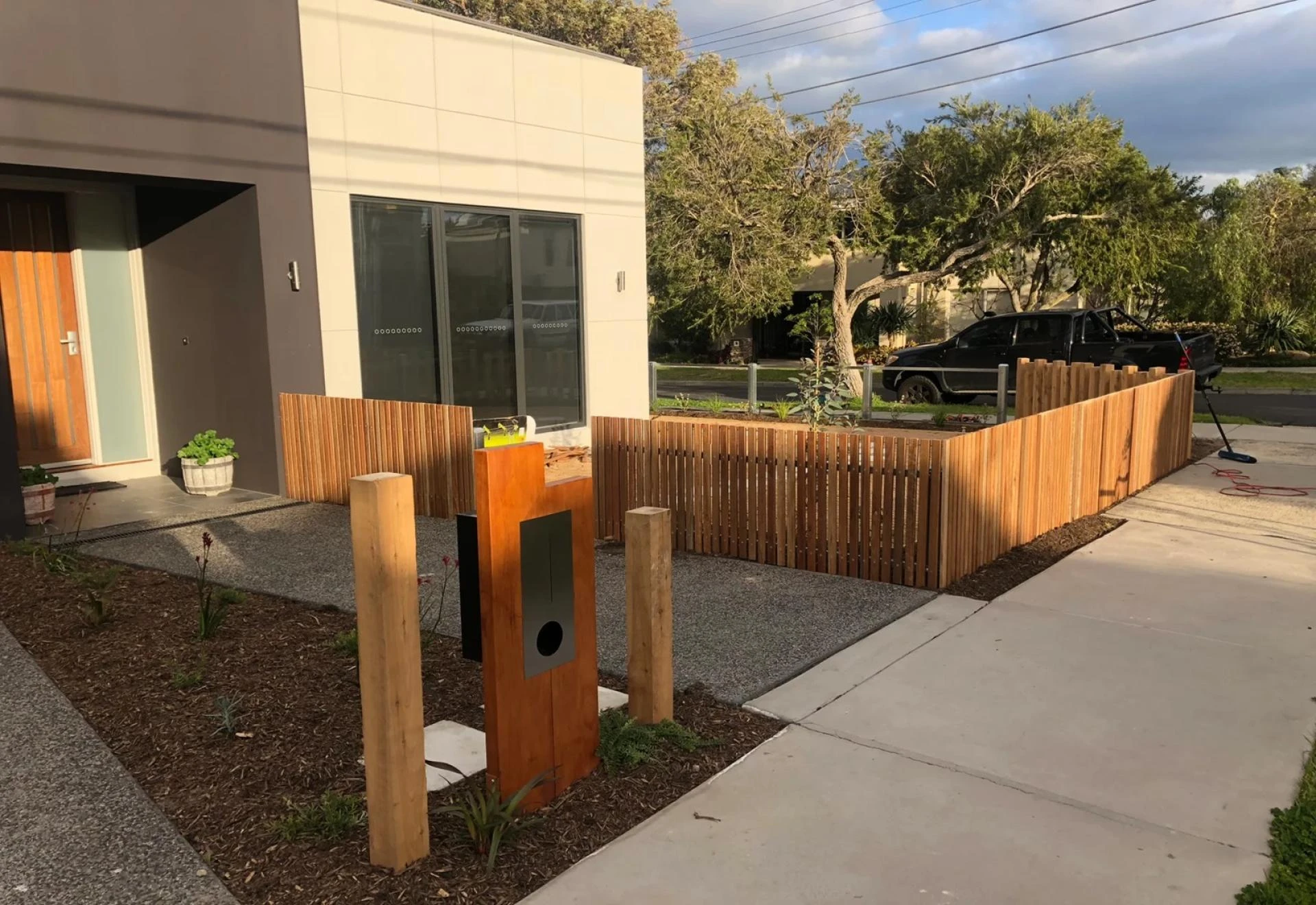
When designing pathways, patios, or garden features, opt for eco-friendly materials like recycled stone, reclaimed wood, or permeable paving. Permeable surfaces allow rainwater to seep into the ground, reducing runoff and preventing soil erosion. Avoid materials that require high energy to produce or transport, and instead choose locally sourced options whenever possible.
Reduce Lawn Areas
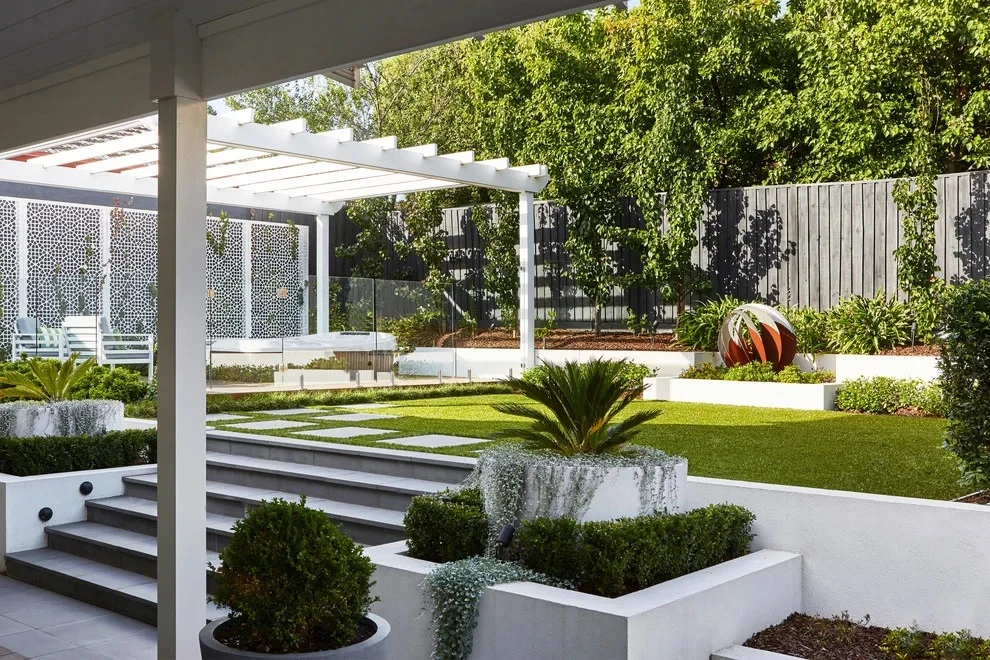
Traditional lawns often require significant water, fertilizers, and regular mowing. Consider reducing the size of your lawn and replacing it with ground covers, gravel, or native planting beds. This not only lowers maintenance but also creates a more diverse and visually appealing landscape. If you prefer to keep some lawn space, choose eco-friendly grass varieties that need less water and care.
Compost and Mulch Naturally
Composting garden waste and kitchen scraps is an excellent way to enrich your soil naturally. Compost improves soil structure, retains moisture, and reduces the need for chemical fertilizers. Adding organic mulch around plants helps suppress weeds, regulate soil temperature, and retain moisture—further reducing water consumption.
Encourage Wildlife Habitats
An eco-friendly garden supports local wildlife. Incorporate features such as bird feeders, bee hotels, and small water sources like ponds or birdbaths. Planting a mix of flowering species ensures year-round food for pollinators. Avoid using chemical pesticides, as they can harm beneficial insects and disrupt the natural balance of your garden.
Opt for Energy-Efficient Lighting
Outdoor lighting can enhance your landscape, but it’s important to choose energy-efficient options. Solar-powered lights are a great sustainable choice, as they use renewable energy and reduce electricity consumption. Position lights strategically to minimize light pollution while still highlighting key features of your garden.
Hire Professionals for Eco-Friendly Landscape Design
While DIY efforts can make a difference, hiring a professional for eco-friendly landscape design ensures optimal results. Experienced landscapers understand Cheltenham’s climate, soil conditions, and sustainable practices, allowing them to create a tailored design that maximizes efficiency and beauty. They can help you select the right plants, install water-saving systems, and use environmentally responsible materials. Investing in professional expertise not only saves time and effort but also ensures your outdoor space is truly sustainable, functional, and visually appealing for years to come.























Sign in to leave a comment.