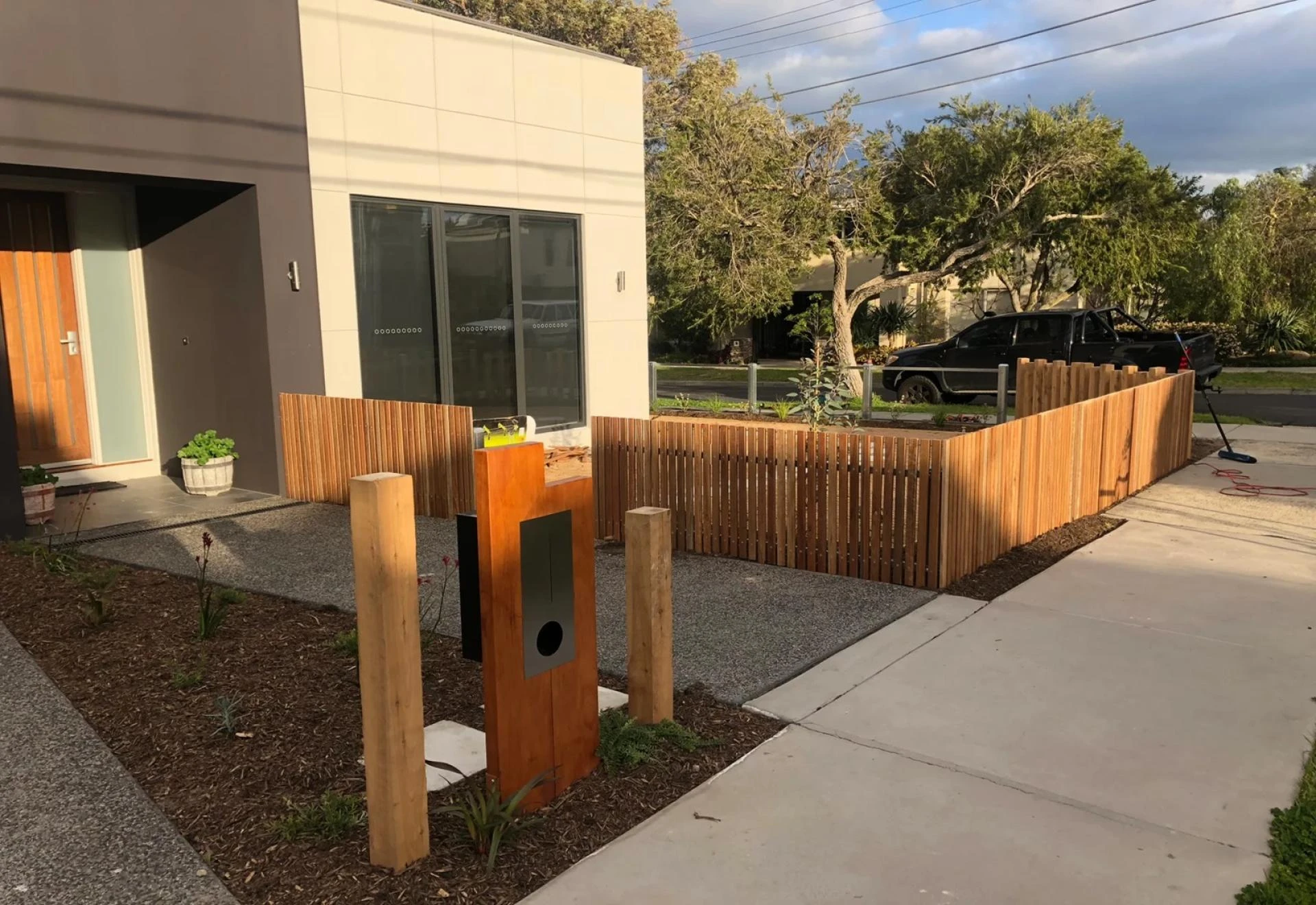

Living near the coast in Melbourne comes with its unique charm: fresh sea breezes, scenic views, and a relaxed lifestyle. However, coastal properties also face specific landscaping challenges, including salty winds, sandy soil, and high exposure to the sun. To create a garden that thrives in these conditions without constant upkeep, low-maintenance landscaping is key. Here are some ideas to help Melbourne homeowners enjoy a beautiful, resilient coastal garden.
1. Embrace Native Coastal Plants
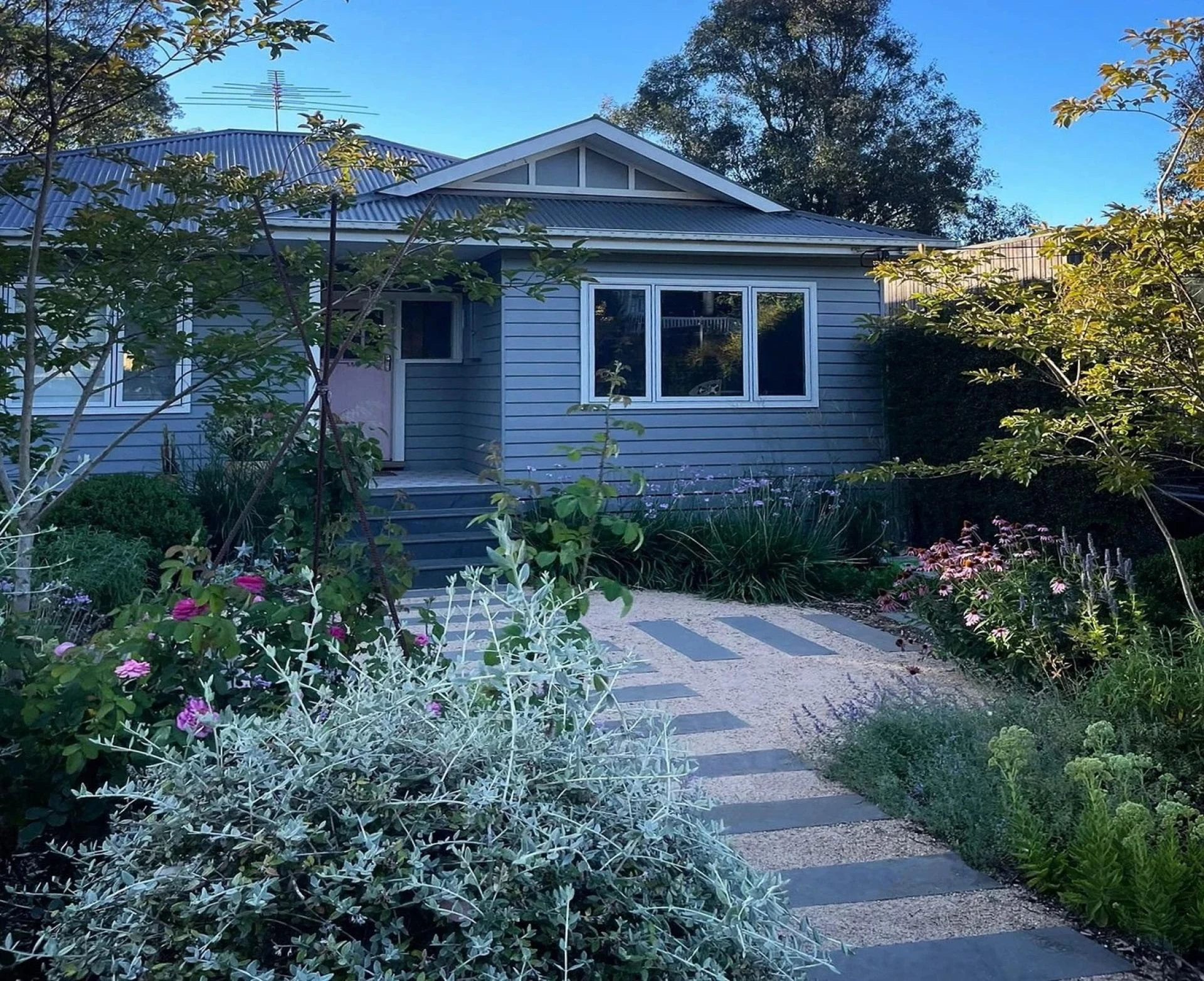
Native plants are naturally adapted to Melbourne’s coastal environment, making them an excellent choice for low-maintenance gardens. Species such as coastal banksia, pigface, coastal rosemary, and kangaroo paw can withstand salty winds, sandy soils, and dry conditions. These plants not only require minimal watering but also attract local wildlife, adding movement and life to your garden. Incorporating flowering natives ensures seasonal color without the need for frequent replanting or fertilizing.
2. Use Hardy Ground Covers and Grasses
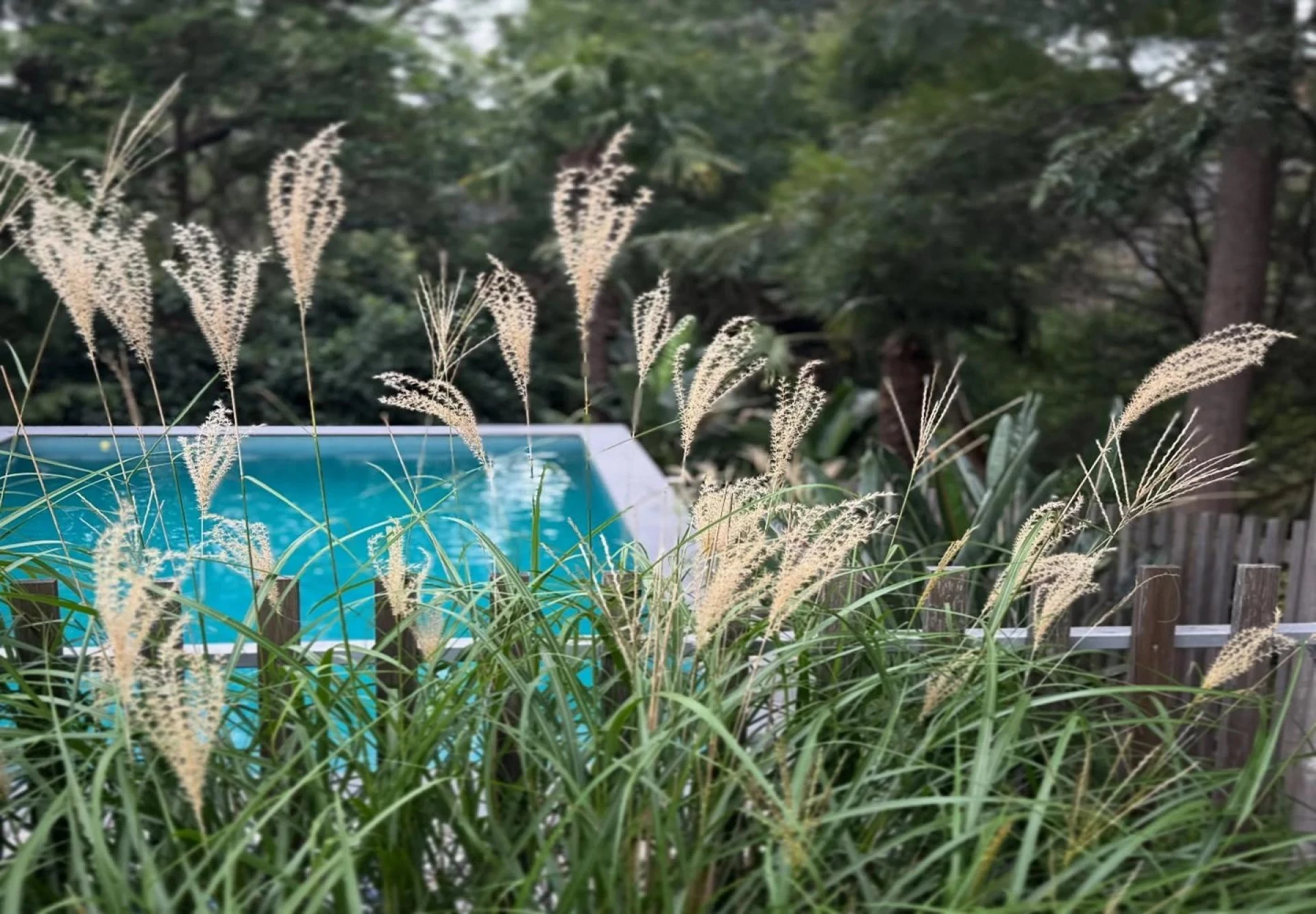
Ground covers and ornamental grasses are perfect for reducing maintenance while adding texture to a coastal landscape. Plants like Lomandra, velvet tussock grass, and creeping boobialla can create lush, resilient green areas that suppress weeds and retain soil moisture. Native grasses such as spinifex or kangaroo grass also handle sandy soils and coastal winds well, providing a natural, relaxed aesthetic that complements the seaside environment.
3. Incorporate Mulching and Gravel
A simple yet effective strategy to reduce garden upkeep is using mulch and gravel. Organic mulch around plants helps retain soil moisture, moderates soil temperature, and suppresses weeds, reducing the need for constant watering and weeding. For pathways or decorative areas, gravel or crushed sandstone not only adds a coastal charm but also prevents soil erosion and keeps the area looking neat with minimal effort.
4. Opt for Drought-Tolerant Plants
Coastal gardens often face periods of dry weather, so drought-tolerant plants are essential. Succulents like agave, aloes, and various sedums thrive in sandy soils and need very little water once established. Combining these with hardy shrubs and small trees such as callistemon or melaleuca creates a layered garden that is visually appealing while requiring minimal care.
5. Smart Hardscaping Choices
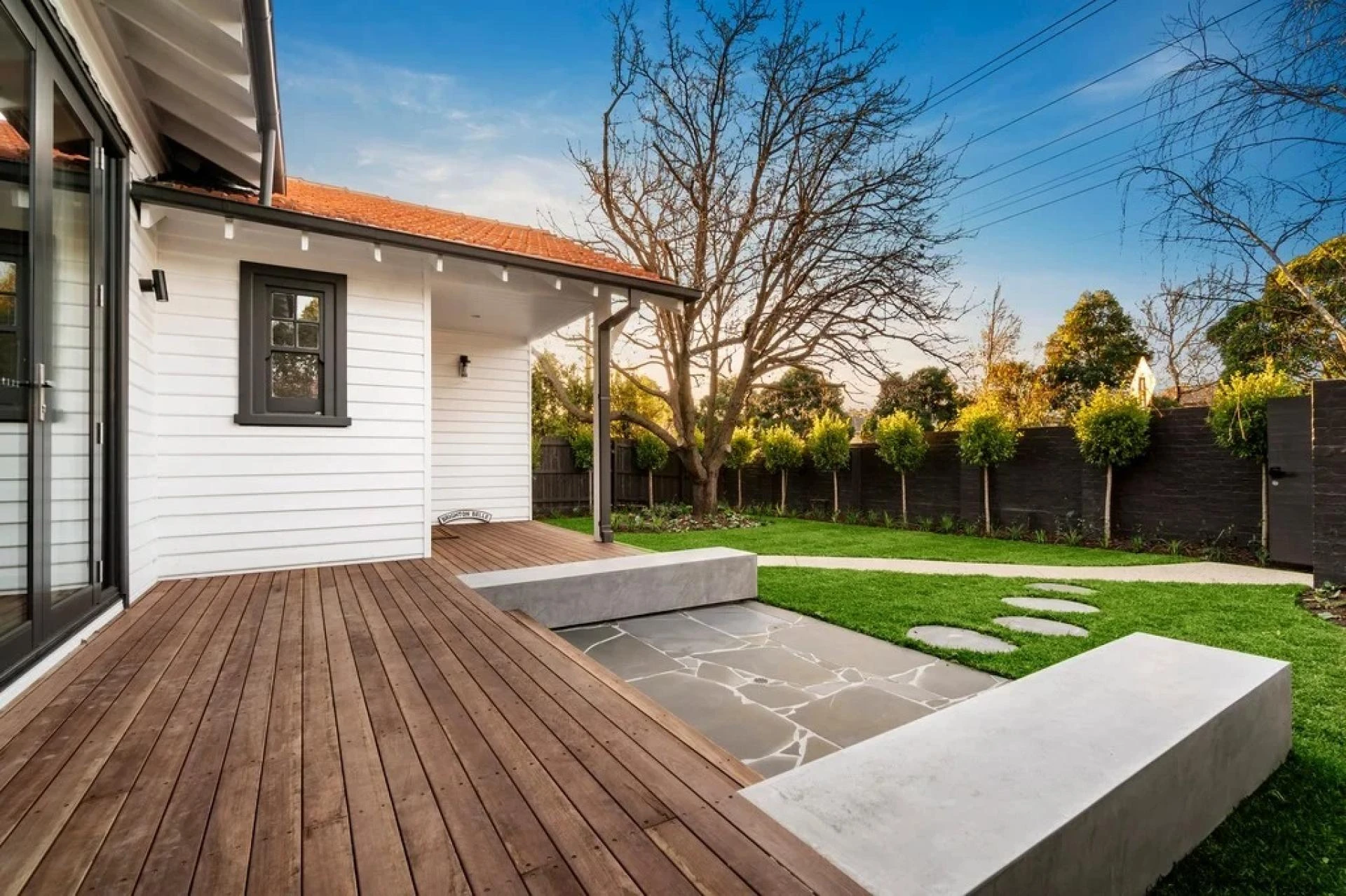
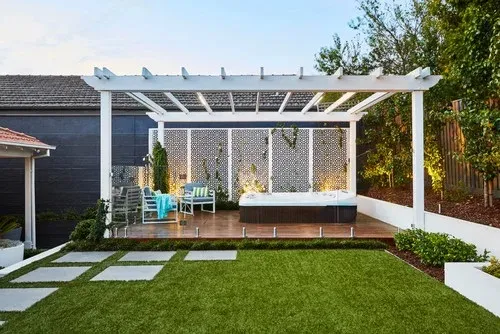
Low-maintenance landscaping isn’t only about plants—it also involves hardscaping. Concrete or stone pathways, raised garden beds, and timber decking can define spaces and reduce areas prone to weeds and erosion. Adding features like rock gardens, boulders, or a simple coastal seating area can create focal points without demanding constant upkeep.
6. Minimize Lawn Areas
Lawns require regular mowing, watering, and fertilizing, making them high-maintenance. In a coastal setting, consider reducing lawn space in favor of native ground covers, gravel areas, or mulched garden beds. If a lawn is necessary, choose drought-tolerant grass species like buffalo grass, which can withstand salty winds and require less water.
Conclusion
Creating a low-maintenance coastal garden in Melbourne is about embracing the natural environment rather than fighting it. By choosing native and drought-tolerant plants, incorporating hardy ground covers, and using smart mulching and hardscaping, you can enjoy a beautiful, resilient garden with minimal effort. With these strategies, your coastal property will not only withstand the elements but also provide a serene, attractive outdoor space to relax and entertain year-round.

























Sign in to leave a comment.