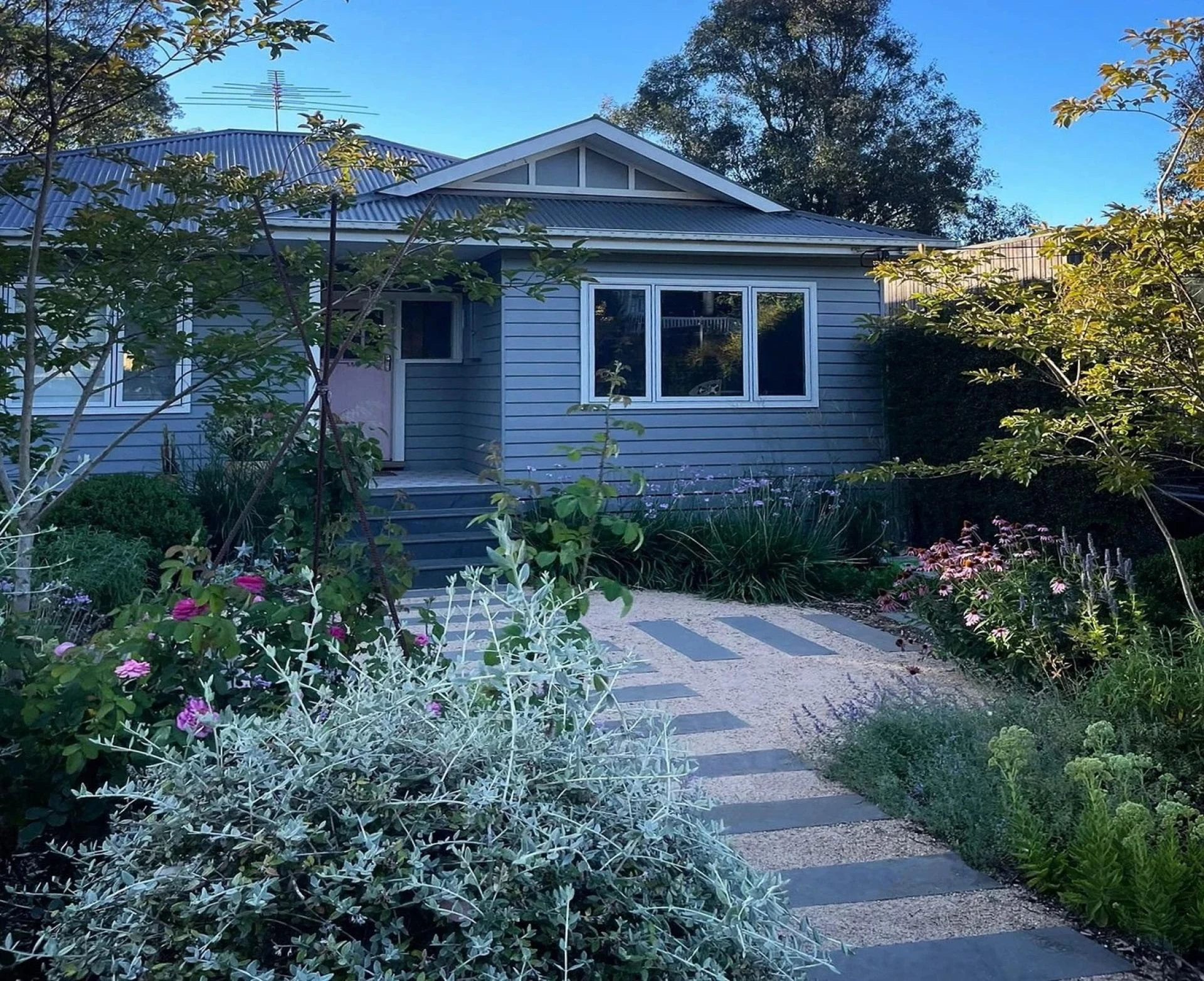

Melbourne courtyards are shrinking and getting smarter — but they’re also getting greener, cozier and more purposeful. Whether you’ve got a tiny tile-lined court in an Inner-city terrace or a sun-dappled slab out east, these trends are defining how Melburnians shape intimate outdoor rooms in 2025.
1. Native, drought-wise planting
Planting with Australian natives has moved from niche to mainstream. Homeowners increasingly choose kangaroo paw, correas, grevilleas, lomandras and other low-water species to create resilient, wildlife-friendly courtyards that suit Melbourne’s variable climate and reduce irrigation needs. Native planting also gives courtyards a distinctly local palette — texture, silver foliage and seasonal blossom rather than formal bedding displays.
2. Sustainable, climate-responsive design
Sustainability is no longer an optional extra. Rainwater harvesting, permeable paving to reduce stormwater runoff, and mulching for soil health are becoming standard features in courtyard makeovers. These measures help manage Melbourne’s heavy winter rains and dry summers while keeping maintenance and water bills down.
3. Vertical gardens and green walls
When floor space is precious, walls become gardens. Vertical planting systems and living walls are popular for privacy, microclimate control and visual impact. They’re particularly useful in narrow courtyards where a pop of green can soften brick and concrete without eating valuable circulation space.
4. Textured, layered hardscapes
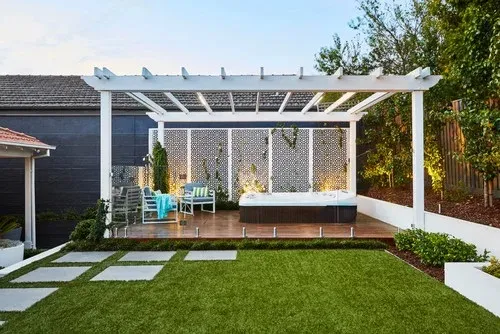
Hardscape finishes are moving away from uniform concrete slabs toward textured mixes: reclaimed pavers, gravel beds, timber decking and stepping stones that create pockets for planting. Permeable surfaces are favoured both for sustainability and for adding tactile contrast — think smooth timber seating against rough bluestone paths.
5. Intimate outdoor living features
Courtyards are being designed as true living rooms: compact fire pits with built-in seating, integrated benching and layered lighting (lanterns, festoons and low-voltage path lights) make small spaces usable after dark and through cooler months. Designers often specify multifunctional elements — a bench that stores cushions, or a planter that doubles as a screen.
6. Low-maintenance, “wabi-sabi” aesthetics
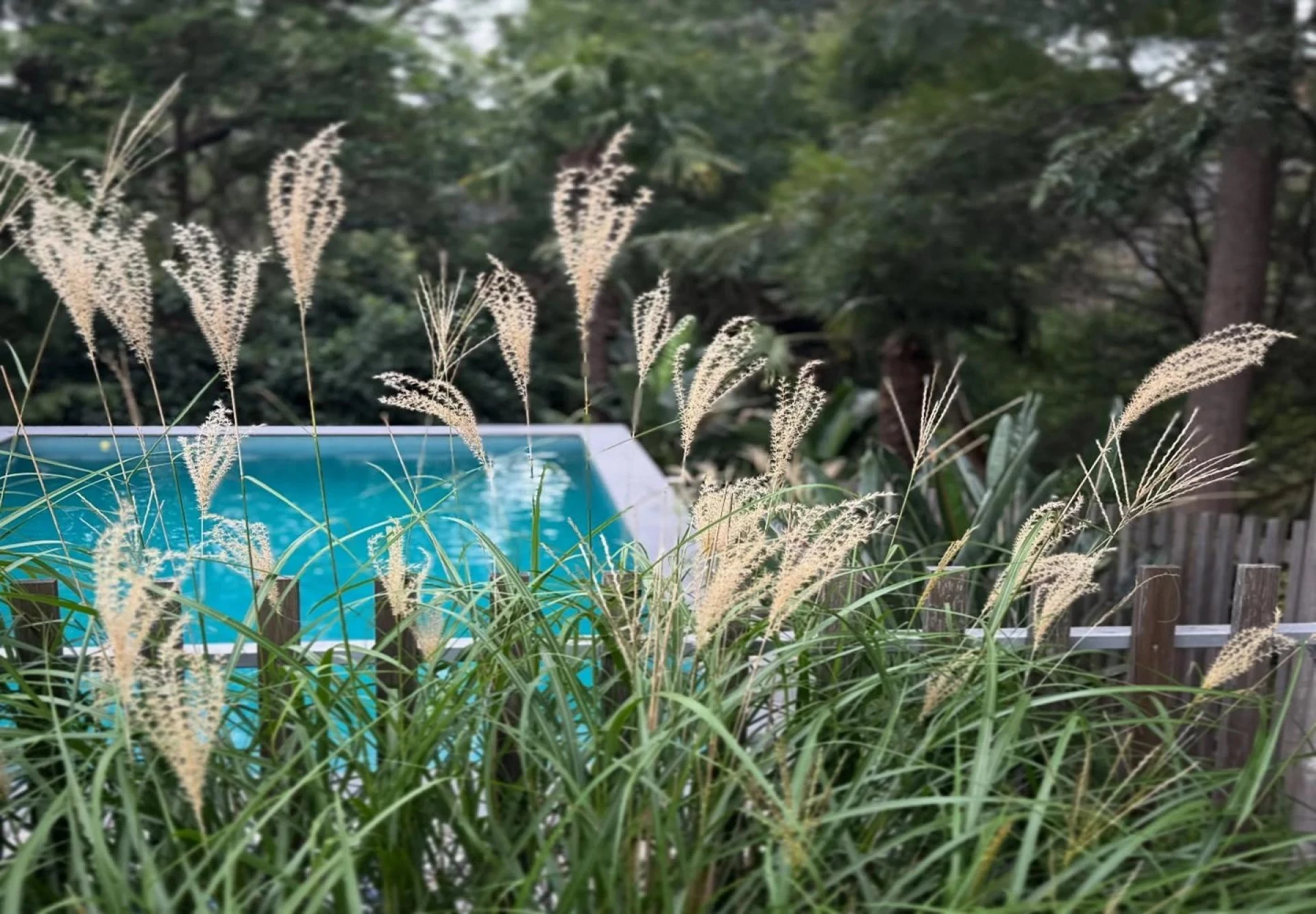
A relaxed, natural look — weathered materials, imperfect lines and seedheads left standing — is appealing to busy households. This wabi-sabi approach reduces pressure for constant upkeep and pairs well with native, low-care planting to create serene, lived-in courtyards.
7. Edible and multifunctional plantings
Even small courtyards are hosting citrus trees in pots, herbs in raised planter boxes and vertical vegetable pockets. Edible landscaping adds sensory interest and practicality, while blending seamlessly with decorative plantings.
Transform Your Melbourne Courtyard with a Professional Touch
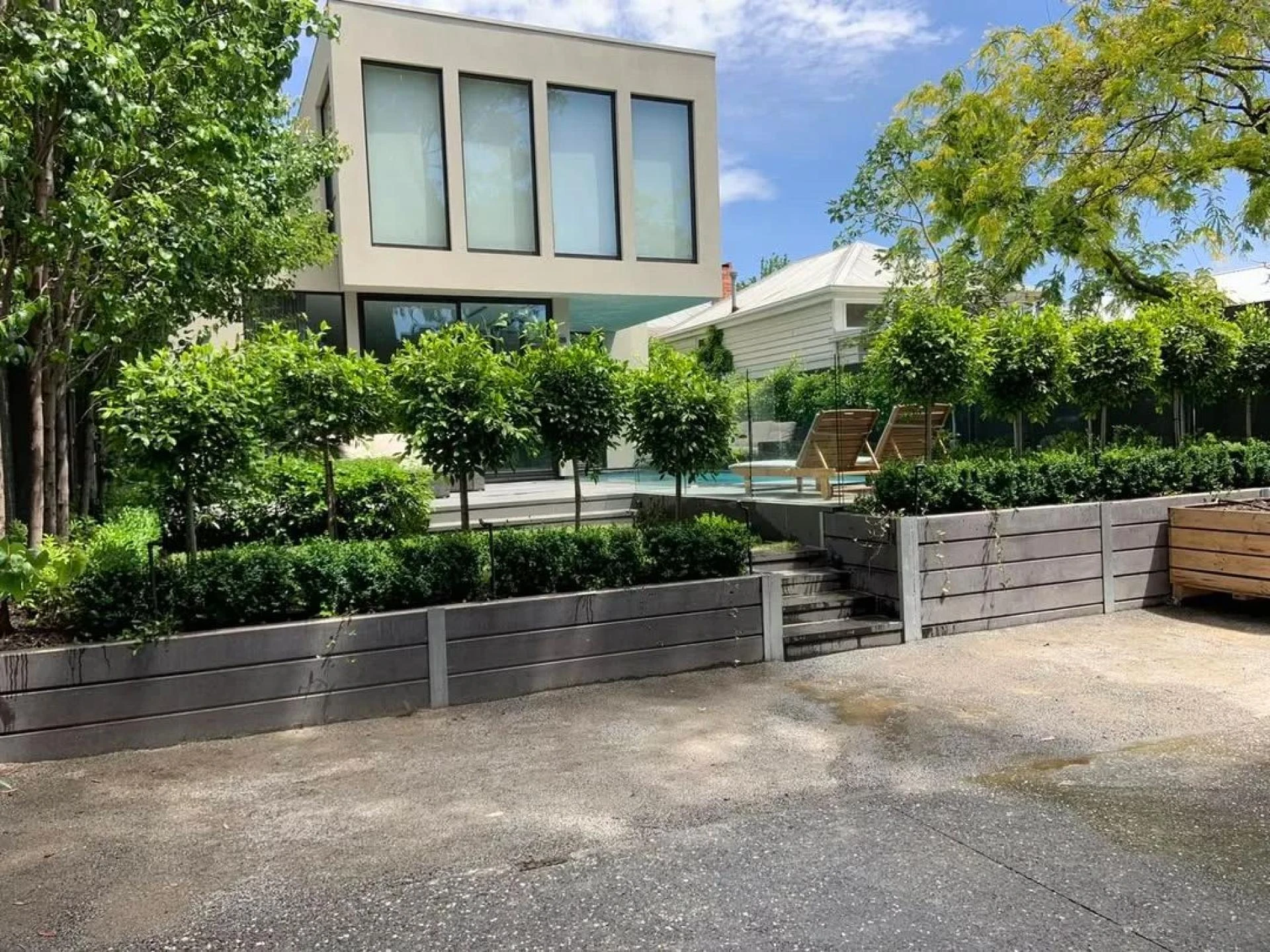
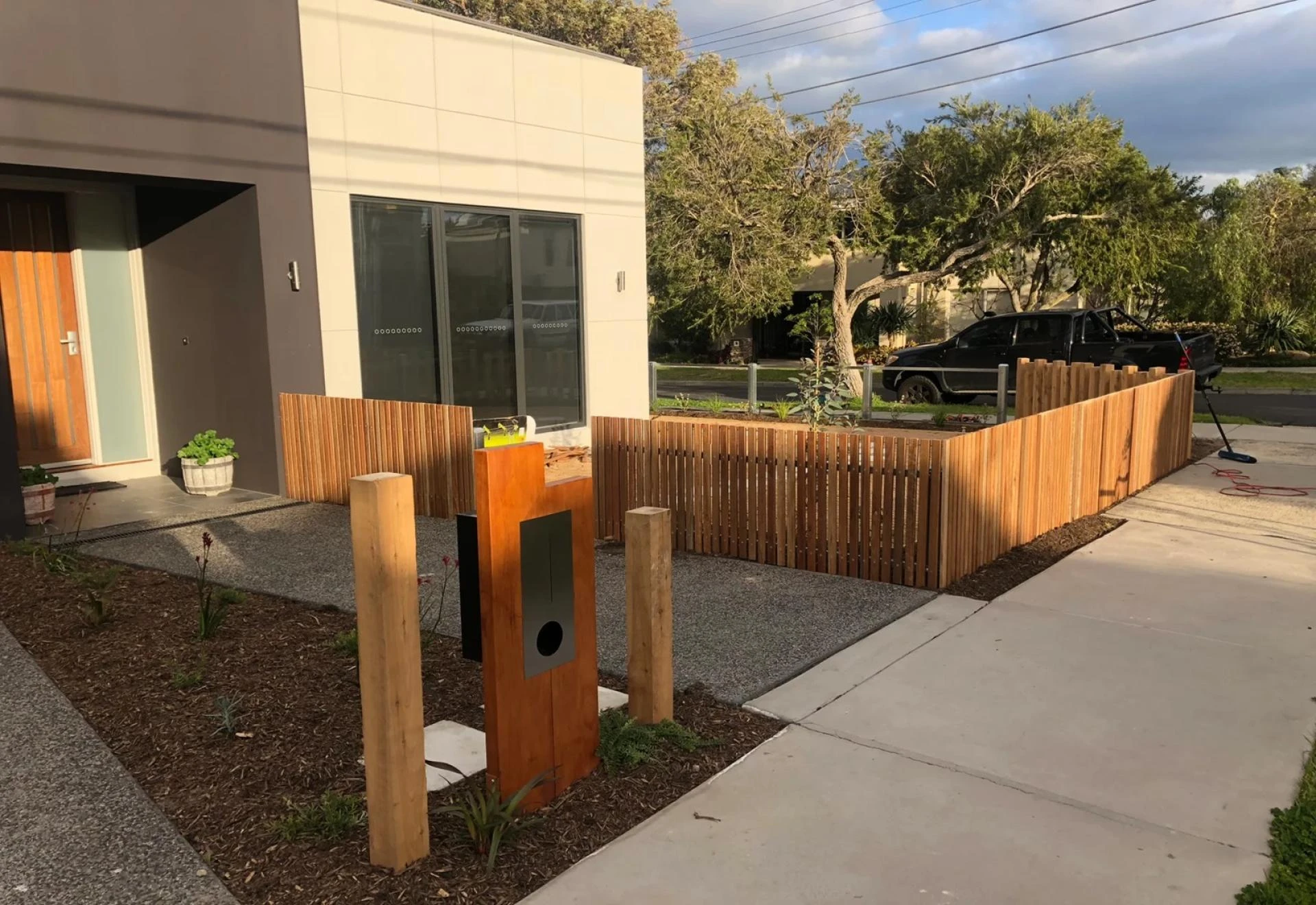
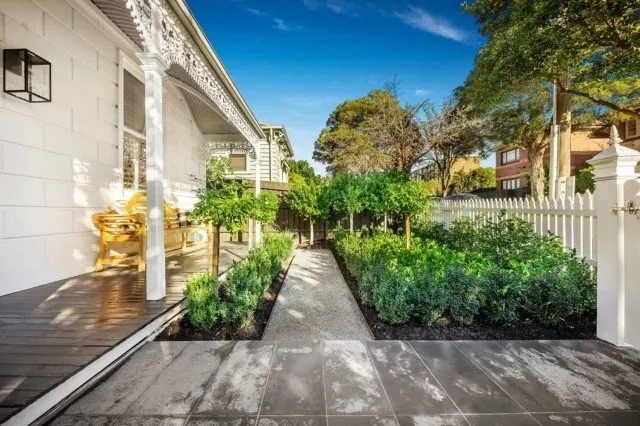
While inspiration is key, executing a beautiful courtyard requires skill, design insight, and horticultural expertise. Hiring professional landscapers such as Forever Green HCS can make all the difference. With experience in crafting sustainable, stylish, and functional outdoor spaces, they can transform your courtyard into a personalised oasis that complements your lifestyle and Melbourne’s unique climate. From design to construction, a professional team ensures every detail—plant choice, layout, drainage, and lighting—works harmoniously to bring your dream courtyard to life.
























Sign in to leave a comment.