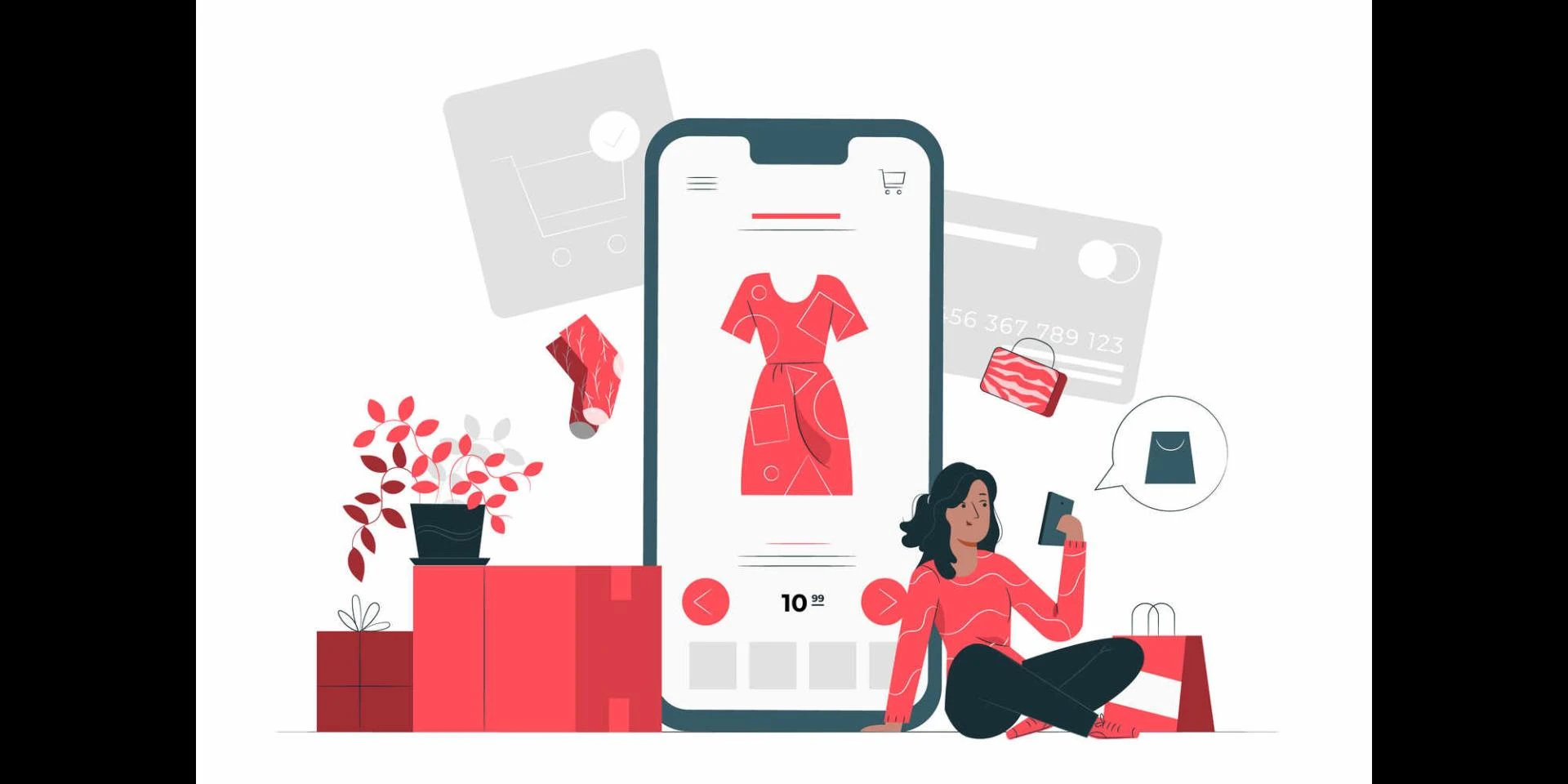

Ecommerce has become integral to our daily lives in today's fast-paced digital world. With the rise of ecommerce, ecommerce apps are becoming increasingly popular among consumers. An ecommerce app provides customers with a convenient and hassle-free way to shop online.
However, developing a successful ecommerce app requires more than just coding skills, which is why you must consult with one of the Top ecommerce development companies in the USA to achieve your goals. This blog post will discuss some tips for a smooth user experience in ecommerce app development.
Understanding User Needs and Preferences
Understanding your target audience is the first step in developing an ecommerce app.
Researching your target audience will help you to identify their needs and preferences. Here are some points to keep in mind:
Analyze User Behavior
Analyzing user behavior can help you to understand how users interact with your app. This information can be used to create a user-friendly interface that is easy to navigate. User behavior analysis can include tracking how users move through your app, their actions, how much time they spend on each screen, and which features they use the most.
Identify User Preferences
Identifying user preferences can help you to create a personalized shopping experience for your users. You can gather this information through surveys or by analyzing user data. Some user preferences you can identify include their preferred payment methods, preferred delivery options, and preferred product categories.
Gather User Feedback
Gathering user feedback can help you improve the app and provide a better user experience. You can gather feedback through in-app surveys or by analyzing user reviews. Feedback can help you to identify bugs, improve features, and enhance the overall user experience.
Create User Personas
Creating user personas can help you to understand your target audience better. User personas are fictional characters that represent your target users. They include age, gender, occupation, interests, and behavior patterns. User personas can help you to make more informed decisions about app features, design, and functionality.
Simple and Intuitive Navigation
A simple and intuitive navigation menu is essential for a smooth user experience in ecommerce app development. The navigation menu should be clear and concise, providing easy access to important features. Here are some points to keep in mind:
Consistency
The navigation should be consistent across the app and use easily recognizable icons and labels. This will help users to understand how to navigate the app quickly.
Minimalistic Design
The interface should be user-friendly, with a minimalistic design. A cluttered interface can confuse users and make it difficult to find what they want.
Visible Navigation
The navigation menu should also be visible at all times, allowing users to easily access it without navigating back to the home page.
Search Functionality
Including a search, functionality can also improve the user experience. For example, this will allow users to search for products or specific information quickly.
Fast and Secure Checkout Process
The checkout process is one of the most important aspects of an ecommerce app. A seamless checkout process can distinguish between a successful sale and an abandoned cart. Here are some points to keep in mind:
Fast Checkout
The checkout process should be optimized to reduce the number of steps required to complete a purchase. Users should be able to easily add products to their cart and complete the checkout process in a few simple steps.
Secure Payment Gateway
A secure payment gateway is essential to protect users' sensitive information. Therefore, the checkout process should be secured using SSL encryption and payment gateway integration.
Guest Checkout
The checkout process should also provide the option for guest checkout, allowing users to make purchases without creating an account. This can reduce friction in the checkout process and increase the chances of a successful sale.
Mobile-Friendly Design
With the increasing use of smartphones, ensuring that your ecommerce app is mobile-friendly is essential. A mobile-friendly design can improve the user experience and increase the chances of a successful sale. Here are some points to keep in mind:
Responsive Design
The app should have a responsive design that can adapt to different screen sizes. This will ensure that users can easily access the app on any device.
Simple Layout
The layout should be simple and easy to navigate on a mobile device. This will help users to find what they are looking for quickly.
Large Buttons and Text
The buttons and text should be large enough to be easily readable and clickable on a mobile device.
Fast Load Time
The app should also have a fast load time to ensure that users do not become frustrated with slow load times and abandon the app.
Personalization
Personalization can improve the user experience by creating a more tailored shopping experience. Here are some points to keep in mind:
Recommended Products
The app should provide recommended products based on users' browsing and purchasing history. This can help users to discover new products and make more informed purchasing decisions.
Personalized Notifications
The app should also provide personalized notifications based on user's preferences and behavior. This can include notifications for sales, new products, or abandoned carts.
Personalized Offers
The app should provide personalized offers based on users' purchasing history and preferences. This can include discounts, free shipping, or other special promotions.
Search Functionality
Search functionality is essential for an ecommerce app to allow users to find the products they are looking for easily. Here are some points to keep in mind:
Clear Search Bar
The search bar should be clearly visible on the app's homepage and have enough space to enter the search terms.
Auto-Suggestions
The app should provide auto-suggestions while users are typing in the search bar to help them find relevant products quickly.
Advanced Search Options
The app should also provide advanced search options to allow users to filter search results based on product category, price range, and other parameters.
Social Media Integration
Social media integration can help increase brand awareness and customer engagement. Here are some points to keep in mind:
Social Media Login
The app should allow users to log in using their social media accounts to make the registration process faster and more convenient.
Social Media Sharing
The app should also provide social media sharing buttons to allow users to share products they like with their friends and followers.
Social Media Ads
The app can also run social media ads to reach a wider audience and increase sales.
Responsive Design
A responsive design is essential for an ecommerce app to provide a seamless experience across different devices. Here are some points to keep in mind:
Fluid Grid Layout
The app should have a fluid grid layout that can adapt to different screen sizes and resolutions.
Scalable Images
The app should also use scalable images that can adjust to different screen sizes without losing quality.
Touch-Friendly Interface
The app should have a touch-friendly interface with large buttons and easy-to-tap links to provide a better user experience on mobile devices.
By considering these additional subheadings, ecommerce app developers can create an app that provides a seamless shopping experience, improves customer satisfaction, and ultimately increases sales.
High-Quality Product Images and Descriptions
High-quality product images and descriptions are essential for an ecommerce app. Here are some points to keep in mind:
Clear and High-Quality Images
The app should provide clear and high-quality images of products. This will help users to see the product details and make informed purchasing decisions.
Detailed Product Descriptions
The app should also provide detailed product descriptions that include product features, specifications, and reviews. This will help users to understand the product better and make informed purchasing decisions.
Zoom and Rotate Features
The app should also provide zoom and rotate features for product images. This will allow users to see the product details from different angles and make informed purchasing decisions.
Conclusion
Developing a successful ecommerce app requires more than just coding skills. Understanding user needs and preferences, providing simple and intuitive navigation, ensuring a fast and secure checkout process, having a mobile-friendly design, personalizing the shopping experience, and providing high-quality product images and descriptions are all essential for a smooth user experience in ecommerce app development.
If you are looking for Magento development services, choosing the best magento website development company with experience in developing successful ecommerce apps is important. By following these tips, you can create an ecommerce app that provides a seamless shopping experience and improves customer satisfaction.
























Sign in to leave a comment.