

Air treatment and purification systems have become common in residential and commercial environments where indoor air quality is a priority. Over time, even well-engineered systems require attention to continue functioning as intended. Understanding how repairs, component replacement, and general upkeep work can help users extend the lifespan of their equipment while maintaining consistent performance. For individuals unfamiliar with technical servicing, learning the basics of EcoQuest repair can provide valuable insight into how these systems operate and how they are supported after purchase.
EcoQuest systems are known for incorporating specialized components that interact with air circulation, filtration, and treatment mechanisms. As with any technical product, wear and tear can develop gradually. Rather than viewing repairs as a failure, many users consider them a routine part of ownership that supports long-term use. Having a clear understanding of repair needs, common issues, and parts compatibility allows owners to make informed decisions without unnecessary disruption.
An Introduction to EcoQuest Systems and Their Design
EcoQuest systems were developed to address indoor air quality through mechanical and electronic processes that interact with airborne particles. These systems typically consist of housings, filters or cells, internal fans, control boards, and external interfaces such as switches or displays. Each component plays a specific role in overall performance. Products developed under EcoQuest International often emphasize modular design, which means many components can be serviced or replaced independently. This approach supports easier maintenance and reduces the need to replace an entire unit when a single part fails. Understanding this design philosophy is essential when approaching EcoQuest repair, as it highlights why proper diagnostics matter before any servicing decision is made.
Over time, exposure to dust, humidity, and continuous operation can affect internal components. Recognizing how these systems are built helps users understand why certain parts may degrade faster than others and why routine inspection is beneficial.
Common Reasons EcoQuest Systems Require Repair
Most repair needs arise from predictable causes rather than sudden failures. One of the most common reasons is component fatigue caused by long-term use. Fans, electrical contacts, and internal cells may gradually lose efficiency after extended operation. Another frequent issue involves improper maintenance, such as delayed cleaning or failure to replace worn parts on schedule. Electrical fluctuations can also contribute to system malfunction. Power surges, unstable voltage, or improper shutdown procedures may affect control boards or internal wiring. Environmental factors, including high humidity or dust-heavy environments, can accelerate component wear as well.
In many cases, the need for EcoQuest repair becomes apparent through performance changes rather than complete system shutdown. Reduced airflow, unusual noises, or inconsistent operation often indicate that attention is required. Identifying these signs early can prevent more extensive servicing later.

The Role of Diagnostics in Effective Repairs
Accurate diagnostics are central to any successful repair process. Because EcoQuest products consist of interconnected systems, addressing symptoms without identifying root causes may lead to incomplete solutions. For example, reduced air output could result from a worn fan, clogged internal component, or control board malfunction.
Professional diagnostic methods often involve inspecting airflow patterns, checking electrical continuity, and evaluating component condition. Even basic visual inspections can reveal loose connections, dust accumulation, or physical damage. Understanding that diagnostics are a step-by-step process helps users appreciate why proper repair takes time and expertise. Effective diagnostics also reduce unnecessary part replacement. Rather than replacing multiple components, identifying the exact source of a problem supports targeted repair and cost efficiency.
Understanding EcoQuest Parts and Component Compatibility
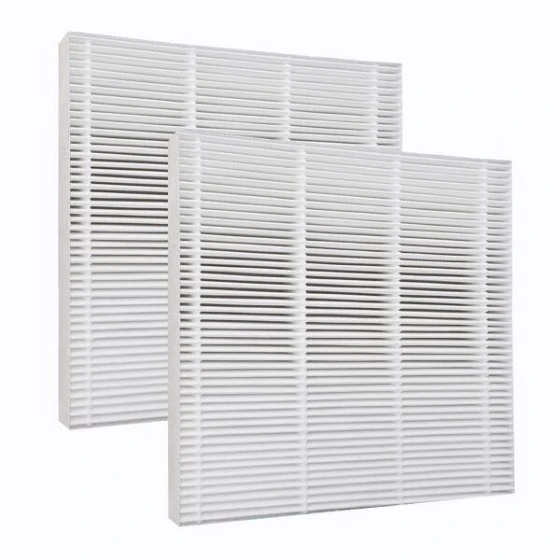
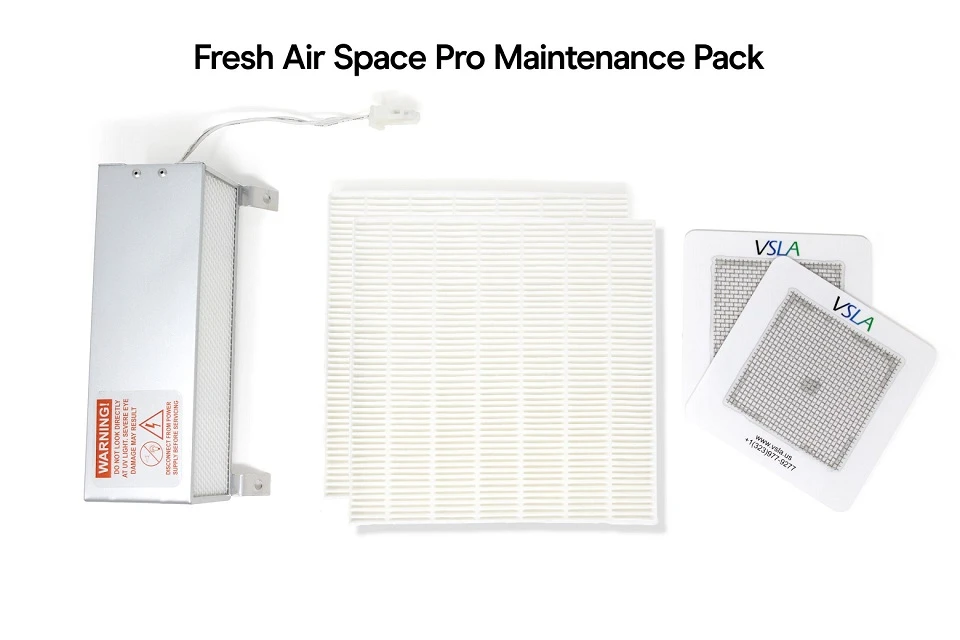
EcoQuest parts are designed to work within specific system configurations. Compatibility is critical, as using incorrect components can affect performance or cause additional issues. Parts such as internal cells, fans, circuit boards, and power modules are engineered to meet precise specifications. When considering EcoQuest repair, understanding part compatibility ensures that replacements function correctly within the system. Some components are model-specific, while others may be interchangeable across product lines. This distinction matters when sourcing parts and planning repairs.
Additionally, the condition of surrounding components should always be considered. Replacing a single worn part without assessing related systems may lead to repeated servicing. A holistic view of the system supports more effective long-term maintenance.
Maintenance Practices That Reduce Repair Frequency
Preventive maintenance plays a significant role in minimizing the need for repairs. Regular cleaning schedules, proper placement, and adherence to operating guidelines help maintain consistent performance. Dust removal from vents and internal surfaces can prevent airflow restriction and overheating. Periodic inspections of cables, connectors, and moving parts help identify early signs of wear. Addressing minor issues promptly often reduces the likelihood of major failures. While no system is immune to aging, consistent care significantly extends functional lifespan.
Maintenance also includes understanding operating limits. Continuous operation beyond recommended durations or use in unsuitable environments can accelerate component degradation. Being mindful of these factors supports reliability and reduces repair needs.
Repair Versus Replacement Considerations
When a system experiences reduced performance, users often wonder whether repair or replacement is the better option. In many cases, EcoQuest repair is a practical solution, particularly when issues are isolated to specific components. Modular design allows targeted fixes rather than full system replacement.
However, age, cumulative wear, and availability of compatible parts may influence this decision. Systems that have undergone multiple repairs over many years may eventually reach a point where replacement becomes more efficient. Understanding this balance helps users make informed choices based on condition rather than assumptions. Evaluating repair feasibility involves assessing part availability, system age, and overall performance goals. A thoughtful approach avoids unnecessary expense while maintaining effective air treatment.

The Importance of Accurate Information for Users
For individuals unfamiliar with technical systems, navigating repair decisions can be challenging. Access to accurate, neutral information supports better understanding and reduces reliance on assumptions. Learning about EcoQuest products, their components, and how they function empowers users to communicate effectively with technicians or service providers.
Clear documentation and model-specific knowledge play an important role in this process. When users understand terminology and basic system operation, repair discussions become more productive and transparent.
Long-Term Care and System Longevity
Extending the lifespan of air treatment systems depends on a combination of proper usage, routine maintenance, and timely repair. EcoQuest repair is most effective when approached proactively rather than reactively. Addressing small issues early helps preserve system integrity and performance. Long-term care also involves adapting maintenance practices as systems age. Older units may require more frequent inspections, while newer systems benefit from establishing good habits early. This evolving approach supports consistent air treatment quality over time.
Understanding how repair, maintenance, and component compatibility work together provides valuable perspective for users of EcoQuest systems. Rather than viewing repairs as setbacks, they can be seen as part of responsible ownership that supports longevity and performance. By recognizing common issues, prioritizing diagnostics, and maintaining systems properly, users can make informed decisions that align with their needs and expectations.
























Sign in to leave a comment.