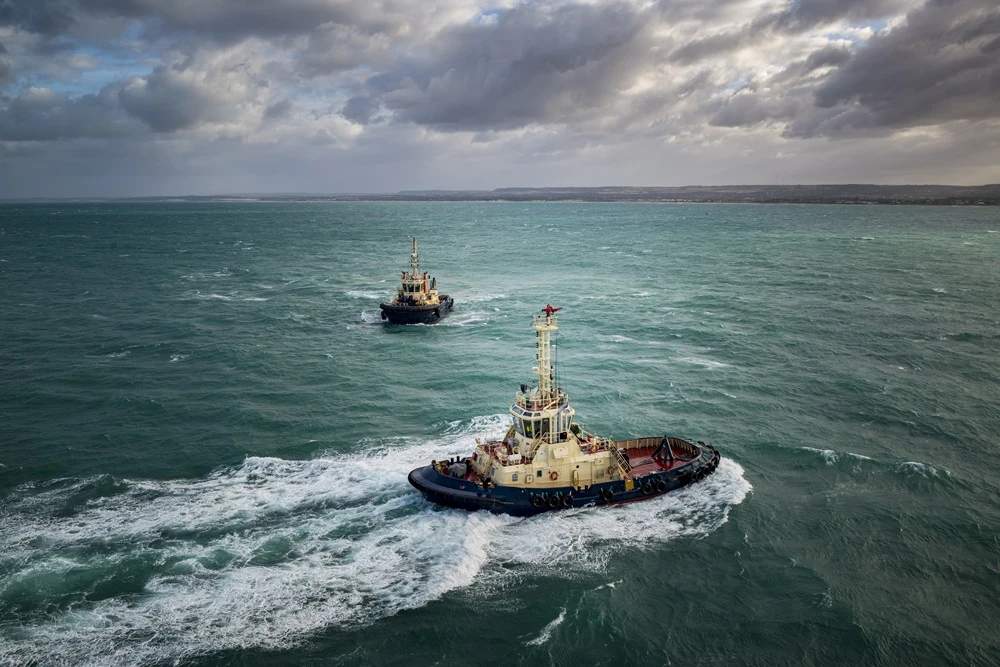

When it comes to choosing the best propulsion system for your boat, there are two major options to consider — electric propulsion systems and traditional internal combustion engine systems. This decision significantly impacts not only your boating experience but also your environmental footprint, operating costs, and long-term reliability. With technological advancements and increasing environmental awareness, many boaters are now entertaining the possibility of switching to electric propulsion systems for boats. But how do these two systems compare, and which one is the better choice for your specific needs? Let's break it down.
Understanding Traditional Propulsion Systems
Traditional propulsion systems rely on internal combustion engines, fueled by gasoline or diesel. These systems have been the norm in boating for decades, valued for their proven efficiency, reliability, and long-time availability. Thanks to their wide adoption, traditional propulsion systems come with a robust infrastructure of maintenance services, fueling stations, and spare parts.
However, internal combustion engines have their drawbacks. They are inherently noisy, disruptive, and polluting. The exhaust emissions from a gasoline or diesel engine contribute to air and water pollution, compounding concerns about environmental degradation. Additionally, traditional propulsion systems require routine maintenance, which can add to the overall operational cost.
What is an Electric Propulsion System?
Electric propulsion systems use electricity to power a motor, creating movement without the need for fossil fuels. Often powered by rechargeable batteries, these systems are increasingly adopted across the marine industry thanks to their cleaner energy profile and reduced noise levels. Electric propulsion systems for boats are particularly suited for eco-conscious boaters who value sustainable and quiet operation.
By eliminating reliance on fossil fuels, electric propulsion systems dramatically reduce carbon emissions and pollution. Boaters no longer have to worry about engine noise disrupting their experience or spilling fuel into the water. With electricity as the driving force, these systems align with global efforts to reduce greenhouse gas emissions while supporting innovation for a sustainable future.
Performance Comparison of Electric and Traditional Systems
One important factor to compare between electric propulsion systems for boats and traditional propulsion systems is their performance in different operational scenarios.
1. Power and Speed
Traditional systems are often preferred in applications requiring high power and long-range operation, such as commercial fishing or long-distance cruising. Internal combustion engines excel at delivering raw horsepower to handle heavy loads.
On the other hand, electric propulsion systems are gaining ground in power output as battery technology improves. They may still have some limitations in terms of range and speed for long journeys, but these are rapidly diminishing as developments in battery design and energy storage continue to evolve.
2. Efficiency and Convenience
Electric propulsion systems are inherently more energy-efficient than internal combustion engines since they convert a higher percentage of their energy into usable thrust. This makes them a more economical choice over time, especially when coupled with renewable energy sources like solar panels or wind turbines for recharging. While traditional engines require constant fueling, electric systems offer the convenience of shore charging or even mobile charging stations in some locations.
3. Noise and Vibration
One of the most striking contrasts lies in noise levels. Traditional engines produce significant noise and vibration, which can detract from the tranquil boating experience many desire. Electric propulsion systems, on the other hand, operate almost silently, enhancing onboard comfort and ensuring a more peaceful time for occupants and surrounding wildlife.
4. Maintenance
Traditional propulsion systems require regular maintenance, with components like oil filters, fuel injectors, and cooling systems needing frequent servicing. Electric propulsion systems, however, have fewer moving parts, and their maintenance requirements are minimal. This makes electric systems not only cost-efficient but also less prone to unexpected breakdowns.
The Environmental Advantage of Electric Propulsion Systems
Environmental preservation is an increasingly critical consideration for many boaters. Traditional internal combustion engines are notorious contributors to carbon dioxide emissions and water pollution due to fuel spills, unburnt hydrocarbons, and harmful exhaust gases.
Electric propulsion systems for boats, in contrast, represent a cleaner alternative. Without the need for fossil fuels, these systems help minimize environmental harm. By using electric motors, boaters essentially eliminate localized air pollution and contribute to healthier aquatic ecosystems. Another benefit is the potential to pair electric propulsion systems with renewable energy installations, such as solar panels on the boat, enabling greener energy generation and storage.
Cost Considerations
Cost often plays a central role in deciding between electric and traditional propulsion systems. While traditional systems generally have a lower upfront cost, their ongoing expenses can quickly add up. Fuel prices, regular maintenance, and repairs make traditional propulsion systems expensive in the long run.
Electric systems may have a higher initial price point due to the cost of advanced batteries and electric motors. However, they offset these expenses through significantly lower operational costs. The price of charging batteries is usually much lower than refueling, and the streamlined design of electric systems reduces maintenance and repair expenses. Over time, this can result in considerable savings for the boat owner.
Why Flux Marine is Leading the Way in Electric Propulsion Systems
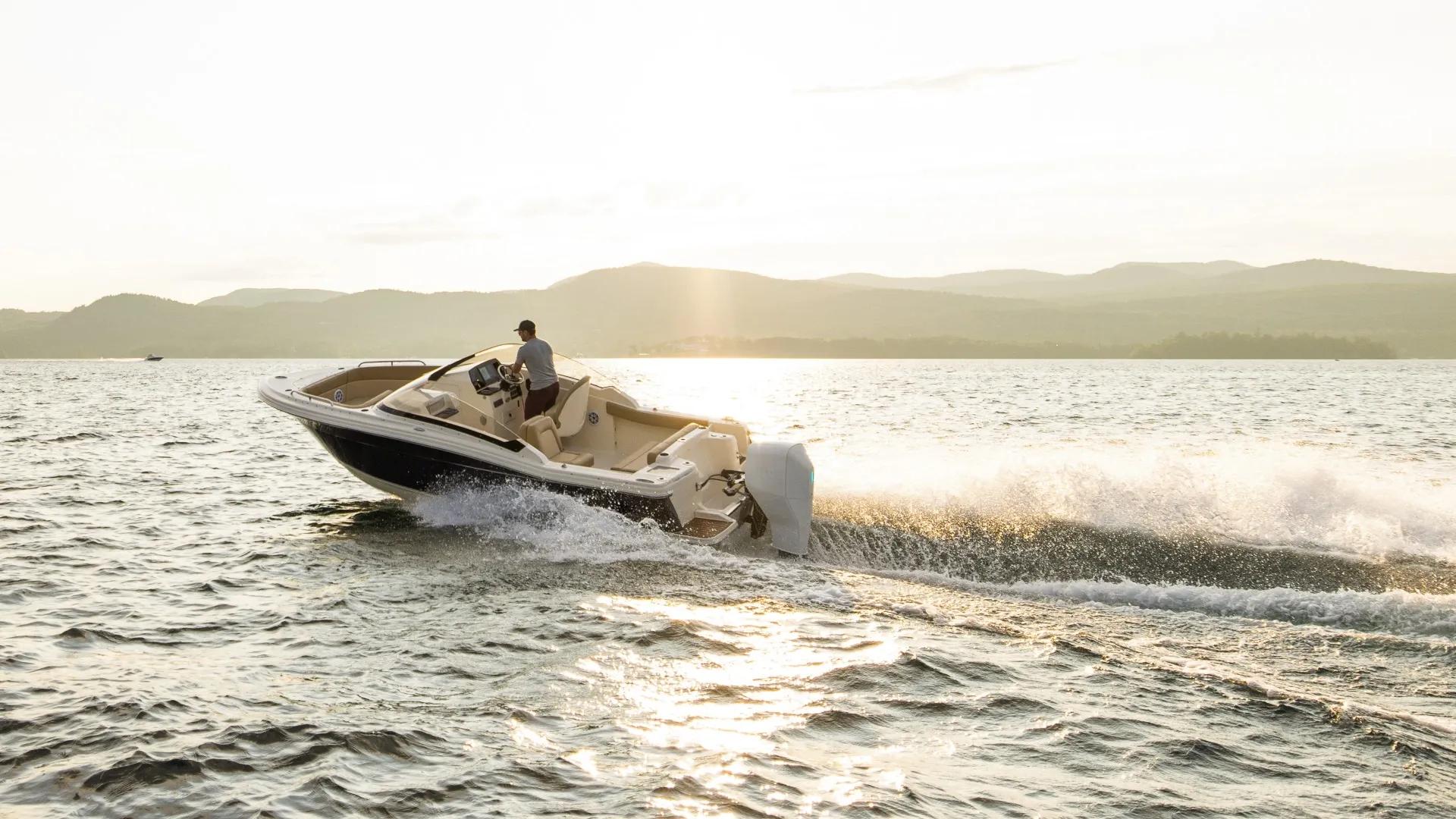
One company at the forefront of the push toward electric boating solutions is Flux Marine. Flux Marine is revolutionizing the boating industry with its innovative electric propulsion systems for boats. Designed with performance and sustainability in mind, their systems provide a compelling alternative to traditional engines.
Flux Marine's electric motors are lightweight yet powerful, offering competitive speed and efficiency. With advanced battery technology, these motors provide extended run times while maintaining exceptional durability. Flux Marine’s solutions are meticulously engineered to enhance the boating experience, offering benefits such as low noise, zero emissions, and reduced maintenance.
By choosing Flux Marine's electric propulsion systems for your boat, you can enjoy the perfect balance of modern engineering and environmental responsibility. Their systems allow boaters to contribute to marine conservation without compromising on performance or pleasure.
Is an Electric Propulsion System Right for You?
Deciding whether to adopt an electric propulsion system depends on your specific boating activities, budget, and priorities. For shorter trips in areas with access to recharging stations, an electric propulsion system is ideal for its sustainability and quiet operation. It’s particularly appealing to those who use their boats for leisure, fishing, or eco-tours, where a calm and clean environment is paramount.
For high-speed applications or longer voyages, a traditional engine might still hold an edge for now, but the gap is narrowing as electric technology improves. Consider your access to charging infrastructure, desired range, and performance needs when weighing the options.
The Future of Boating is Electric
Boating is undergoing a transformation as the marine industry embraces cleaner, smarter technologies. Electric propulsion systems for boats are not just a passing trend; they represent the future. With companies like Flux Marine championing this transition, eco-conscious boaters have an opportunity to align their passion for the water with sustainability and innovation.
The choice between electric and traditional propulsion systems ultimately comes down to careful evaluation of your boating habits and goals. However, the benefits of transitioning to electric—from reduced noise and maintenance to environmental stewardship—are undeniable. Whether you are navigating serene lakes or coastal waters, choosing an electric propulsion system for your boat is a step toward a greener, more sustainable future on the water.

























Sign in to leave a comment.