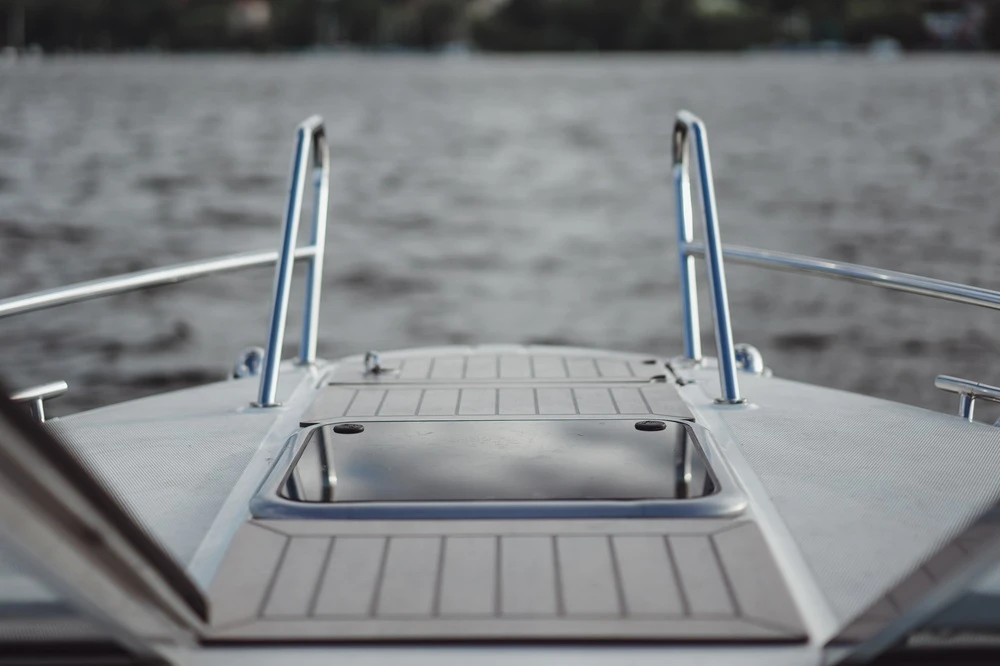

The marine industry is witnessing a significant shift in recent years, driven by environmental concerns, technological advancements, and the rising costs of traditional fuel. Among the most notable innovations is the electric propulsion system for boats. While electric propulsion offers several benefits, it also comes with certain limitations. In this blog, we explore the pros and cons of adopting electric propulsion systems for modern boating, helping boat owners and enthusiasts make informed decisions.
What Is an Electric Propulsion System for Boats?
An electric propulsion system for boats uses electricity to power the vessel’s motor instead of conventional internal combustion engines (ICE) that rely on diesel or gasoline. These systems typically include a battery pack, an electric motor, and a control system to regulate power flow. Some advanced setups integrate renewable energy sources, such as solar panels or hybrid systems, making them even more environmentally friendly.
Unlike traditional engines, electric propulsion systems are quieter, produce zero direct emissions, and offer instant torque for smooth acceleration. However, they also require careful planning for energy storage, charging, and overall maintenance.

Pros of Electric Propulsion Systems for Boats
1. Environmentally Friendly
One of the most significant advantages of an electric propulsion system for boats is its minimal environmental impact. Electric motors produce zero emissions while operating, reducing greenhouse gases and air pollution. This makes them particularly attractive for lakes, rivers, and protected coastal areas where emissions from traditional engines can harm aquatic ecosystems.
2. Quiet and Smooth Operation
Noise pollution is a common complaint among boaters, especially in recreational areas. Electric propulsion systems offer a near-silent experience, eliminating the loud engine noise associated with gas or diesel engines. The smooth acceleration and lack of vibrations make for a more enjoyable ride, enhancing comfort for passengers and wildlife alike.
3. Lower Operating Costs
Electric motors are generally more efficient than internal combustion engines, which translates into lower fuel costs. Charging a battery is often cheaper than filling a tank of gasoline or diesel. Additionally, electric motors have fewer moving parts, reducing maintenance costs and the likelihood of mechanical failure. Over time, these savings can make electric propulsion an economically appealing choice for boat owners.
4. Reduced Maintenance Requirements
Traditional boat engines require regular oil changes, fuel system checks, and other routine maintenance tasks. In contrast, an electric propulsion system for boats has significantly fewer mechanical components, meaning less wear and tear. This reduces the time, effort, and cost associated with upkeep, allowing owners to focus more on enjoying their boating experience.
5. Instant Torque and Improved Maneuverability
Electric motors deliver power instantly, providing excellent torque at low speeds. This feature improves maneuverability, making docking and navigating tight spaces easier and more precise. For activities like fishing or water sports, the responsive control offered by electric propulsion can be a significant advantage.
6. Eligibility for Incentives
Many governments and environmental organizations offer incentives for adopting green technology, including grants, tax benefits, or discounted mooring fees for electric boats. By switching to an electric propulsion system for boats, owners may qualify for these programs, offsetting some of the initial investment costs.
Cons of Electric Propulsion Systems for Boats
While electric propulsion offers many benefits, it is essential to consider the limitations before making a decision.
1. Limited Range
The range of electric boats is primarily determined by battery capacity. Most current systems are suitable for short to medium-distance trips but may not be ideal for long offshore journeys. Boaters must plan trips carefully and consider charging infrastructure, which may not be available in remote areas.
2. Longer Charging Times
Unlike refueling a gasoline engine, which takes minutes, charging an electric boat battery can take several hours. Fast-charging solutions exist, but they are not yet widely available in marinas, limiting convenience for long trips or frequent use.
3. Higher Initial Cost
The upfront cost of an electric propulsion system for boats is typically higher than that of a comparable gasoline or diesel engine. Batteries, electric motors, and control systems involve advanced technology that can be expensive. Although operating costs are lower, the initial investment may deter some buyers.
4. Battery Lifespan and Replacement
Batteries degrade over time, losing capacity and efficiency. Replacing large marine-grade batteries can be costly and may require professional installation. Owners must factor in long-term battery replacement costs when considering an electric propulsion system.
5. Limited Performance in Extreme Conditions
Electric propulsion systems can be less effective in extreme weather or rough seas, particularly if energy reserves are low. Cold temperatures can also reduce battery efficiency, impacting performance and range. These factors make electric propulsion systems more suitable for calm waters and temperate climates.
6. Infrastructure Challenges
While the adoption of electric boating is growing, the supporting infrastructure is still developing. Charging stations, maintenance services, and replacement parts may not be readily available in all regions. This can be a limiting factor for boat owners who travel extensively or live in remote areas.
Conclusion
The electric propulsion system for boats represents a transformative step for modern boating, combining eco-friendliness, quiet operation, and low maintenance with advanced technology. For environmentally conscious boaters and those who prioritize comfort and efficiency, electric propulsion is an excellent choice.
However, it is not without challenges. Limited range, longer charging times, and higher initial costs mean that electric boats are currently best suited for short-distance trips, recreational use, or areas with supporting infrastructure.
Ultimately, the decision to adopt an electric propulsion system should consider both lifestyle needs and environmental goals. As battery technology advances and infrastructure improves, the cons of electric propulsion are likely to diminish, making it an increasingly viable option for modern boating enthusiasts.
Embracing electric propulsion today positions boaters at the forefront of a sustainable, quiet, and efficient future on the water.
























Sign in to leave a comment.