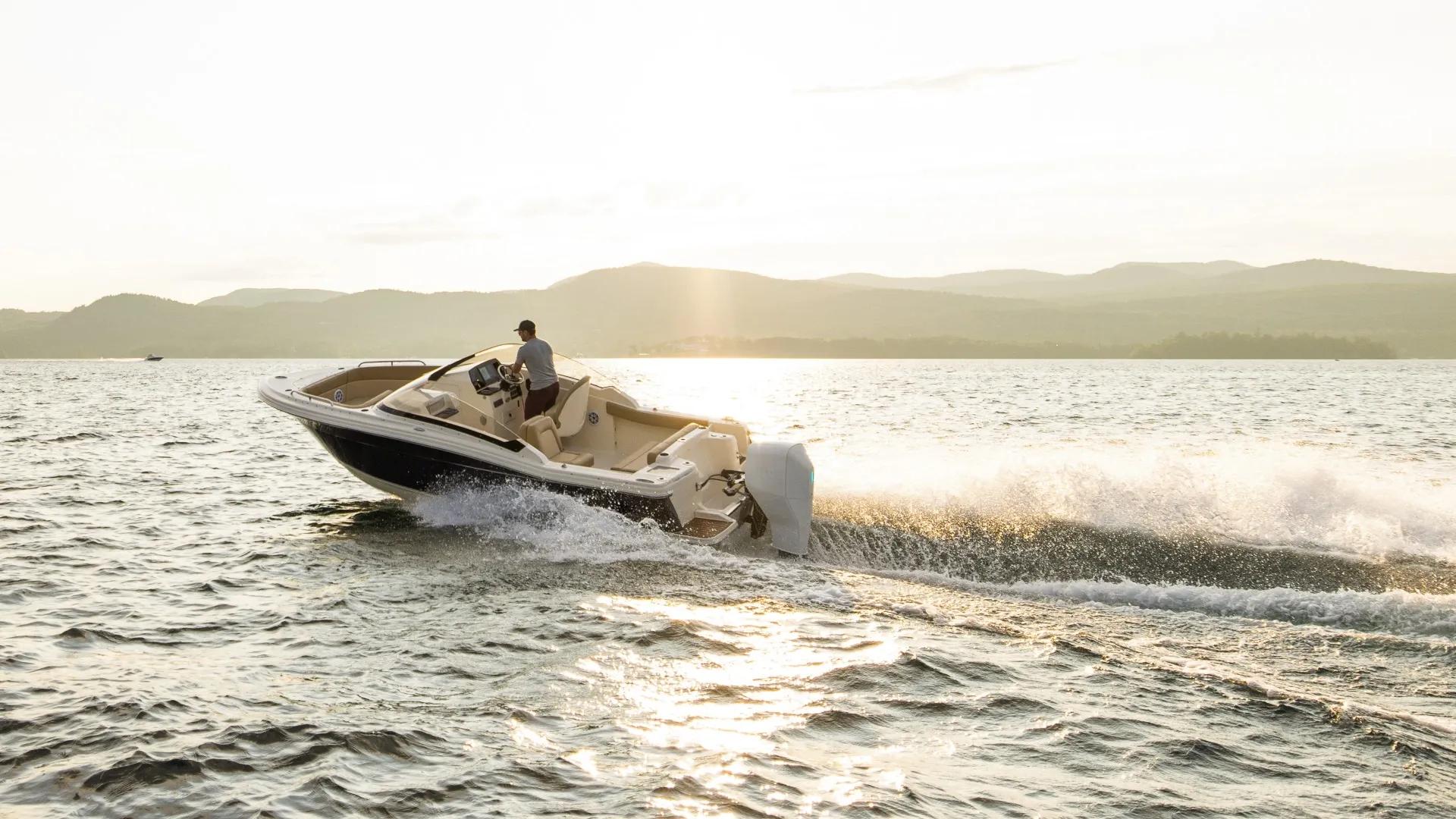

Electric propulsion systems are transforming the boating experience with their quiet operation, zero emissions, and low maintenance requirements. However, like any marine equipment, these systems need proper care to deliver peak performance and longevity. Regular maintenance ensures your electric boat stays reliable on the water while protecting your investment.
This guide covers the essential maintenance tasks every electric boat owner should know, from battery care to motor inspections. Whether you're new to electric boating or looking to optimize your current maintenance routine, these practical tips will help keep your system running at its best.
Regular Cleaning and Inspection
Start every maintenance routine with a thorough visual inspection. Check all electrical connections for signs of corrosion, looseness, or damage. Marine environments are particularly harsh on electrical components, so look for any white or green buildup around terminals and connectors.
Clean your system components regularly using fresh water and mild soap. Avoid high-pressure washing near electrical connections, as this can force water into sealed areas. Pay special attention to the motor housing and cooling vents, removing any salt buildup or debris that could affect performance.
Document any issues you find during inspections. Keeping maintenance records helps identify patterns and can be valuable for warranty claims or resale.
Battery Maintenance
Your battery bank is the heart of your electric propulsion system. Check battery voltage regularly using a multimeter, and monitor individual cell voltages in lithium systems to ensure balanced charging.
Keep battery terminals clean and tight. Apply a thin layer of dielectric grease to prevent corrosion. For lithium batteries, verify that the battery management system (BMS) is functioning correctly by checking for error codes or warning lights.
Temperature management is crucial for battery longevity. Ensure adequate ventilation around battery compartments and consider installing temperature monitoring if your system doesn't include it. Avoid exposing batteries to extreme temperatures whenever possible.
Store batteries at the manufacturer's recommended state of charge during extended periods of non-use. This typically ranges from 40-60% for lithium batteries.
Motor Maintenance
Electric marine motors require minimal maintenance compared to internal combustion engines, but they're not maintenance-free. Check motor mounts regularly to ensure they remain tight and properly aligned. Vibration from loose mounts can damage both the motor and surrounding components.
Inspect cooling systems if your motor uses liquid cooling. Check coolant levels and look for leaks in hoses or fittings. Replace coolant according to the manufacturer's schedule, typically every two to three years.
For air-cooled motors, keep cooling fins clean and free from debris. Blocked airflow can cause overheating and premature component failure.
Monitor motor temperature during operation using built-in sensors or aftermarket gauges. Consistent overheating indicates potential issues that need professional attention.
Propeller and Shaft Care
Inspect your propeller regularly for damage, including nicks, dents, or bent blades. Even minor damage can cause vibration and reduce efficiency. Remove fishing line, rope, or other debris wrapped around the shaft or propeller.
Check the propeller shaft for play or unusual movement. Excessive wear in shaft bearings can lead to water intrusion and motor damage. Lubricate shaft seals according to manufacturer specifications.
For saildrive or pod drive systems, inspect seals and gaskets during haul-outs. Replace worn seals promptly to prevent water damage to expensive drive components.
Software Updates
Modern electric propulsion systems often include sophisticated control software and monitoring systems. Check for firmware updates regularly through your manufacturer's website or dealer network.
Keep system displays and control units updated to ensure compatibility and access to the latest features. Many manufacturers release updates that improve efficiency, add functionality, or fix known issues.
Back up your system settings before performing updates. This allows you to restore your preferred configurations if something goes wrong during the update process.
Winterization Tips
Proper winterization extends the life of your electric propulsion system in cold climates. Remove batteries from the boat if possible, storing them in a temperature-controlled environment with appropriate charging maintenance.
Drain cooling systems completely if your motor uses liquid cooling. Use marine-grade antifreeze in systems that can't be fully drained. Protect exposed metal surfaces with appropriate marine corrosion inhibitors.
Cover electrical connections and control panels to prevent moisture accumulation during storage. Consider using desiccant packets in enclosed electrical compartments to absorb residual humidity.
Maximizing Your Electric Boating Experience
Regular maintenance keeps your electric propulsion system reliable and efficient for years to come. Create a maintenance schedule based on your manufacturer's recommendations and your specific usage patterns. Most electric boat owners find that spending a few hours each season on preventive maintenance saves significant time and money compared to dealing with unexpected failures.
Consider joining electric boating communities or forums where experienced owners share maintenance tips and troubleshooting advice. These resources can be invaluable for learning about system-specific issues and solutions.
With proper care, your electric propulsion system will provide many seasons of quiet, clean boating enjoyment while requiring far less maintenance than traditional marine engines.
























Sign in to leave a comment.