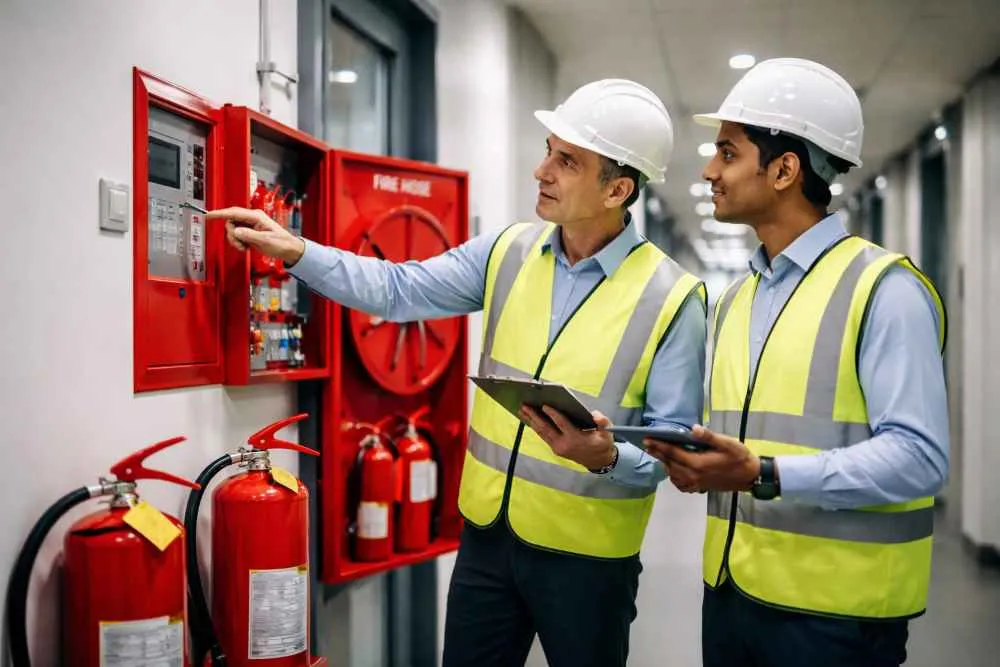

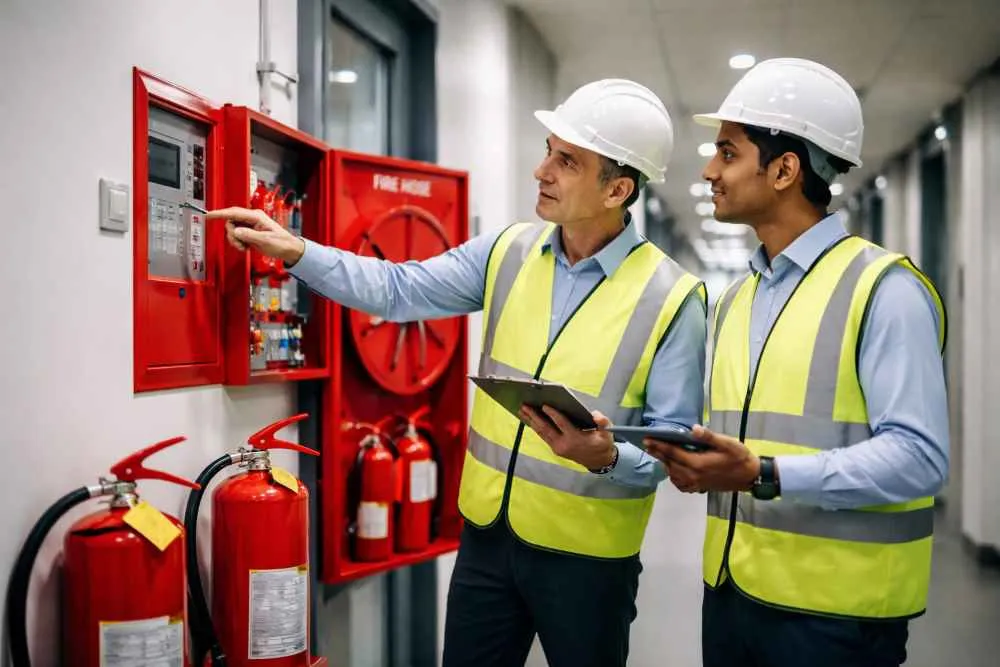
Electricity is a basic part of our daily life. It powers machines, offices, homes, and industries. But at the same time, it can be dangerous if not handled properly. Small issues like faulty wiring or overloaded circuits can lead to serious problems like fire, electric shock, or equipment damage. That is why an Electrical Safety Audit becomes very important.
What is an Electrical Safety Audit?
An Electrical Safety Audit is a detailed check of all electrical systems, equipment, and practices in a building or industry. Its main purpose is to find problems, reduce risks, and make sure everything is safe and working properly.
It includes inspecting wiring, panels, machines, and safety systems. Experts also check whether the setup follows safety rules and standards.
In simple words, it is like a “health check-up” for your electrical system.
Why is Electrical Safety Important?
Electricity is invisible—you cannot see, smell, or hear it. But it can cause serious damage if something goes wrong.
Electrical problems can lead to:
- Electric shocks
- Fires due to short circuits
- Damage to machines
- Production loss in industries
Many accidents happen because of small issues that are ignored. An Electrical Safety Audit helps find these hidden risks early and fix them.
Objectives of an Electrical Safety Audit
The main goals of an Electrical Safety Audit are:
1. Identify Hazards
It helps in finding problems like exposed wires, faulty equipment, and overloaded circuits.
2. Ensure Safety
It protects people from electrical accidents like shocks and burns.
3. Check Compliance
It ensures that all systems follow safety rules and government standards.
4. Improve System Performance
It helps electrical systems work better and more efficiently.
5. Prevent Loss
It reduces chances of fire, damage, and costly breakdowns.
What Does an Electrical Safety Audit Cover?
An Electrical Safety Audit checks many areas in detail. Some important parts include:
Electrical Panels and Distribution Boards
- Condition of panels
- Proper labeling
- Overloading issues
Wiring and Cables
- Insulation quality
- Proper routing
- Earthing and grounding
Protective Devices
- Circuit breakers
- Fuses and RCDs
- Earth leakage protection
Electrical Equipment
- Machine condition
- Maintenance records
- Safety certification
Earthing System
- Proper grounding
- Safety connections
Lighting and Emergency Systems
- Emergency lights
- Exit signs
Work Practices
- Safety procedures
- Training of staff
- Lockout/Tagout system
These checks ensure that the whole system is safe and reliable.
Steps Involved in an Electrical Safety Audit
An Electrical Safety Audit is done step by step. Here is the simple process:
1. Planning the Audit
Experts first understand the site, equipment, and operations.
2. Site Inspection
They physically check electrical systems, wiring, and machines.
3. Testing and Measurement
Different tests are done using special tools to check performance and safety.
4. Risk Assessment
All problems are identified and evaluated based on risk level.
5. Report Preparation
A detailed report is prepared with findings and suggestions.
6. Corrective Actions
Recommendations are given to fix the problems and improve safety.
This systematic approach helps in reducing risks and improving safety standards.
Common Problems Found During an Audit
During an Electrical Safety Audit, experts often find issues like:
- Loose or damaged wiring
- Overloaded circuits
- Improper earthing
- Old or faulty equipment
- Lack of maintenance
- Missing safety devices
These problems may look small but can cause major accidents if ignored.
Benefits of Electrical Safety Audit
Conducting regular Electrical Safety Audits provides many benefits:
1. Prevents Accidents
It helps avoid electric shocks, fires, and injuries.
2. Saves Money
Fixing small problems early avoids costly repairs later.
3. Improves Equipment Life
Well-maintained systems last longer.
4. Ensures Legal Compliance
It helps follow safety rules and avoid penalties.
5. Increases Productivity
Safe systems reduce downtime and improve work efficiency.
6. Enhances Workplace Safety
Employees feel safe and confident while working.
An audit is not just a requirement—it is an investment in safety and reliability.
Who Should Conduct an Electrical Safety Audit?
An Electrical Safety Audit should always be done by trained professionals or certified auditors.
They have the knowledge and tools to:
- Identify hidden risks
- Perform accurate testing
- Suggest correct solutions
Trying to do it without expertise can be risky and ineffective.
How Often Should You Conduct an Electrical Safety Audit?
The frequency of audits depends on the type of facility:
- Industries: Every year
- Commercial buildings: Every 1–2 years
- High-risk areas: More frequently
Regular audits help maintain continuous safety and avoid unexpected issues.
Signs That You Need an Electrical Safety Audit
You should consider an Electrical Safety Audit if you notice:
- Frequent power failures
- Burning smell or sparks
- High electricity bills
- Old wiring or equipment
- Equipment overheating
These are warning signs that your system needs immediate attention.
Electrical Safety Audit for Different Sectors
Electrical Safety Audits are important for all types of places:
Industries
Heavy machines and high power usage make audits essential.
Offices
Computers, AC systems, and lighting need proper safety checks.
Hospitals
Critical equipment requires safe and uninterrupted power.
Residential Buildings
Old wiring and improper installations can be dangerous.
Every sector has different risks, but safety is equally important everywhere.
Role of Electrical Safety Audit in Fire Prevention
Many fire accidents happen due to electrical faults like short circuits or overheating.
An Electrical Safety Audit helps by:
- Identifying overheating points
- Checking load balance
- Ensuring proper earthing
- Detecting faulty equipment
By fixing these issues, the chances of fire are greatly reduced.
How Electrical Safety Audit Improves Energy Efficiency
An Electrical Safety Audit not only improves safety but also helps in saving energy.
It identifies:
- Energy wastage
- Inefficient equipment
- Power quality issues
By fixing these, businesses can reduce electricity bills and improve efficiency.
Why Choose Professional Electrical Safety Audit Services?
Professional services ensure:
- Accurate inspection
- Proper testing tools
- Detailed reporting
- Expert recommendations
Companies like Elixir Engineering provide reliable Electrical Safety Audit services to help businesses maintain safety and compliance.
Conclusion
An Electrical Safety Audit is a very important process that helps keep people, property, and systems safe. It identifies risks, improves performance, and ensures compliance with safety standards.
Ignoring electrical safety can lead to serious accidents, but regular audits can prevent them. Whether it is a factory, office, or building, every place should conduct Electrical Safety Audits on a regular basis.
If you want a safe and efficient environment, investing in an Electrical Safety Audit is the right step.
Frequently Asked Questions
1. What is an Electrical Safety Audit in simple terms?
It is a detailed check of electrical systems to find problems and improve safety.
2. Why is Electrical Safety Audit important?
It helps prevent accidents like electric shocks and fires.
3. Who can perform an Electrical Safety Audit?
Only trained and certified professionals should conduct it.
4. How long does an Electrical Safety Audit take?
It depends on the size of the facility, but usually takes a few hours to a few days.
5. Is Electrical Safety Audit mandatory?
In many industries, it is required by law and safety regulations.





























Sign in to leave a comment.