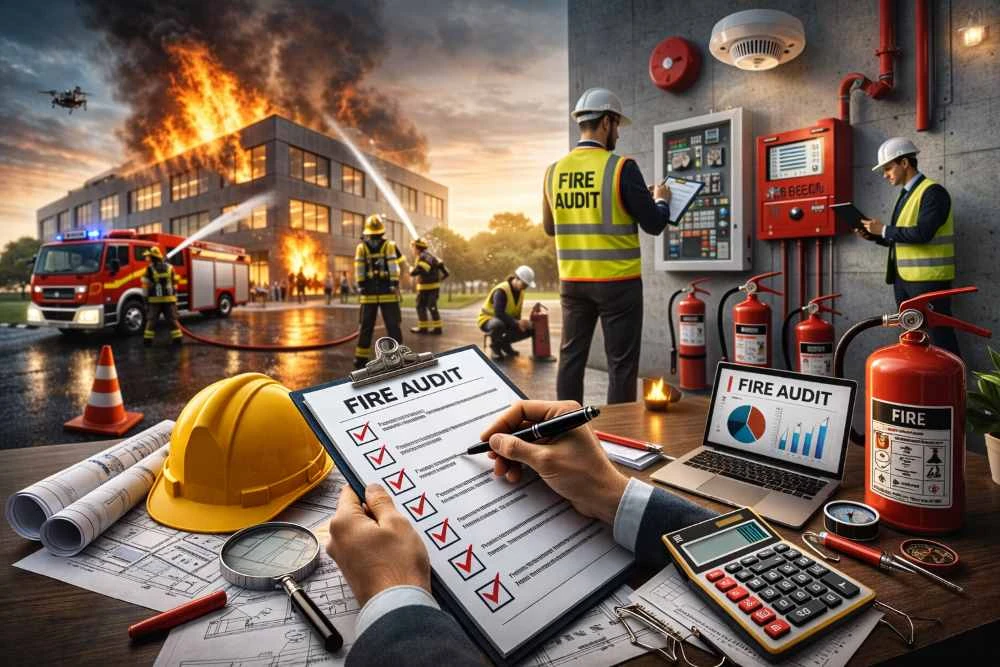

Fire safety is one of the most important aspects of building management. Whether it is a residential complex, office building, factory, hospital, or shopping mall, the risk of fire accidents can never be ignored. Even a small mistake such as faulty wiring, blocked exits, or poorly maintained fire equipment can lead to a major disaster. This is where a Fire Audit becomes essential.
A Fire Audit is a detailed inspection and evaluation of a building’s fire safety systems, equipment, and procedures. It helps identify potential fire hazards and ensures that the building follows proper fire safety regulations. By conducting regular audits, building owners and organizations can protect lives, prevent property damage, and maintain compliance with safety standards.
What Is a Fire Audit?
A Fire Audit is a systematic inspection of a building’s fire safety arrangements. It evaluates whether the installed fire protection systems, emergency plans, and safety equipment are functioning properly and meet the required safety standards.
During the audit, fire safety experts check several elements such as:
- Fire alarm systems
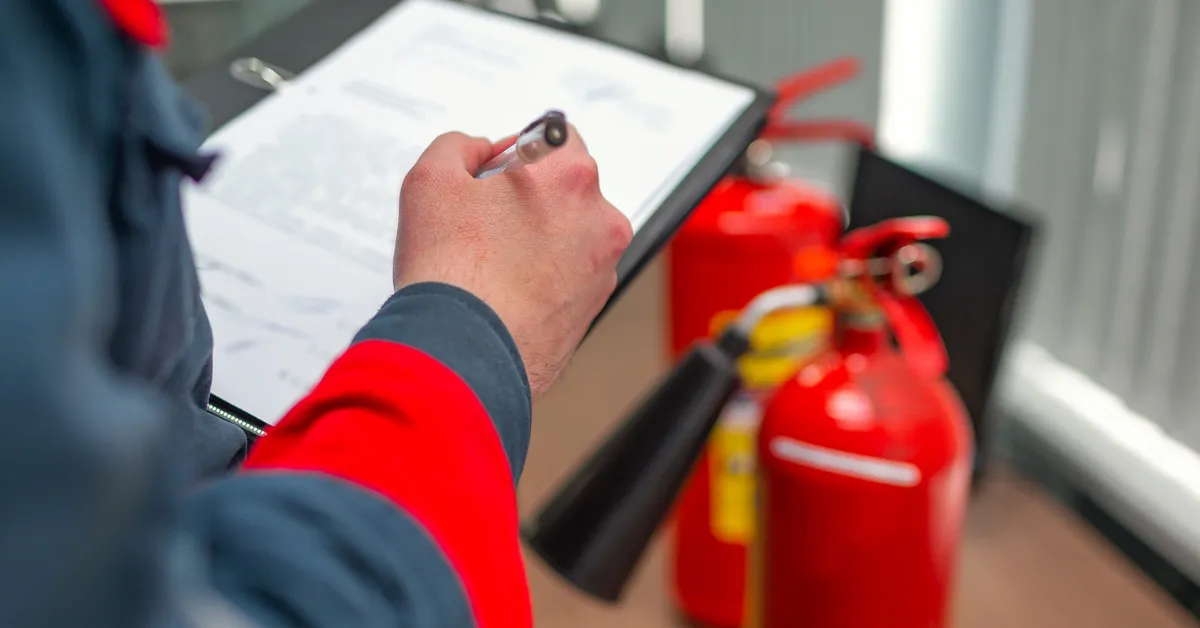
- Fire extinguishers
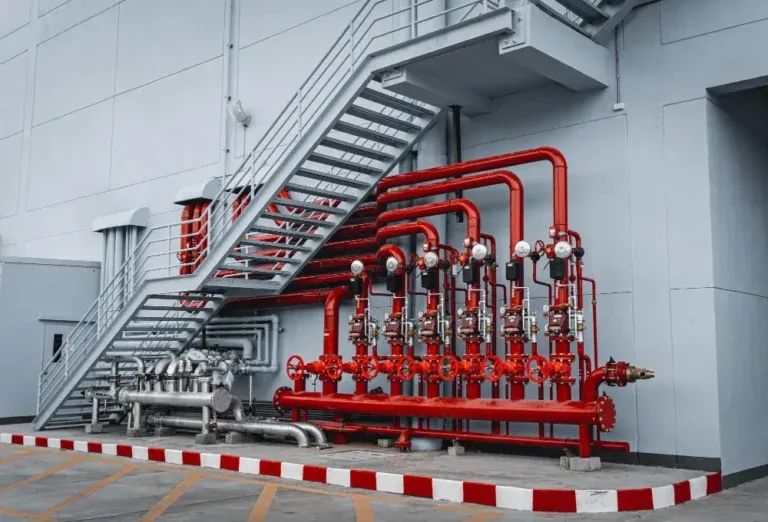
- Fire hydrant systems
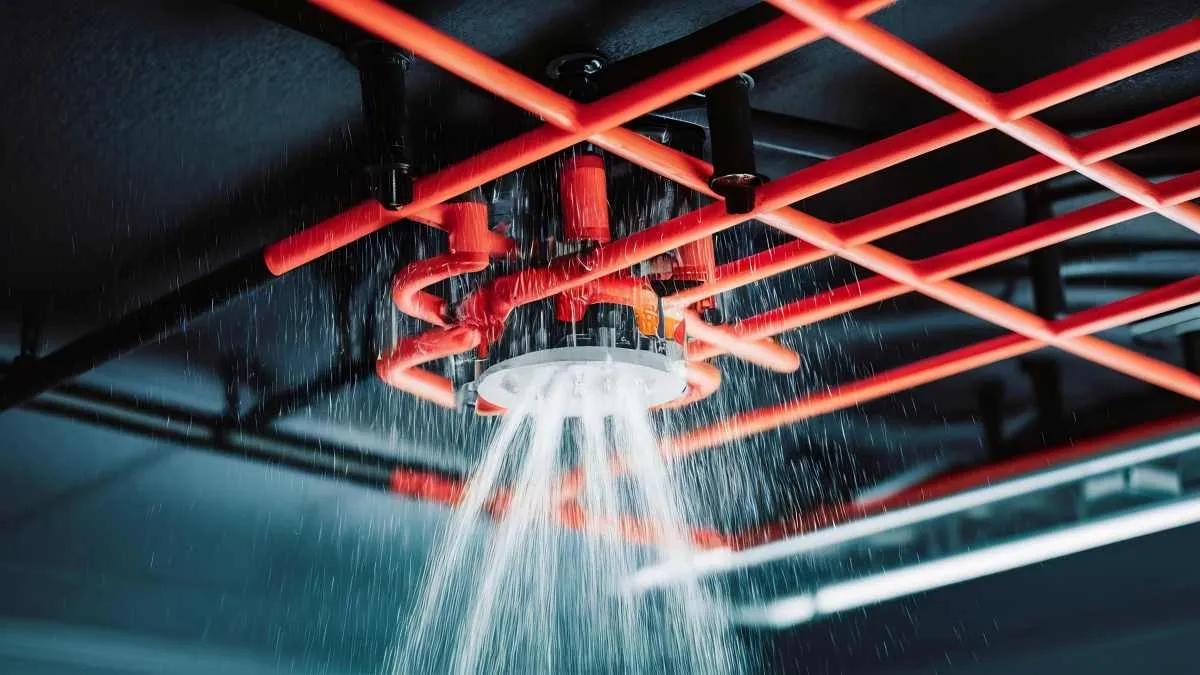
- Fire sprinkler systems
- Emergency exit routes
- Electrical installations
- Fire detection systems
- Evacuation plans and safety procedures
The purpose of the audit is to detect fire risks and recommend improvements that can prevent accidents.
Why Fire Hazards Occur in Buildings?
Fire hazards can arise from various sources. Many building owners assume that installing fire equipment is enough, but without regular inspection and maintenance, these systems may fail during emergencies.
Some common causes of fire hazards include:
1. Faulty Electrical Systems
Old wiring, overloaded circuits, and damaged electrical components are major causes of fires in buildings.
2. Poor Maintenance of Fire Equipment
Fire extinguishers, alarms, and sprinklers may not work properly if they are not inspected regularly.
3. Blocked Emergency Exits
Emergency exits must remain clear at all times. Obstructions during emergencies can delay evacuation.
4. Improper Storage of Flammable Materials
Industries and warehouses often store flammable materials that require special safety measures.
5. Lack of Fire Safety Awareness
Employees and residents may not know how to respond during a fire emergency.
A Fire Audit identifies these risks and ensures that the building follows proper safety procedures.
How a Fire Audit Helps Prevent Fire Hazards
A professional Fire Audit plays a key role in improving building safety. It helps identify risks early and provides solutions before they turn into serious problems.
1. Identifies Potential Fire Risks
One of the main benefits of a Fire Audit is that it helps detect hidden fire hazards. Experts inspect electrical systems, storage areas, machinery, and fire equipment to identify possible dangers.
Once the risks are identified, building owners can take corrective actions to reduce fire chances.
2. Ensures Proper Functioning of Fire Safety Systems
Fire safety equipment must work properly during emergencies. A Fire Audit checks whether all systems are functional and properly maintained.
This includes checking:
- Fire alarms
- Smoke detectors
- Sprinkler systems
- Fire extinguishers
- Hydrant systems
If any equipment is faulty or outdated, the auditor recommends repair or replacement.
3. Improves Emergency Preparedness
During a fire emergency, quick response and proper evacuation can save lives. A Fire Audit evaluates the building’s emergency preparedness.
Auditors check:
- Evacuation plans
- Exit routes
- Emergency lighting
- Assembly points
- Staff training
They also recommend improvements to ensure that everyone knows what to do during an emergency.
4. Ensures Compliance with Fire Safety Regulations
Most countries and local authorities require buildings to follow fire safety rules and regulations. Failing to comply with these laws can result in penalties, legal issues, or even closure of the facility.
A Fire Audit ensures that the building meets all required fire safety standards. It helps organizations stay compliant with safety regulations and avoid legal problems.
5. Protects Lives and Property
The most important purpose of a Fire Audit is to protect human life. Fire accidents can cause severe injuries, fatalities, and huge property losses.
By identifying hazards and improving safety systems, a Fire Audit significantly reduces the chances of fire incidents and helps protect people and assets.
6. Improves Workplace Safety Culture
Regular Fire Audits encourage organizations to take fire safety seriously. Employees become more aware of safety practices and learn how to handle emergencies.
This creates a strong safety culture where everyone plays a role in preventing fire accidents.
Key Components Checked During a Fire Audit
A professional Fire Audit covers several important aspects of fire safety in buildings.
Fire Detection Systems
Auditors inspect smoke detectors, heat detectors, and alarm systems to ensure they are functioning correctly.
Fire Fighting Equipment
All fire extinguishers, hydrants, and sprinklers are checked for proper installation and working condition.
Electrical Safety
Electrical panels, wiring, and circuits are examined to identify overheating, overloading, or damaged components.
Emergency Exits
Exit doors, staircases, and evacuation routes are checked to ensure they are clear and accessible.
Fire Safety Signage
Proper safety signs help people locate emergency exits and fire equipment quickly during emergencies.
Fire Safety Documentation
Auditors also review safety manuals, maintenance records, and training programs.
How Often Should a Fire Audit Be Conducted?
Experts recommend conducting a Fire Audit at least once every year. However, high-risk facilities such as factories, hospitals, and large commercial buildings may require more frequent inspections.
Regular audits help ensure that fire safety systems remain effective and updated according to the latest safety standards.
Benefits of Hiring Professional Fire Audit Services
Hiring professional fire safety experts for a Fire Audit provides many advantages.
Accurate Risk Assessment
Professionals have the knowledge and experience to identify fire hazards that may be overlooked by untrained individuals.
Expert Recommendations
They provide practical solutions to improve fire safety systems and procedures.
Compliance with Regulations
Professional auditors understand local fire safety laws and help organizations meet regulatory requirements.
Long-Term Safety Planning
A professional audit helps businesses develop a long-term fire safety strategy.
Role of Elixir in Fire Safety Solutions
When it comes to reliable fire safety services, Elixir Engineering offers comprehensive solutions for businesses and buildings. Their team specializes in Fire Audit, fire protection system installation, and fire safety consulting.
Elixir helps organizations identify fire hazards, improve safety systems, and comply with fire safety standards. With expert guidance and advanced safety solutions, they ensure that buildings remain protected against fire risks.
Tips to Improve Fire Safety in Buildings
Apart from conducting regular Fire Audits, building owners should also follow these safety practices:
- Install proper fire detection systems
- Maintain fire extinguishers regularly
- Keep emergency exits clear
- Conduct fire drills for occupants and employees
- Train staff on fire safety procedures
- Avoid overloading electrical systems
- Store flammable materials safely
These steps can significantly reduce fire risks in buildings.
Frequently Asked Questions
1. What is a Fire Audit?
A Fire Audit is a detailed inspection of a building’s fire safety systems, equipment, and procedures to identify potential fire hazards and ensure compliance with safety standards.
2. Why is a Fire Audit important for buildings?
A Fire Audit helps detect fire risks, improve emergency preparedness, ensure proper functioning of fire safety equipment, and protect lives and property.
3. How often should a Fire Audit be conducted?
Most experts recommend conducting a Fire Audit once a year. High-risk facilities may require more frequent audits.
4. Who should perform a Fire Audit?
A Fire Audit should be conducted by trained fire safety professionals or certified fire protection companies with expertise in safety inspections.
5. What systems are checked during a Fire Audit?
A Fire Audit typically checks fire alarms, smoke detectors, fire extinguishers, hydrant systems, sprinkler systems, electrical installations, emergency exits, and evacuation plans.
6. Can a Fire Audit help reduce fire accidents?
Yes, a Fire Audit identifies potential hazards and recommends safety improvements, which significantly reduces the chances of fire accidents.


















Sign in to leave a comment.