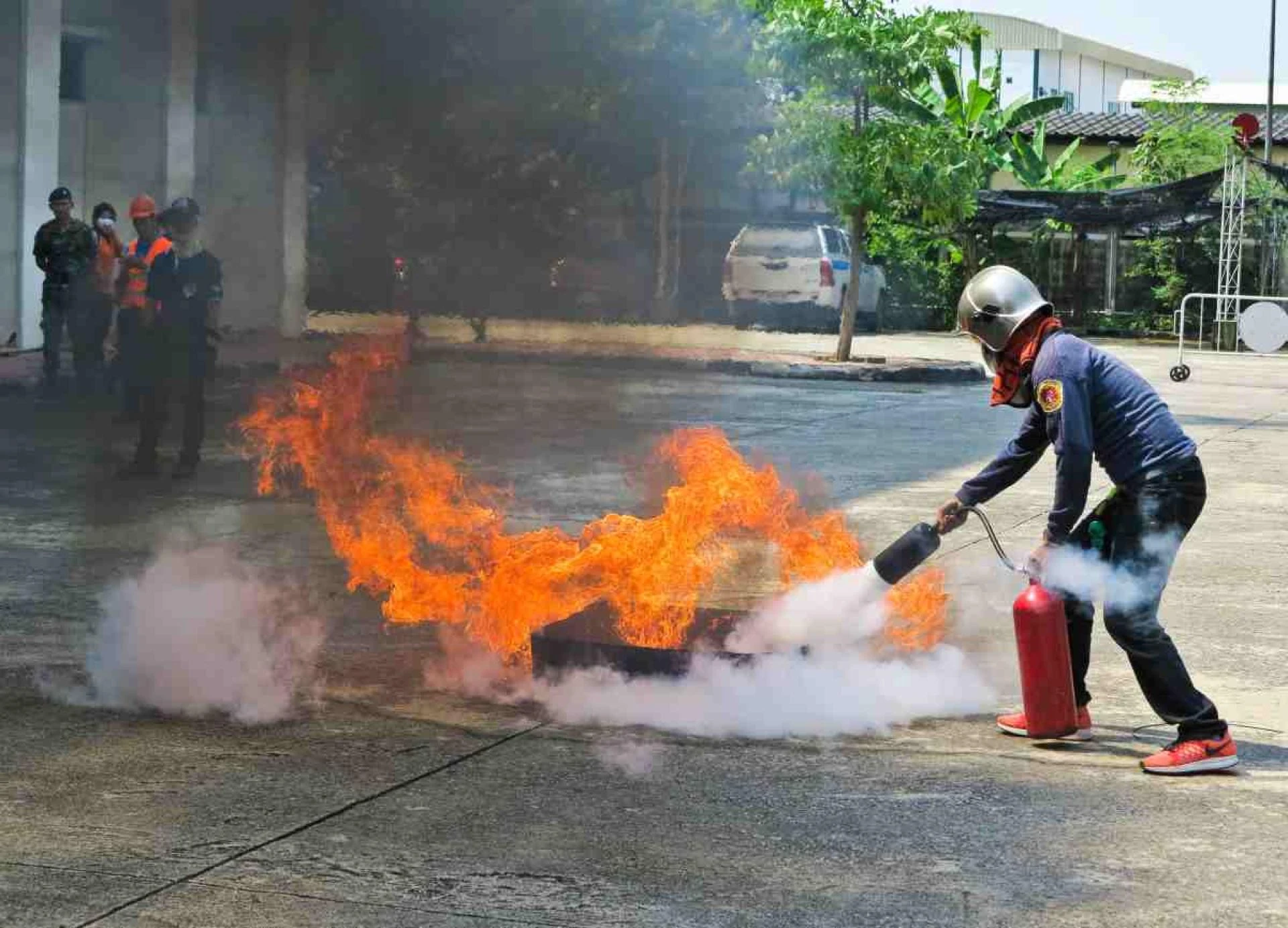

A Fire Hydrant System is a critical part of modern fire safety planning. Designed to deliver large volumes of water quickly, it gives firefighters the ability to control and extinguish fires efficiently in buildings, industrial facilities, and open areas. This system plays a vital role in saving lives and protecting property by ensuring that a high-pressure water supply is always available in case of a fire emergency.
What Is a Fire Hydrant System?
A fire hydrant system is an active firefighting network consisting of pipes, pumps, valves, hydrants, and hoses connected to a reliable water source. When a fire breaks out, firefighters connect hoses to hydrant outlets and access high-pressure water to fight flames effectively. These systems can be installed both inside buildings and in open areas, depending on the type of risk and environment.
Why Fire Hydrant Systems Matter
Fire hydrant systems are essential because they:
- Provide Immediate Water Access: They ensure a steady and strong supply of water right where it’s needed.
- Support Fire Brigade Efforts: Firefighters use hydrants to quickly connect hoses and start suppressing fires.
- Reduce Fire Damage: Quick access to water slows down the spread of fire, protecting people and assets.
- Meet Regulatory Standards: Many building codes require hydrant systems as part of fire safety compliance.
Main Components of a Fire Hydrant System
To work effectively, a fire hydrant system includes several important parts:
- Water Supply Source: This could be a municipal line, dedicated reservoir, or fire water tank.
- Pumping Unit: Pumps maintain high pressure and deliver water rapidly to hydrant outlets.
- Hydrant Outlets: These are the connection points where hoses are attached for firefighting.
- Piping Network: A network of pipes carries water from the source to each hydrant.
- Valves: Control valves manage and isolate water flow for maintenance and during emergencies.
- Hoses and Nozzles: Firefighters use these tools to direct water onto the fire.
These components work together to ensure the system is always ready to deliver water when a fire occurs.
Types of Fire Hydrant Systems
There are several types of fire hydrant systems, each suited to different conditions and requirements.
1. Wet Hydrant System
Overview: In a wet hydrant system, water stays in the hydrant and pipes at all times, ready for immediate use.
Best For:
- Urban areas with reliable water supply.
- Warm climates where freezing is not a concern.
Pros:
- Immediate access to water.
- Easier to maintain.
Cons:
- Not ideal in freezing temperatures, as pipes may freeze.
2. Dry Hydrant System
Overview: This system doesn’t store water in the hydrant or pipes. Instead, water is drawn from a nearby external source like a pond, tank, or river when needed.
Best For:
- Rural or remote areas without a municipal water supply.
- Cold climates where freezing could be a problem.
Pros:
- Works even where water supply is limited.
- Less risk of freezing in pipes.
Cons:
- Requires an external water source.
- Installation can be more complex.
3. Underwater Hydrant System
Overview: These systems are installed directly in bodies of water like lakes and reservoirs. Submerged valves allow firefighters to draw water directly when needed.
Best For: Waterfront properties and certain industrial sites.
Challenges:
- Higher installation costs and complexity.
4. Deluge Fire Hydrant System
Overview: A powerful and high-capacity system designed to deliver large volumes of water instantly.
Best For:
- High-risk environments like chemical plants and oil refineries.
- Large commercial buildings with severe fire hazards.
Pros:
- Delivers a large water flow instantly.
Cons:
- Expensive to install and maintain.
Tips for Choosing the Right System
When selecting a fire hydrant system for a property, consider:
- Climate: Cold regions may need dry hydrant systems to avoid pipe freezing.
- Water Supply: A consistent municipal supply may allow for a wet system; otherwise, external sources may be needed.
- Building Size & Risk Level: Large, high-risk facilities might require advanced systems like deluge hydrants.
- Maintenance Needs: Regular upkeep ensures the hydrant system works when it matters most.
How It Works in an Emergency
When a fire alarm is triggered or a fire is spotted, the fire hydrant system springs into action:
- Firefighters open the hydrant valve.
- Pressurized water flows through the pipes to the hydrant outlet.
- Hoses are connected, and water is directed at the fire.
- Pumps maintain high pressure throughout the operation.
This quick and reliable delivery of water is key to controlling and extinguishing fires before they spread.
Frequently Asked Questions
1. How often should a fire hydrant system be tested?
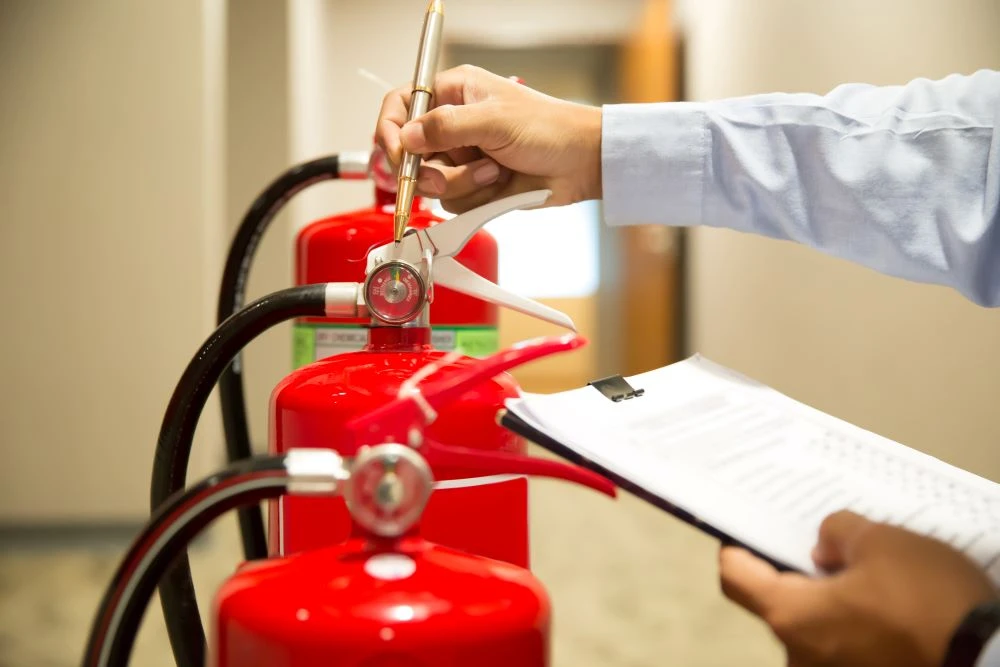
A fire hydrant system should be inspected and tested regularly—usually at least once every six months—to ensure it is ready for emergencies. Regular checks help identify leaks, pressure issues, and mechanical wear before they become failures.
2. Can a fire hydrant system work without firefighters?
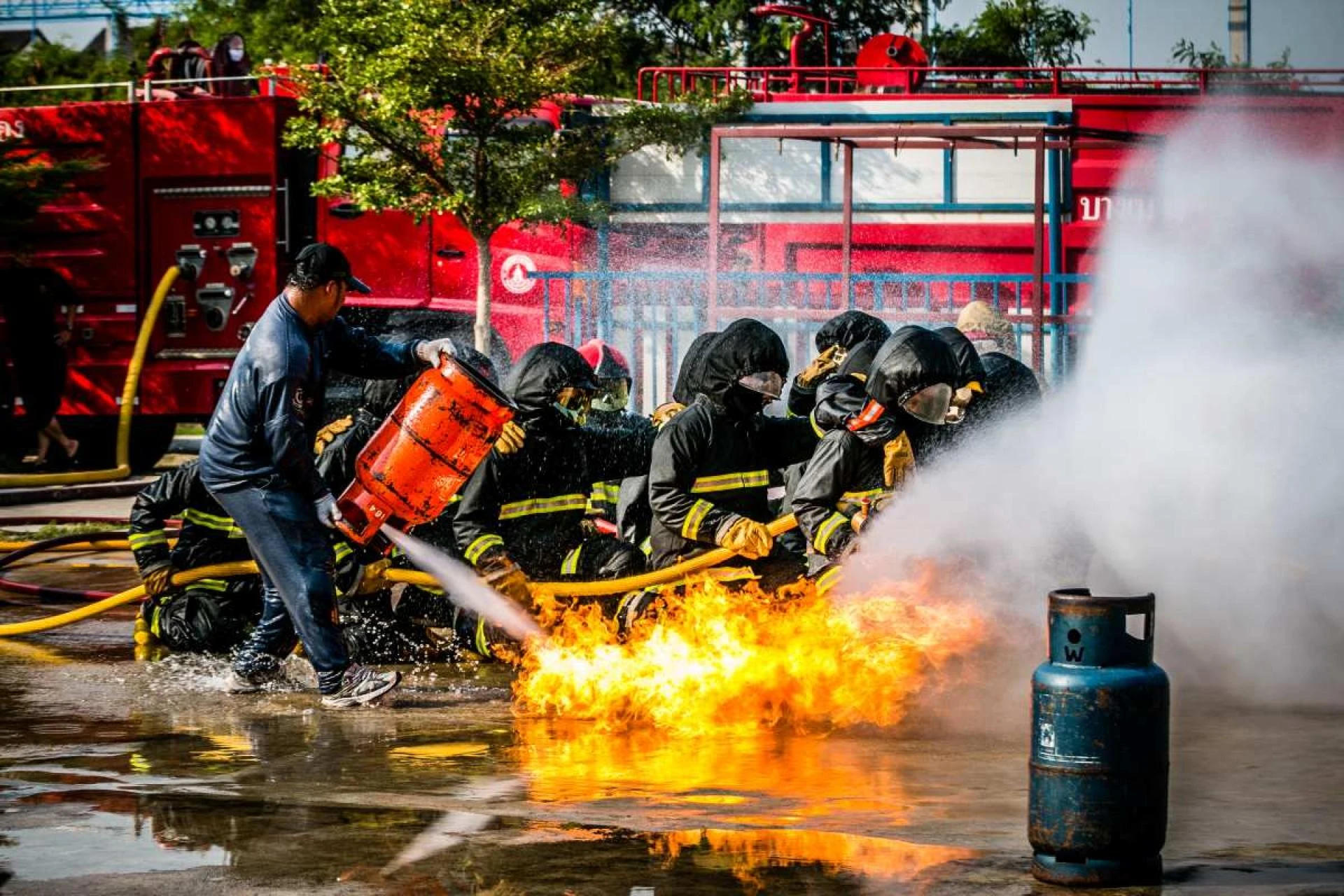
While the system supplies water, trained firefighters or trained personnel are typically needed to operate hoses and manage the firefighting efforts safely.
3. Does every building need a fire hydrant system?
Not all buildings do—but many commercial, industrial, and large residential complexes are required by building codes to install hydrant systems to protect occupants and property.
4. What happens if the water supply fails?
Hydrant systems often include backup water storage and pump systems to ensure water pressure remains even if the main supply is interrupted.
5. Are fire hydrants only useful for firefighting?
Primarily yes, but hydrants can support fire drills, training, and safety planning exercises, helping teams stay prepared for actual emergencies.



















Sign in to leave a comment.