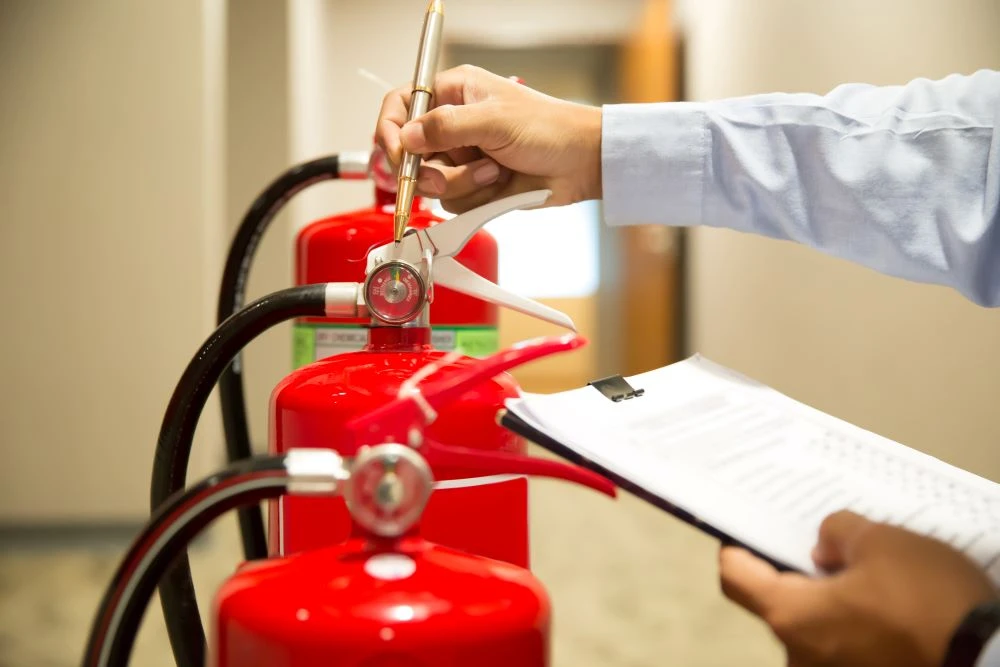

Fire safety is not just a legal requirement—it is a responsibility. Commercial and industrial buildings face higher fire risks due to electrical equipment, machinery, storage materials, and human movement. A Fire Audit helps identify fire hazards, checks safety systems, and ensures compliance with fire safety rules.
A well-planned fire audit can save lives, protect assets, and prevent heavy penalties. In this blog, we will explain what a fire audit is, why it is important, and provide a detailed fire audit checklist for commercial and industrial buildings.
What Is a Fire Audit?
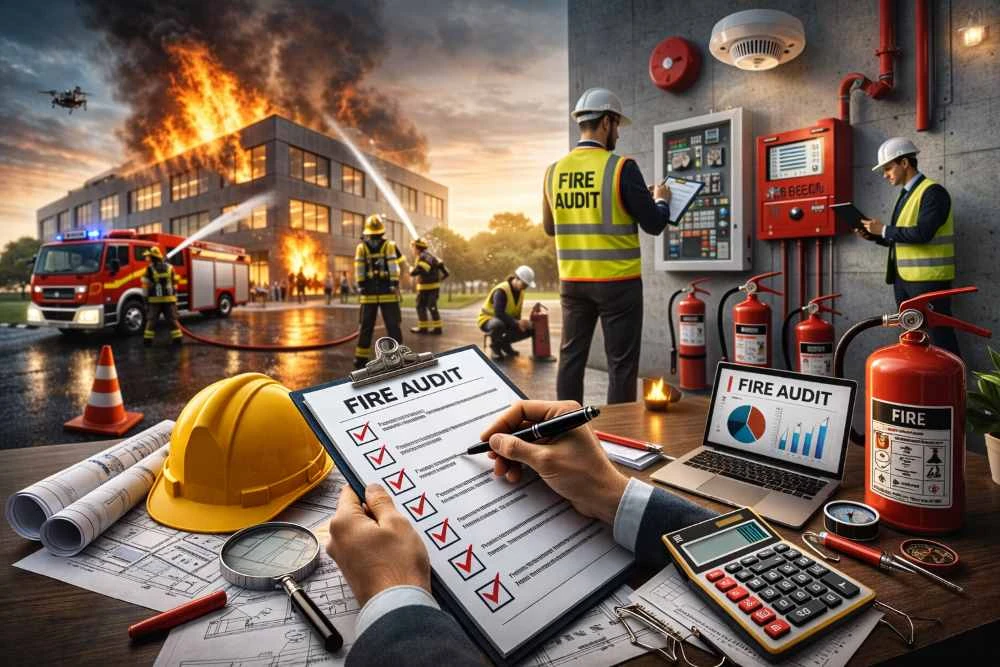
A Fire Audit is a systematic inspection of a building to assess fire risks and fire safety measures. It evaluates whether fire prevention systems, firefighting equipment, evacuation plans, and emergency procedures are in place and working properly.
The audit also checks compliance with local fire safety norms, building codes, and industrial safety standards. Based on the findings, a detailed report is prepared with recommendations for improvement.
Why Fire Audit Is Important for Commercial and Industrial Buildings
Commercial and industrial buildings handle valuable assets, machinery, raw materials, and large numbers of people. A small fire incident can lead to massive losses.
Key reasons why a fire audit is essential:
- Identifies potential fire hazards before an accident occurs
- Ensures compliance with fire safety laws and regulations
- Reduces risk of business interruption
- Improves employee safety and awareness
- Helps avoid legal penalties and insurance issues
Regular fire audits are especially important for factories, warehouses, offices, malls, hospitals, hotels, and IT parks.
Fire Audit Checklist for Buildings
Below is a practical and easy-to-understand Fire Audit Checklist that covers all critical areas of commercial and industrial premises.
1. Building Design and Fire Safety Layout
The first step of a fire audit is reviewing the building’s design and layout.
Checklist points:
- Fire safety plans approved by the fire department
- Adequate fire exits on every floor
- Exit routes clearly marked and obstruction-free
- Fire compartmentation as per safety norms
- Fire-resistant doors and walls where required
Proper design plays a major role in safe evacuation during emergencies.
2. Fire Detection and Alarm Systems
Early detection can prevent fire from spreading.
Checklist points:
- Smoke detectors installed in all required areas
- Heat detectors in high-risk zones
- Manual call points easily accessible
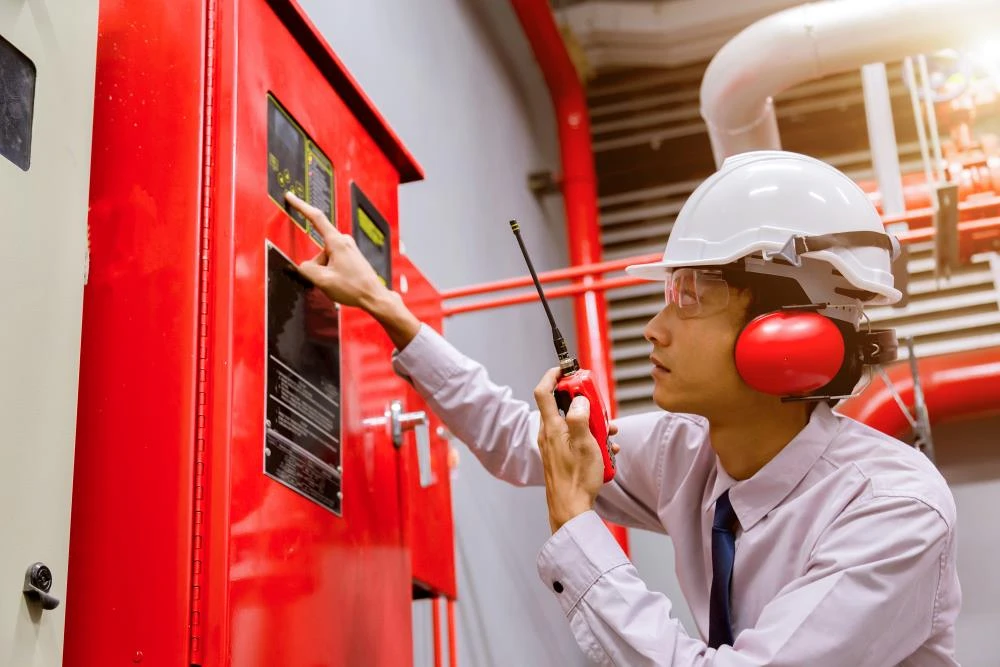
- Fire alarm system working properly
- Audible alarms clearly heard across the building
- Alarm panel properly labeled and monitored
Regular testing and maintenance of alarm systems is mandatory.
3. Firefighting Equipment and Systems
This is one of the most important sections of a Fire Audit.
Checklist points:
- Fire extinguishers of correct type and capacity
- Extinguishers placed at visible and accessible locations
- Pressure gauges within safe limits
- Fire hose reels installed and operational
- Hydrant system working with proper water pressure
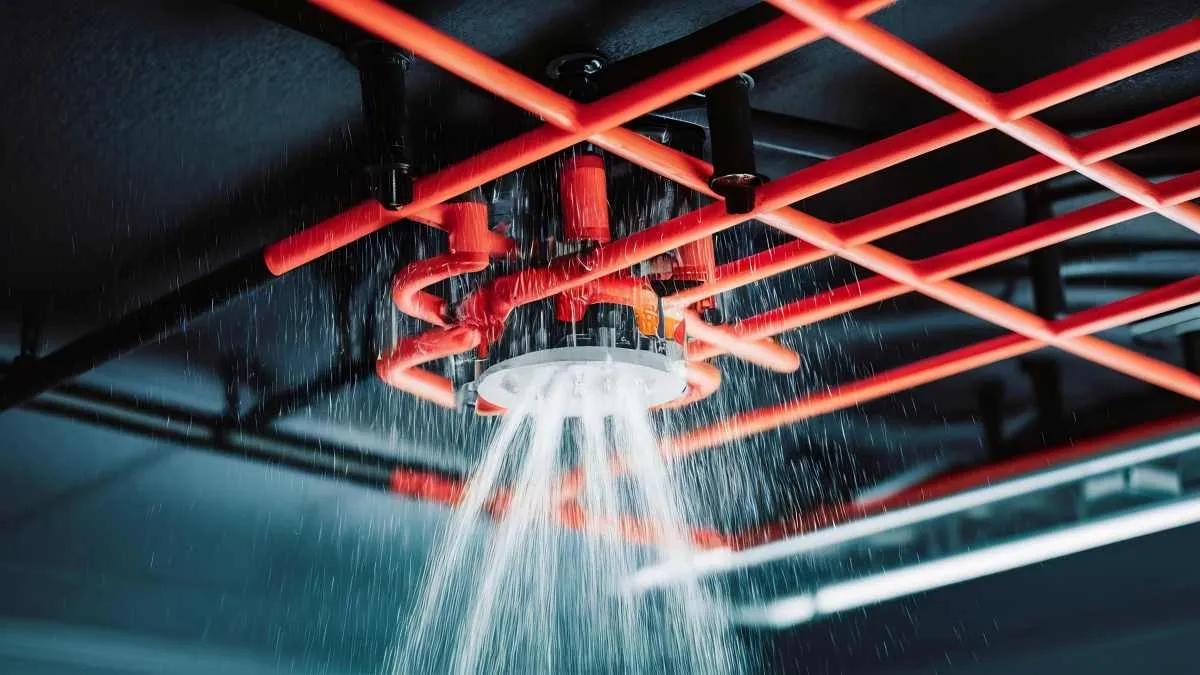
- Sprinkler system installed and tested
- Fire pumps (main, jockey, diesel) functioning properly
Expired or damaged equipment must be replaced immediately.
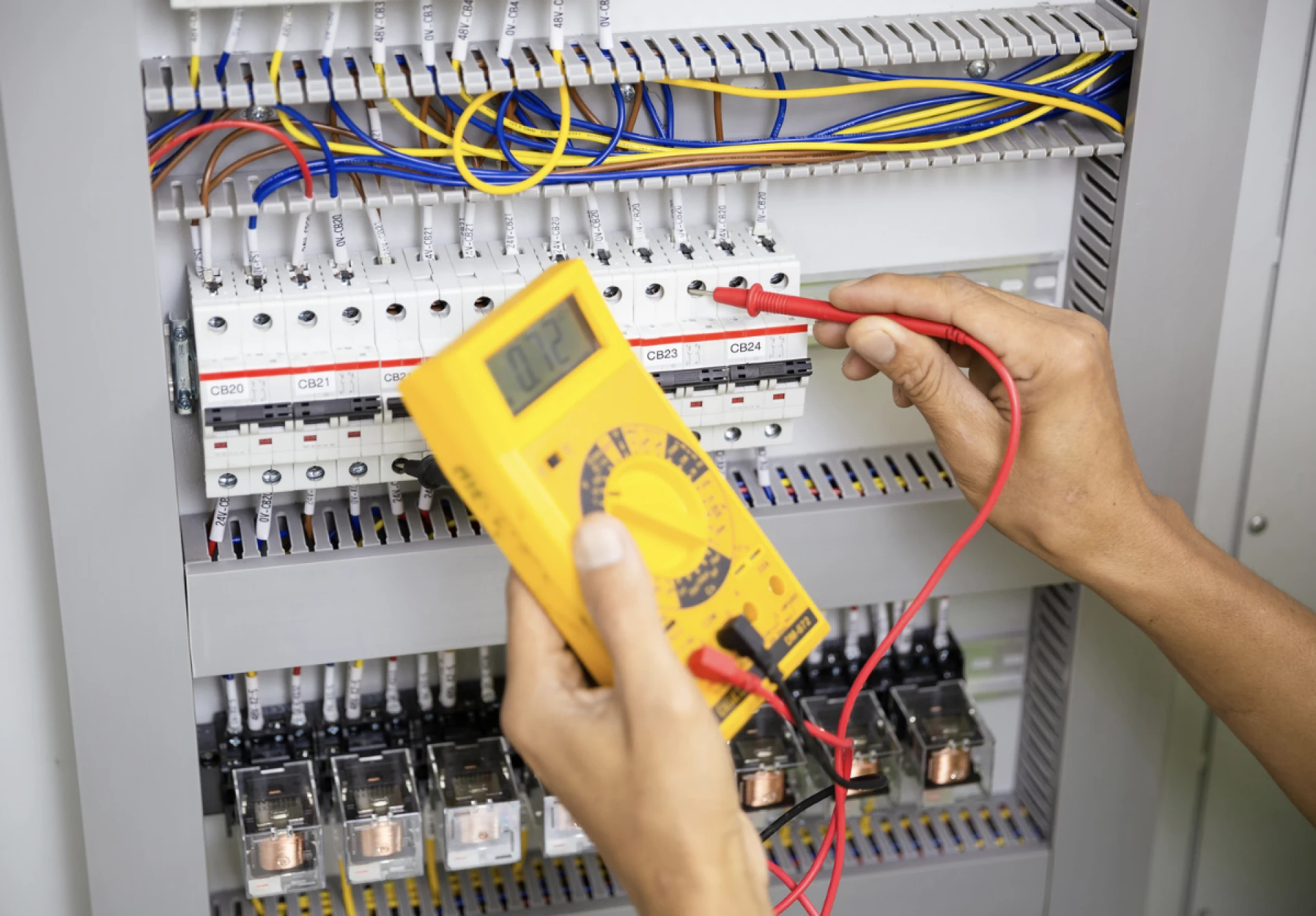
4. Electrical Safety and Fire Risks
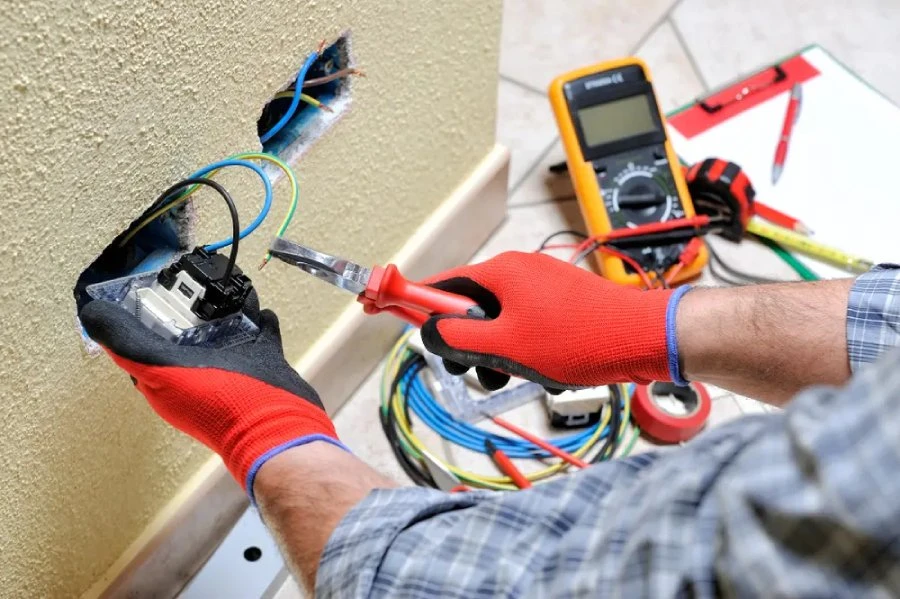
Electrical faults are a common cause of fires in commercial and industrial buildings.
Checklist points:
- Electrical panels properly labeled
- No loose or exposed wiring
- Use of certified electrical components
- Overloading avoided in sockets and circuits
- Earthing system properly maintained
- Regular thermal scanning of panels
Preventive electrical maintenance significantly reduces fire risk.
5. Storage and Handling of Materials
Improper storage can increase fire hazards.
Checklist points:
- Flammable materials stored separately
- Proper ventilation in storage areas
- Safe distance between storage racks
- No blocking of fire exits or equipment
- Safety data sheets available for hazardous materials
- Controlled access to high-risk storage zones
Industrial buildings must strictly follow material safety norms.
6. Emergency Exits and Evacuation Routes
During a fire emergency, safe evacuation is critical.
Checklist points:
- Emergency exits clearly marked with signage
- Exit doors opening in the direction of escape
- Staircases free from obstruction
- Emergency lighting available and functional
- Assembly points clearly identified
- Evacuation maps displayed on each floor
Clear evacuation planning saves lives during panic situations.
7. Fire Safety Signage and Communication
Proper communication ensures quick action during emergencies.
Checklist points:
- Fire safety signs visible and readable
- Instructions displayed near fire equipment
- Emergency contact numbers clearly displayed
- Public address system working properly
- Floor wardens or fire marshals assigned
Signage should be in simple language and understood by all occupants.
8. Training, Drills, and Awareness
Fire safety systems are useless if people don’t know how to use them.
Checklist points:
- Regular fire safety training for staff
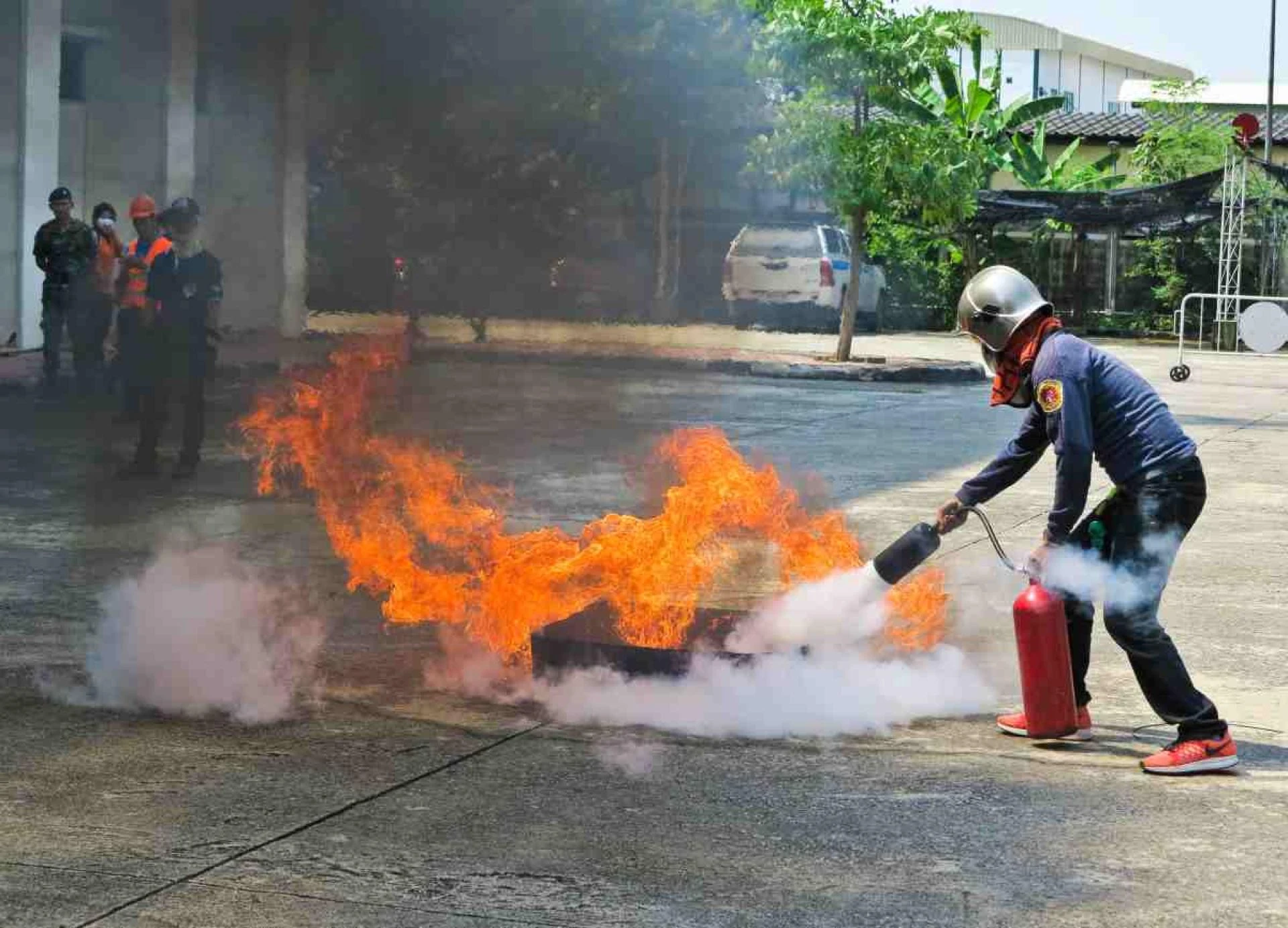
- Mock fire drills conducted periodically
- Fire extinguisher usage training
- Emergency roles assigned to employees
- Attendance and records maintained
Training builds confidence and reduces panic during real emergencies.
9. Documentation and Compliance Records
Documentation is a key part of any Fire Audit.
Checklist points:
- Fire NOC (No Objection Certificate) available
- Equipment maintenance records updated
- Fire drill reports maintained
- Audit reports and corrective action records
- Insurance fire safety compliance documents
Proper records help during inspections and audits by authorities.
10. Overall Risk Assessment and Recommendations
The final stage of a fire audit includes risk evaluation.
Checklist points:
- Identification of high-risk areas
- Evaluation of existing safety measures
- Gaps and non-compliance highlighted
- Practical recommendations provided
- Timeline suggested for corrective actions
This step helps management plan improvements effectively.
How Often Should a Fire Audit Be Conducted?
For most commercial and industrial buildings, a Fire Audit should be conducted at least once a year. High-risk facilities such as factories, chemical plants, and warehouses may require more frequent audits.
Regular audits ensure continuous compliance and safety.
Choosing the Right Fire Audit Partner
A professional fire audit company ensures accurate inspection and practical solutions. Experienced auditors understand local fire safety norms and industry-specific risks.
If you are looking for reliable fire audit services, you can consult expert fire safety auditors in Mumbai and Pune through Elixir
Professional audits help you stay compliant and prepared.
Frequently Asked Question
What is the main purpose of a Fire Audit?
The main purpose of a fire audit is to identify fire hazards, check safety systems, and ensure compliance with fire safety laws to protect life and property.
Is Fire Audit mandatory for commercial buildings?
Yes, in most cities and industrial zones, a fire audit is mandatory for commercial and industrial buildings as per fire safety regulations.
Who can conduct a Fire Audit?
A certified and experienced fire safety auditor or fire protection company should conduct a professional fire audit.
How long does a Fire Audit take?
The duration depends on building size and complexity. It can take a few hours for small buildings and several days for large industrial facilities.
What happens after a Fire Audit?
After the audit, a detailed report is shared with observations, risks, and recommendations. Corrective actions should be implemented within the suggested timeline.
Can a Fire Audit reduce insurance risks?
Yes, a proper fire audit helps meet insurance safety requirements and may reduce claim issues and premium risks.


















Sign in to leave a comment.