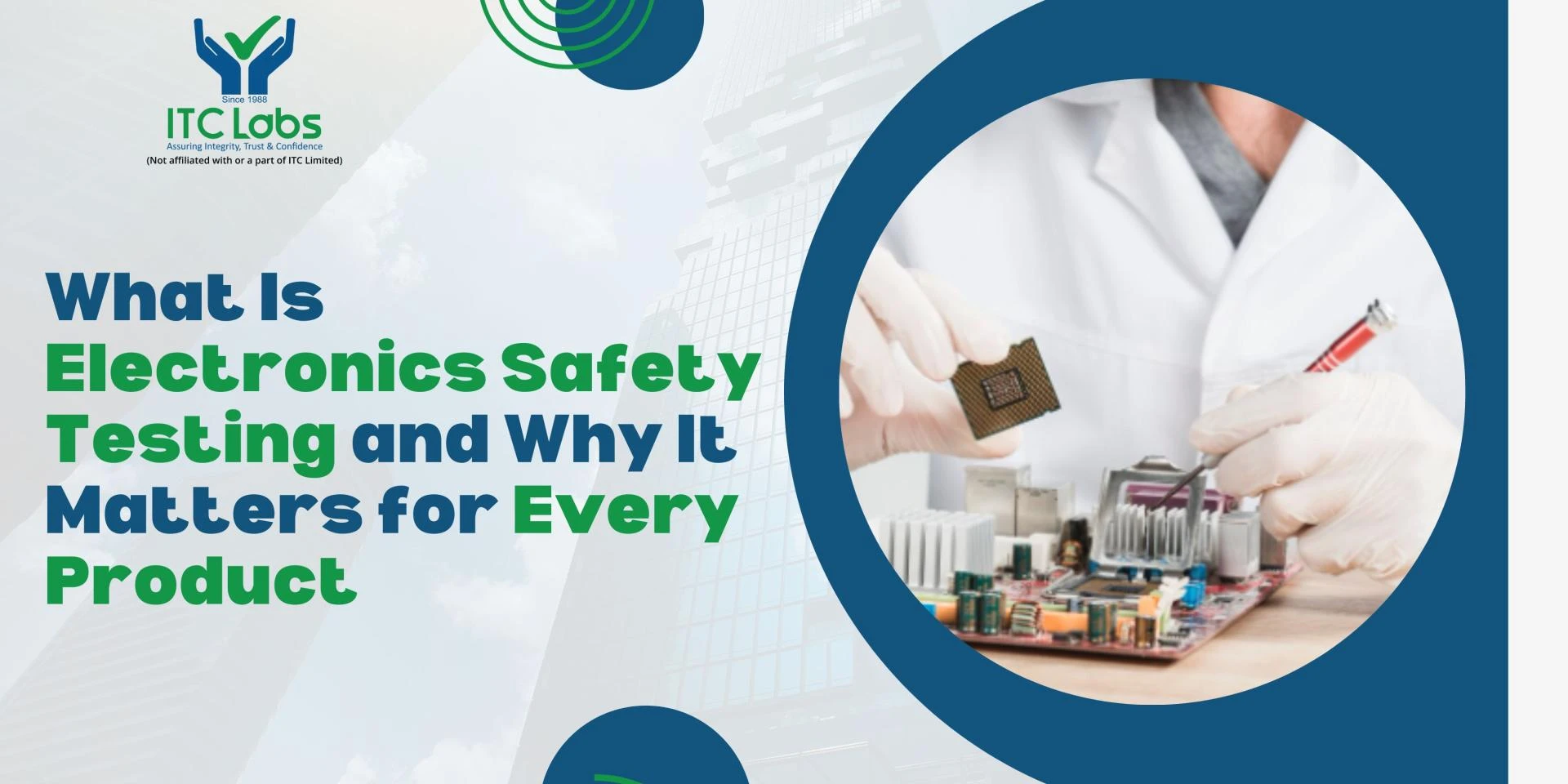
In the fast-paced world of modern technology, electronics form the backbone of almost every industry. From smartphones and home appliances to industrial machinery and medical devices, electronic systems power our daily lives. However, as dependence on these devices increases, so does the importance of ensuring they are safe, reliable, and compliant with relevant standards. This is where electronics safety testing becomes crucial.
Electronics safety testing is not just a formality; it is a vital process that ensures products meet safety regulations, perform reliably, and do not pose any risk to consumers or the environment. Alongside electrical compliance testing and electronics testing services, manufacturers depend on NABL accredited labs in India to verify and certify that their products meet strict safety and performance standards.
What Is Electronics Safety Testing?
Electronics safety testing is a process that evaluates an electrical or electronic product to ensure it is safe for use under normal and fault conditions. The goal is to identify and eliminate potential hazards such as electrical shock, overheating, short circuits, and fire risks. Safety testing ensures that all components—whether mechanical, electrical, or chemical—are safe and compliant with regulatory requirements.
Some of the key risks that safety testing addresses include:
- Electric shock hazards – Preventing unsafe current flow through accessible parts.
- Thermal hazards – Ensuring components don’t overheat or cause burns.
- Fire hazards – Testing for insulation breakdown and material flammability.
- Mechanical hazards – Assessing risks from moving parts, vibration, or instability.
- Electromagnetic interference (EMI) – Ensuring electronic devices don’t interfere with other equipment.
- Environmental exposure – Testing against dust, moisture, vibration, and temperature changes.
Through these assessments, manufacturers gain confidence that their products will function safely throughout their lifecycle.
The Role of Electrical Compliance Testing
Electrical compliance testing forms an essential part of the broader electronics safety framework. It ensures that a device meets all applicable electrical safety regulations and standards before entering the market. Compliance testing examines insulation resistance, grounding, current leakage, and overcurrent protection to ensure electrical systems are safe.
Electrical compliance testing typically includes:
- Dielectric Strength Tests (Hi-Pot Tests) – Verifies insulation quality.
- Leakage Current Tests – Ensures user safety under normal operation.
- Earth Continuity Tests – Confirms the integrity of protective grounding.
- Temperature Rise Tests – Checks that devices do not overheat during operation.
- Overload and Short-Circuit Tests – Simulates real-world faults to assess resilience.
By conducting electrical compliance testing early in the product development phase, manufacturers can prevent costly redesigns and ensure smooth certification processes later.
Why Electronics Safety Testing Matters for Every Product
- Ensures Consumer Safety
- The primary objective of electronics safety testing is to protect users from injury or harm. Faulty electrical components can cause electric shock, fires, or equipment failure. Safety testing identifies potential hazards before the product reaches consumers.
- Legal and Regulatory Compliance
- In India and across global markets, regulatory bodies mandate compliance with specific safety standards. Manufacturers must demonstrate that their products meet these standards through testing conducted in NABL accredited labs in India.
- Product Reliability and Quality
- A safe product is a reliable product. Regular testing ensures consistent quality across production batches, which in turn reduces warranty claims, customer complaints, and product recalls.
- Brand Trust and Reputation
- Companies that invest in robust electronics testing services signal a commitment to consumer safety and product excellence. This enhances their credibility in competitive markets.
- Market Access and Export Readiness
- Meeting international testing standards allows Indian manufacturers to export their products globally. Compliance with IEC, ISO, and BIS standards opens doors to new markets.
- Cost and Risk Reduction
- Early detection of design flaws through testing saves companies from expensive post-market fixes or recalls. Preventing a safety incident is always cheaper than dealing with its consequences.
The Electronics Safety Testing Process
The typical process of electronics safety testing involves several stages:
- Product Design Review
- The lab reviews the product design to identify potential safety issues such as poor insulation, inadequate spacing, or substandard materials.
- Prototype Evaluation
- Engineers perform initial tests on prototypes to assess electrical and mechanical safety. Any issues found are addressed before mass production.
- Electrical Compliance Testing
- As discussed, this includes insulation, grounding, and current leakage tests to ensure electrical integrity.
- Mechanical and Environmental Tests
- The product undergoes vibration, drop, humidity, and temperature tests to simulate real-world conditions.
- Functional Safety Tests
- The system’s performance under normal and abnormal conditions is verified to ensure consistent operation without risk.
- Certification and Documentation
- After successful testing, the lab issues a detailed test report and certificate of compliance. This certification is often mandatory for product launches or exports.
- Periodic Surveillance
- Many manufacturers continue periodic testing to ensure ongoing compliance, especially when product designs or components change.
Why Choose NABL Accredited Labs in India
When it comes to electronics and electrical testing, it is essential to work with accredited laboratories. NABL accredited labs in India (National Accreditation Board for Testing and Calibration Laboratories) operate under ISO/IEC 17025 standards, ensuring reliability and international recognition.
Benefits of using NABL accredited labs include:
- Verified competence and technical expertise.
- Globally accepted test reports.
- Independent, unbiased testing results.
- Assurance of proper calibration and traceability.
- Faster testing cycles with professional support.
Partnering with a NABL accredited lab gives manufacturers the confidence that their testing results are valid, recognized, and compliant with both national and international standards.
Choosing the Best Testing Services in India
With numerous options available, selecting the best testing services in India can be challenging. Here’s what to look for when choosing the right partner for your safety testing needs:
- Accreditation and Certification – Always choose NABL accredited labs for assurance of quality and global acceptance.
- Technical Expertise – Look for labs with specialists in electronics, electrical, and analytical testing.
- Comprehensive Service Range – A good lab should offer end-to-end testing solutions, including electronics safety, EMC, environmental, and analytical testing.
- Modern Equipment – Advanced facilities with state-of-the-art instruments ensure precise and efficient testing.
- Turnaround Time – Timely reporting helps manufacturers meet product launch deadlines.
- Client Support – The best labs provide consultation and technical assistance throughout the testing and certification process.
Selecting the right partner ensures a smoother journey from prototype development to certified product launch.
The Role of Analytical Testing Labs
In addition to electronics and electrical testing, manufacturers often need support from an analytical testing lab. Analytical testing focuses on the physical, chemical, and material properties of components used in electronic products. It ensures that materials meet safety and environmental standards such as RoHS, REACH, and other global directives.
Analytical testing includes:
- Material Composition Analysis – Identifying metals, plastics, and chemical compounds.
- Toxic Substance Screening – Detecting hazardous substances like lead or mercury.
- Flammability Testing – Ensuring materials do not pose fire risks.
- Surface and Coating Analysis – Evaluating protective layers for corrosion and wear resistance.
- Battery and Energy Storage Testing – Assessing chemical stability and performance safety.
By combining electronics safety testing with analytical testing, manufacturers gain complete assurance of both electrical and material safety.
Importance of Integrating Testing Early in Product Design
One of the most common mistakes manufacturers make is delaying safety testing until the final product stage. Integrating electronics testing services early in the design and development process helps in:
- Identifying design flaws before tooling and mass production.
- Reducing time-to-market through faster approvals.
- Ensuring that the product design aligns with testing requirements.
- Saving costs associated with late-stage redesigns or failures.
Early testing integration ensures a smoother path toward certification and commercial success.
The Future of Electronics Safety Testing
With technological advancements such as electric vehicles, renewable energy systems, and smart devices, the demand for precise and efficient safety testing continues to grow. Artificial intelligence, automation, and digital testing solutions are transforming how laboratories conduct tests and deliver results.
India, with its growing ecosystem of NABL accredited labs, is emerging as a global hub for electronics and analytical testing services. This evolution supports the "Make in India" initiative by providing world-class testing infrastructure domestically.
Conclusion
In conclusion, electronics safety testing and electrical compliance testing are essential components of every product’s journey from concept to market. They ensure that products are safe, compliant, and reliable while helping manufacturers avoid costly failures and protect their brand reputation.
Choosing a qualified testing partner is equally important. For manufacturers seeking the best testing services in India, it is vital to work with NABL accredited labs in India that provide both electronics and analytical testing support under one roof.
When it comes to trusted testing expertise, ITC Labs stands out as the ideal partner. Renowned for its precision, professionalism, and comprehensive testing capabilities, ITC Labs is recognized as one of the best analytical testing labs in the country. With advanced facilities and a team of experts, ITC Labs ensures that your products meet the highest safety and quality standards—making it the perfect choice for all your electronics testing services needs.


































Sign in to leave a comment.