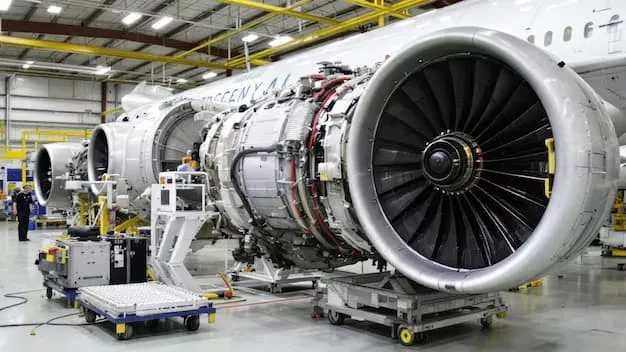

The aerospace industry continues to experience rapid transformation as new technologies, advanced materials, and intelligent systems reshape the future of aviation and space exploration. Modern aircraft are expected to deliver higher efficiency, improved safety, lower emissions, and enhanced operational capabilities in increasingly demanding environments. Engineering professionals are constantly developing innovative solutions that support these evolving industry requirements while maintaining strict quality and safety standards. The growing demand for advanced aviation technologies has increased the importance of research and innovation across the aerospace sector.
Today, aerospace aeronautical engineering plays a major role in shaping the future of commercial aviation, defense systems, unmanned aircraft, and space technologies. Engineering teams use advanced software, simulation tools, automation systems, and lightweight materials to improve aircraft performance and operational efficiency. These innovations allow organizations to design smarter and more reliable aerospace systems that meet modern industry expectations. As global aviation continues expanding, emerging engineering trends are influencing how aircraft are developed, manufactured, and maintained.
The aerospace sector is also adapting to environmental challenges, digital transformation, and the increasing demand for autonomous technologies. Engineering organizations are investing heavily in sustainable aviation solutions, artificial intelligence, and next generation propulsion systems to remain competitive within the global market. These advancements continue driving major changes in aerospace development and operational strategies. Emerging technologies are expected to define the future direction of aviation engineering for years to come.
The Rise of Digital Engineering Technologies
Advanced Simulation and Modeling
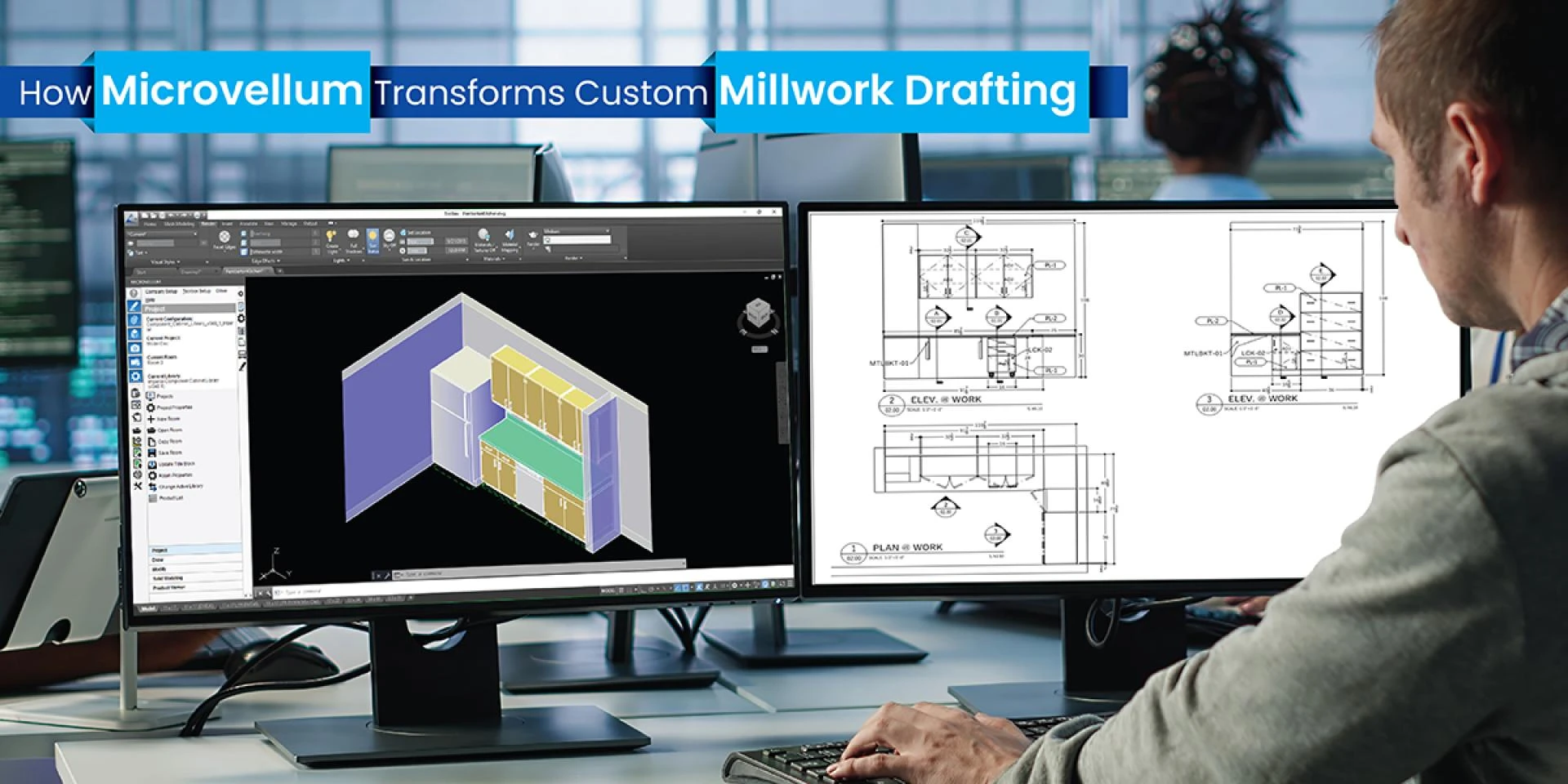
Digital engineering technologies have become essential within modern aerospace development because they improve design accuracy and reduce production risks. Engineers now rely on advanced simulation software to create detailed virtual aircraft models that replicate real world operating conditions. These simulations help analyze airflow, structural performance, fuel efficiency, and flight stability before physical manufacturing begins. Early testing within digital environments allows teams to identify problems quickly and improve overall engineering efficiency.
Simulation tools also reduce the need for repeated physical prototypes, helping organizations save time and lower development costs. Engineers can evaluate multiple design concepts and optimize aircraft performance through virtual analysis and testing. This approach improves productivity while supporting faster innovation across aerospace projects. The growing use of digital modeling technologies continues transforming the way modern aircraft are designed and developed.
Artificial Intelligence in Aerospace Engineering
Artificial intelligence is becoming increasingly important within aerospace engineering because it improves automation, operational analysis, and decision making capabilities. AI powered systems can process large amounts of engineering data quickly and identify performance patterns that may not be visible through traditional methods. These technologies help optimize aircraft designs, improve predictive maintenance, and enhance manufacturing efficiency across aerospace operations. Faster and more accurate data analysis supports better engineering outcomes.
Engineering teams also use artificial intelligence to improve autonomous flight systems and intelligent navigation technologies. AI driven software can assist with route optimization, environmental monitoring, and operational safety analysis during flight operations. As artificial intelligence technologies continue evolving, their influence on aerospace engineering is expected to grow significantly. AI integration is becoming a major trend within modern aviation innovation.
Sustainable Aviation Technologies
Development of Fuel Efficient Aircraft
Sustainability has become one of the most important priorities within the aerospace industry as organizations seek to reduce emissions and improve environmental performance. Aerospace engineers are developing fuel efficient aircraft designs that use advanced aerodynamics, lightweight materials, and improved propulsion systems. These innovations help reduce fuel consumption while maintaining high levels of operational performance and safety. Efficient aircraft designs also contribute to lower operating costs for airlines and aviation operators.
Modern engineering teams continue researching ways to improve airflow efficiency and reduce aerodynamic drag during flight operations. Improved wing structures, optimized fuselage designs, and lighter aircraft components all support better fuel economy. These advancements are helping the aviation industry move toward cleaner and more sustainable transportation solutions. Sustainability driven innovation remains a major focus in aerospace development.
Electric and Hybrid Propulsion Systems
Electric and hybrid propulsion technologies are emerging as important solutions for reducing environmental impact within aviation. Engineers are exploring alternative power systems that reduce dependence on traditional fossil fuels while improving energy efficiency. Electric propulsion systems offer the potential for quieter operations, lower emissions, and reduced maintenance requirements compared to conventional engines. These technologies are expected to influence the future of regional and urban air mobility systems.
Hybrid aircraft systems combine traditional engines with electric power technologies to improve operational efficiency and extend flight capabilities. Aerospace engineering organizations continue testing battery technologies, energy management systems, and electric propulsion designs to support future aviation needs. The development of cleaner propulsion systems highlights the growing importance of sustainability within aerospace engineering innovation.
Advancements in Composite Materials
Lightweight Structural Designs
Composite materials have become essential within modern aerospace engineering because they provide high strength while reducing aircraft weight. Lightweight aircraft structures improve fuel efficiency, operational performance, and overall durability during flight operations. Engineers use advanced composites to design airframes, wings, and structural components that withstand extreme conditions while maintaining reliability. These materials support safer and more efficient aviation technologies.
Modern composite materials also provide greater resistance to corrosion and fatigue compared to traditional metal structures. This improves aircraft lifespan and reduces long term maintenance requirements for aviation operators. Engineering organizations continue developing advanced composite manufacturing methods that improve quality and production efficiency. Lightweight structural design remains a key trend shaping the future of aerospace engineering.
Advanced Manufacturing Processes
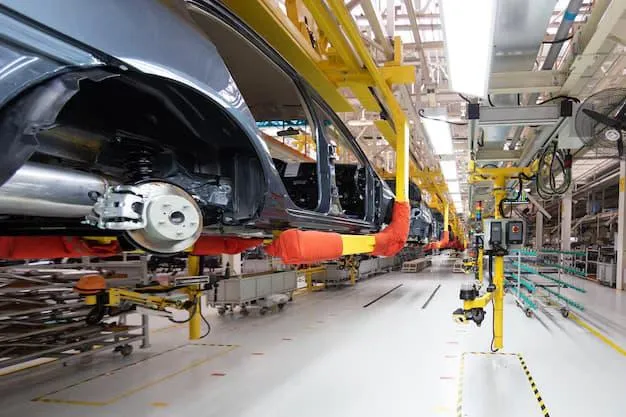
Innovative manufacturing technologies are improving the production of aerospace components and composite structures. Automated systems and precision fabrication methods allow engineers to produce complex aerospace parts with greater accuracy and consistency. These advanced processes help reduce manufacturing errors while improving production speed and quality standards. Automation also supports more efficient use of materials and resources throughout aerospace manufacturing operations.
Additive manufacturing technologies such as three dimensional printing are becoming increasingly valuable within aerospace development. Engineers use these technologies to create lightweight prototypes, customized components, and complex structural designs that may be difficult to manufacture using traditional methods. Advanced manufacturing processes continue supporting innovation and efficiency within modern aerospace engineering projects.
The Growth of Autonomous Aviation
Unmanned Aerial Systems
Unmanned aerial systems are becoming more important across commercial, industrial, and defense aviation sectors. Aerospace engineers are developing advanced drone technologies that support surveillance, logistics, inspection, and research operations. These systems rely on intelligent software, automated controls, and advanced communication networks to operate safely and efficiently. Autonomous technologies continue expanding the capabilities of unmanned aircraft systems worldwide.
Engineering teams use advanced simulations and testing environments to improve navigation accuracy, flight stability, and operational safety for unmanned aircraft. Improved sensor technologies and artificial intelligence systems allow drones to perform increasingly complex tasks with minimal human involvement. The rapid growth of unmanned aviation continues influencing future aerospace engineering trends and technological advancements.
Urban Air Mobility Solutions
Urban air mobility is emerging as a new area of aerospace innovation focused on developing advanced transportation systems for densely populated cities. Engineers are designing electric vertical takeoff and landing aircraft that support short distance urban transportation with reduced traffic congestion and lower environmental impact. These systems combine electric propulsion technologies with autonomous flight capabilities to create efficient urban mobility solutions.
Urban air mobility projects require extensive research into safety systems, battery technologies, and air traffic management infrastructure. Aerospace engineers continue developing technologies that improve reliability, passenger safety, and operational efficiency for these future transportation systems. The growth of urban air mobility represents an important trend shaping the future of aviation engineering.
Digital Connectivity and Smart Aircraft Systems
Advanced Communication Technologies
Modern aircraft increasingly rely on advanced communication systems to improve operational efficiency, passenger experience, and flight safety. Aerospace engineers are developing smarter communication networks that support real time data sharing between aircraft, ground control systems, and maintenance teams. Improved connectivity allows airlines and operators to monitor aircraft performance continuously and respond more effectively to operational issues.
Engineering organizations are also integrating cloud based systems and intelligent monitoring technologies into modern aviation platforms. These systems improve navigation accuracy, weather monitoring, and maintenance planning across aerospace operations. Advanced communication technologies continue enhancing the efficiency and reliability of modern aircraft systems.
Predictive Maintenance Systems
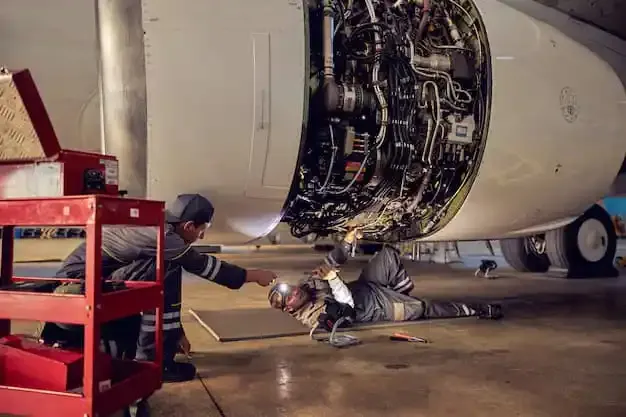
Predictive maintenance technologies are transforming how aircraft maintenance is managed within the aerospace industry. Advanced sensors and intelligent software systems collect operational data from aircraft components and analyze performance trends continuously. Engineers use this information to detect early signs of wear or system failures before operational problems occur. Predictive maintenance improves aircraft reliability while reducing unexpected downtime and repair costs.
Artificial intelligence and machine learning technologies further improve maintenance planning by identifying patterns and predicting component performance more accurately. These systems help airlines and aviation organizations improve operational efficiency while maintaining high safety standards. Predictive maintenance has become an important innovation within modern aerospace engineering practices.
Conclusion
The aerospace industry continues evolving through rapid advancements in digital engineering, sustainable technologies, autonomous aviation, and intelligent manufacturing systems. Emerging trends such as artificial intelligence, electric propulsion, advanced composites, and predictive maintenance are transforming how aircraft are designed, produced, and operated across the aviation sector. These innovations improve efficiency, safety, sustainability, and operational performance while supporting the future growth of global aviation. Aerospace engineering will remain at the center of technological progress as the industry adapts to new challenges and opportunities.
Organizations such as Swift Engineering Inc continue contributing to aerospace innovation through advanced engineering expertise, modern aviation technologies, and a commitment to high quality aerospace solutions.


























Sign in to leave a comment.